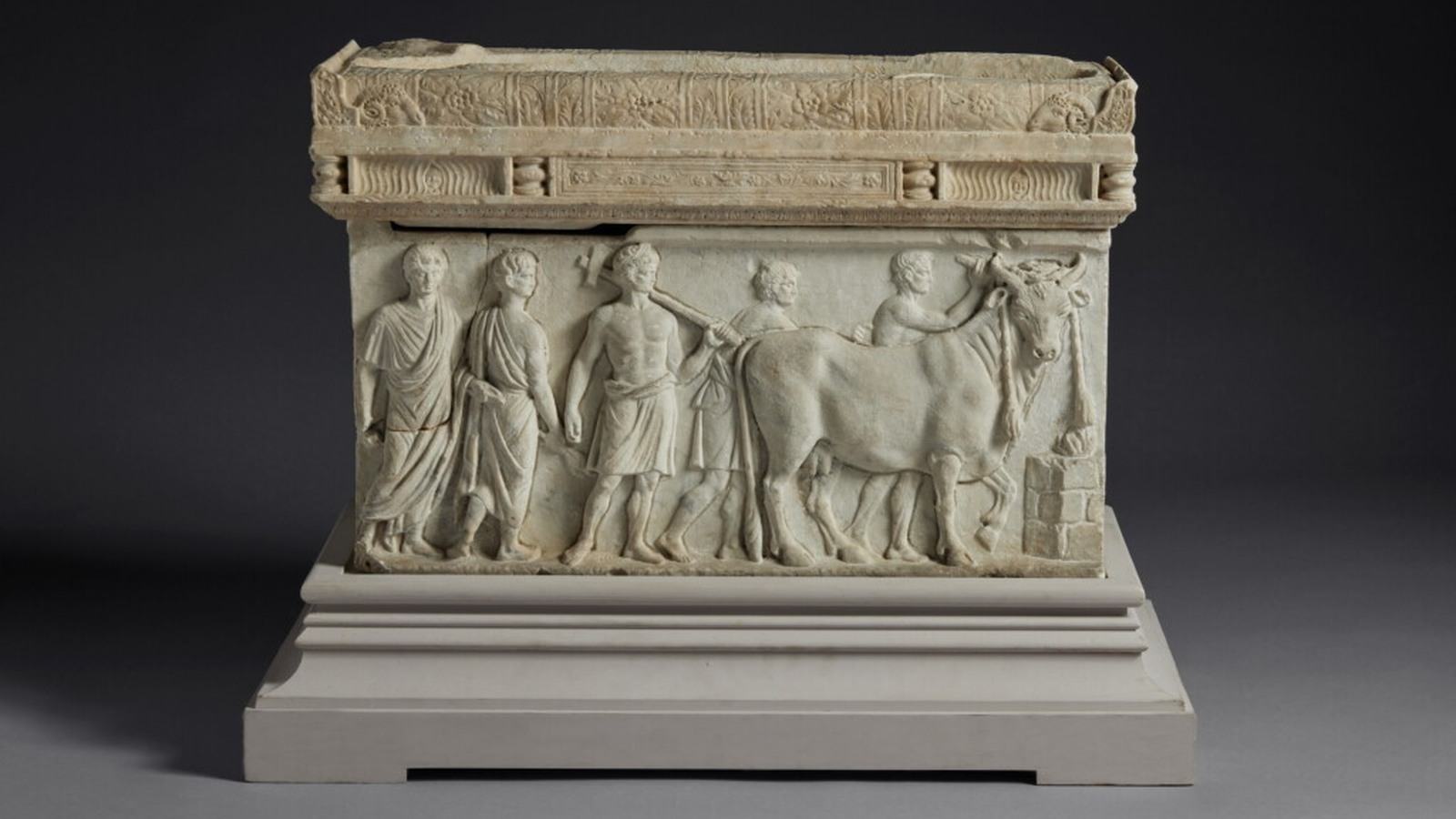
Sotheby's is presenting Magnum Opus | Act II: Figure & Form as part of a large New York collection dispersal, with the online chapter scheduled to close on 22 October 2026. The catalogue contains 127 results and includes ancient works such as an Apulian red-figured rhyton dated to approximately 330–
The historical and commercial context
Sotheby's is presenting Magnum Opus | Act II: Figure & Form as part of a large New York collection dispersal, with the online chapter scheduled to close on 22 October 2026. The catalogue contains 127 results and includes ancient works such as an Apulian red-figured rhyton dated to approximately 330–310 BC. Its focus on bodily form connects objects made across very different periods and traditions.
The Figure & Form chapter draws together 127 catalogue entries across periods, making the human or symbolic figure an organising idea rather than a shared origin. The Apulian rhyton cited among the opening lots belongs to a very different historical context from later European figural sculpture.
Materials, technique and originality
A Greek ceramic rhyton was created within a distinct historical culture with uses and meanings not interchangeable with those of modern sculpture. Careful study of shape, painted decoration and manufacturing process can reveal valuable historical information. Collectors must avoid treating culturally significant antiquities as mere decorative accessories.
A rhyton's unusual vessel form connects functional design with imagery and social practices of antiquity. Evaluating such an object requires familiarity with ancient production techniques, archaeological scholarship and the reliability of associated documentation.
Specialist diligence for collectors
The legal history of an antiquity is central to acquisition. Buyers should examine documented provenance, relevant export permissions and any restrictions established by source countries or international conventions. A visually convincing object with incomplete ownership history may present risks that substantially outweigh its immediate aesthetic attraction.
Antiquities markets present distinctive questions about when an object left its place of origin and how it moved between collections. Legal paperwork, publication history and independent provenance research can be decisive in determining whether acquisition is appropriate.
Displaying valuable objects responsibly
Figural sculpture also raises questions about physical placement and conservation. Different materials such as ceramic, marble or bronze respond differently to humidity, vibration and inappropriate cleaning. A qualified conservator can help establish a safe display method appropriate to the actual object, particularly in a coastal residence.
Fragile ceramics can be damaged by an unstable shelf, unsuitable mount or vibrations caused by nearby circulation. Conservators should assess historic joins and restorations before selecting an exhibition approach within a private home.
The international collecting setting
Bringing objects of different eras into a single sale encourages comparisons across centuries while also demanding historical precision. A Roman marble figure cannot be understood only by comparison with a nineteenth-century European bronze. Scholarship should identify what is known and what remains uncertain about origin, function and later changes.
Unlike contemporary art fairs, an antiquities collection can bring together objects whose cultural significance predates modern ideas of individual artistic authorship. Buyers must account for the history and rights attached to cultural heritage, not merely the appeal of a decorative figure.
What buyers should establish
The title Figure & Form provides a collecting lens rather than a uniform investment category. Final transaction results will depend on the individual lots and demand at closing, while responsible ownership requires long-term documentation and preservation. For a sophisticated collector, that obligation is inseparable from the pleasure of acquiring exceptional objects.
An acquisition from the 22 October closing should leave the collector with records that will be meaningful decades from now. That includes images of the object before transport, conservation notes and the written trail establishing lawful ownership.