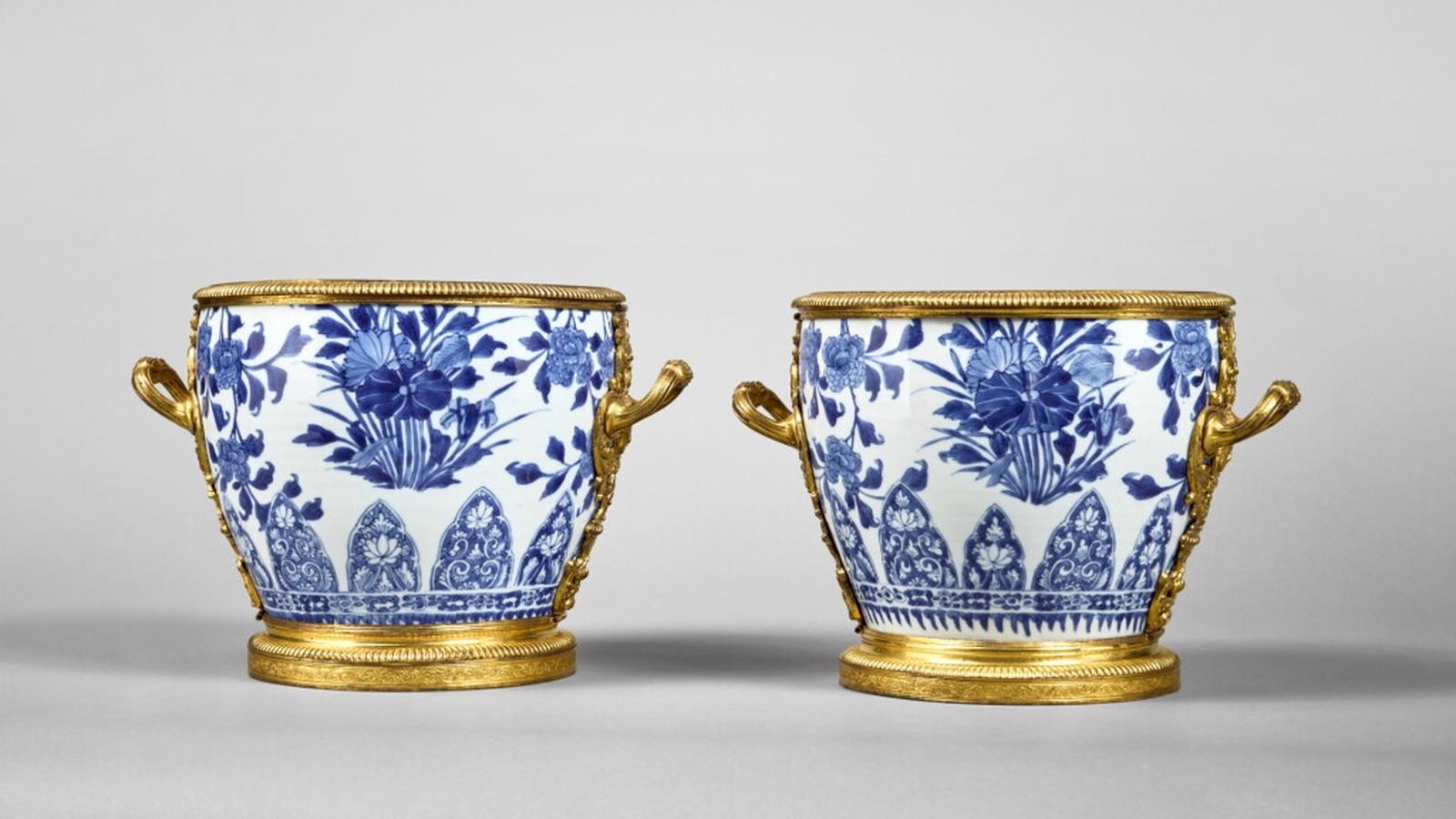
Sotheby's has scheduled Magnum Opus | Act IV: Ornament & Texture to close on 23 October 2026, concluding a sequence of themed New York online sales from an exceptional private collection. The catalogue shows 268 results, opening with a Japanese blue-and-white octagonal vase. The larger selection exp
The historical and commercial context
Sotheby's has scheduled Magnum Opus | Act IV: Ornament & Texture to close on 23 October 2026, concluding a sequence of themed New York online sales from an exceptional private collection. The catalogue shows 268 results, opening with a Japanese blue-and-white octagonal vase. The larger selection explores surface, pattern and craftsmanship rather than concentrating on one narrow category of object.
The Ornament & Texture chapter is the largest of these themed online sections, showing 268 catalogue entries. A Japanese blue-and-white octagonal vase is among the opening lots, setting an emphasis on shape and surface that extends to other decorative traditions.
Materials, technique and originality
Blue-and-white ceramics reflect important exchanges between materials, technology and visual culture across Asia and beyond. A Japanese vase must be studied within its own production history instead of automatically assigned to Chinese traditions because of its palette. Shape, glaze, painted marks and the way an object was fired all assist expert evaluation.
Blue-and-white ceramic production developed in several countries with different kiln practices and aesthetic conventions. Correct attribution depends on glaze, body, decoration and documentary comparison, not just the visual similarity of one blue pigment on a pale ground.
Specialist diligence for collectors
Surface decoration can be particularly vulnerable to aggressive restoration or unsuitable cleaning. Conservation reports should distinguish stable age-related changes from more serious damage, including cracks, repaired breaks or losses of glaze. Professional photography is helpful but may hide structural weaknesses visible only during careful inspection.
A historic ceramic may carry repairs around a rim, base or handle that are difficult to recognise in ordinary catalogue photographs. A conservator can assess whether these changes threaten stability and how they should be recorded for future owners.
Displaying valuable objects responsibly
The theme of texture extends beyond ceramic glazes to carved, woven and cast materials. Collectors interested in historic design often build relationships between objects from different cultures, but this requires close attention to context. It is inappropriate to detach a sacred or historically sensitive piece from its provenance simply to complete a visual display.
Large decorative objects often look most successful when displayed with enough space to appreciate their outline. A secure plinth or case should be integrated into the architecture without requiring direct contact with a fragile historic glaze.
The international collecting setting
In a contemporary residence, a strong decorative object can serve as a focal point without requiring every item in the room to match its style. Properly scaled plinths, secure display cases and controlled lighting are especially important for fragile pieces. Coastal homes and yachts may require additional humidity control and protection from movement.
The range of the catalogue encourages consideration of craftsmanship across cultures, but each object should be understood on its own terms. A Japanese ceramic and a European carved object may share decorative complexity while carrying very different historical meanings.
What buyers should establish
With 268 catalogue results, the final chapter offers a broad collecting exercise rather than a single headline purchase. Estimates and preview photography are only the beginning of valuation research. Buyers should consider authenticity, export rules, insurance and maintenance before deciding what they are prepared to pay.
The 23 October close will complete this section of the collection sale, leaving purchasers responsible for transport and preservation. A beautiful surface can survive generations when those practical obligations receive as much care as the initial purchase.