A private collector's 900-plus objects range from ancient marble to royal furniture, with over 600 works heading to four Sotheby's sales in October.
A collection organised by curiosity rather than a single period
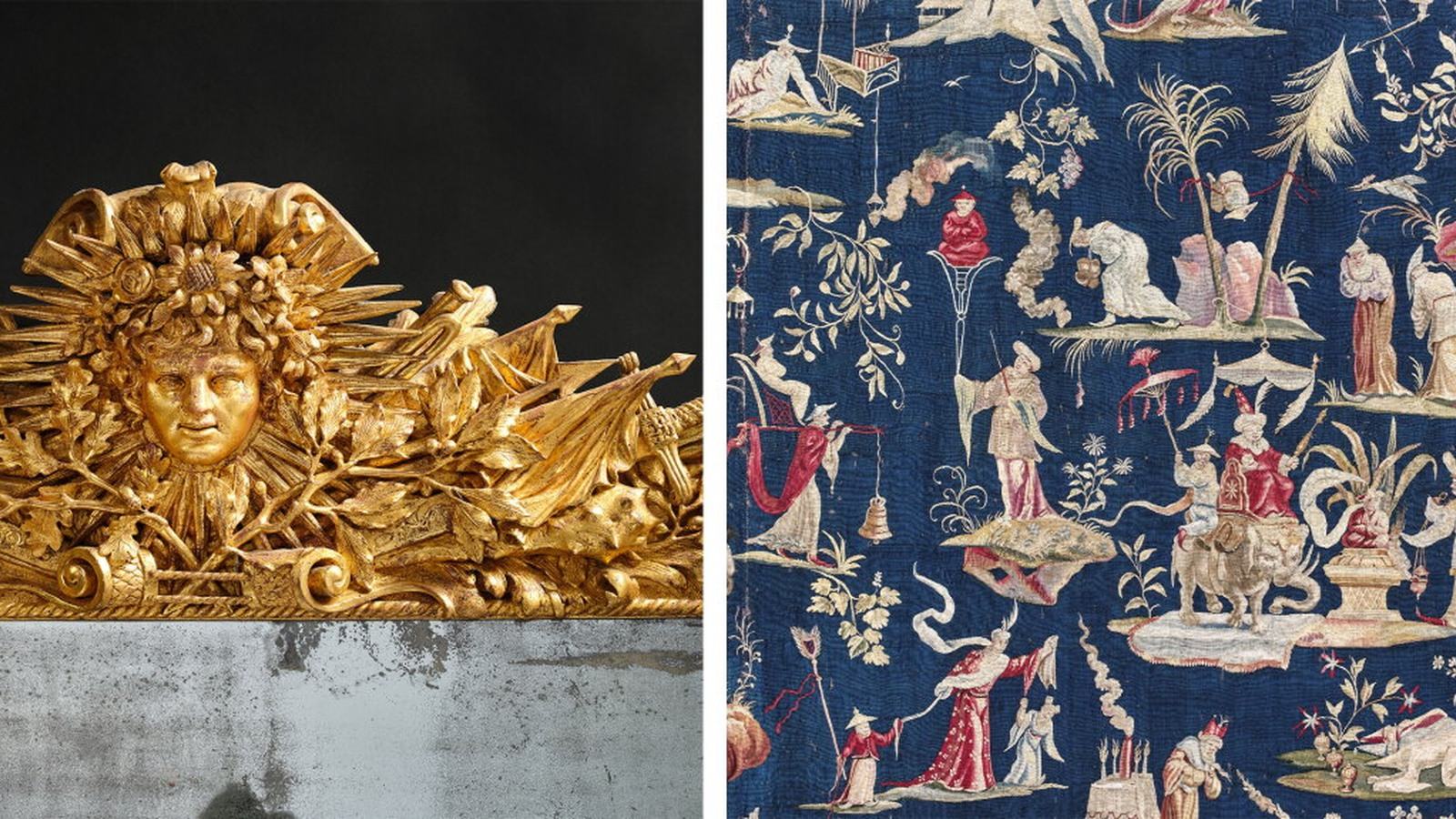
Magnum Opus is an unusual single-owner collection because it crosses geographical borders and centuries of making. Sotheby's describes more than 900 works assembled over decades, from classical Roman sculpture to Old Masters, Islamic carpets, royal French furniture and twentieth-century design. More than 600 objects will enter four dedicated New York auctions, expected collectively to realise over $60 million.
This is not simply the story of a substantial commercial consignment. Its owner made connections between the human body, material and decorative form that do not respect conventional collecting categories. The dispersal allows scholars and potential buyers to consider those choices together before the objects pass into different hands.
Roman marble provides the most closely watched lot
The evening auction on 21 October will feature a first-century Roman marble torso of an emperor from the Julio-Claudian period, with an estimate of $8 million to $12 million. Another ancient work, a portrait head of a girl associated with the Augustan period, is estimated at $2.5 million to $3.5 million. Their age and sculptural ambition make questions of condition and recorded provenance especially important.
A prospective buyer needs more than an impressive estimate and a striking photograph. Historical movement between countries, evidence of previous ownership, repair history and applicable cultural-property rules can determine whether a purchase is legally and intellectually sound. An auction estimate is not an independently achieved market price or a promise that the work will sell.
The Old Masters invite another kind of close looking
A complex still life by Spanish painter Luis Meléndez carries an estimate of $4 million to $6 million. Its arrangement of oranges, nuts, spices and vessels asks viewers to examine everyday objects with an intensity similar to that given to the human figure in ancient sculpture. Furniture attributed to Georges Jacob and other decorative arts broaden the comparison into cabinetmaking, gilding and courtly interiors.
For a collector of objects rather than a single art movement, this variety can be meaningful. A painting may be assessed through pigment, condition and attribution; a chair requires examination of carving, original surfaces and replacement upholstery. Different forms of research are needed to understand the craftsmanship behind each lot.
The Breuer will show the collection as a coherent whole
Sotheby's plans a public exhibition at the Breuer in New York from 17 to 22 October, with objects displayed across four floors. That is a distinctive opportunity because the experience of the collection as a whole will disappear when the sales distribute works among new owners. The evening auction begins on 21 October, followed by three thematic day sessions around form, light and surface.
Visitors who are not bidders will be able to encounter significant works together, while potential buyers can examine scale and material more directly than through a digital catalogue. Gallery viewing is valuable but does not replace a condition report or specialist inspection when the object is expensive, fragile or subject to unusual ownership documentation.
The eventual prices will not tell the entire story
When a private collection is dispersed, objects may enter other private houses, public institutions or long-term storage. The outcome will change who can study them and the context in which they are displayed. Sotheby's has announced the auction estimates and dates, but no sale results can be reported before the October auctions take place.
The strongest feature of Magnum Opus is its owner's ability to bring seemingly incompatible objects into a connected personal vision. Market observers will study which categories attract the strongest bidding, but the public exhibition may provide the most complete understanding of that vision before the works separate.
Source
Sotheby's