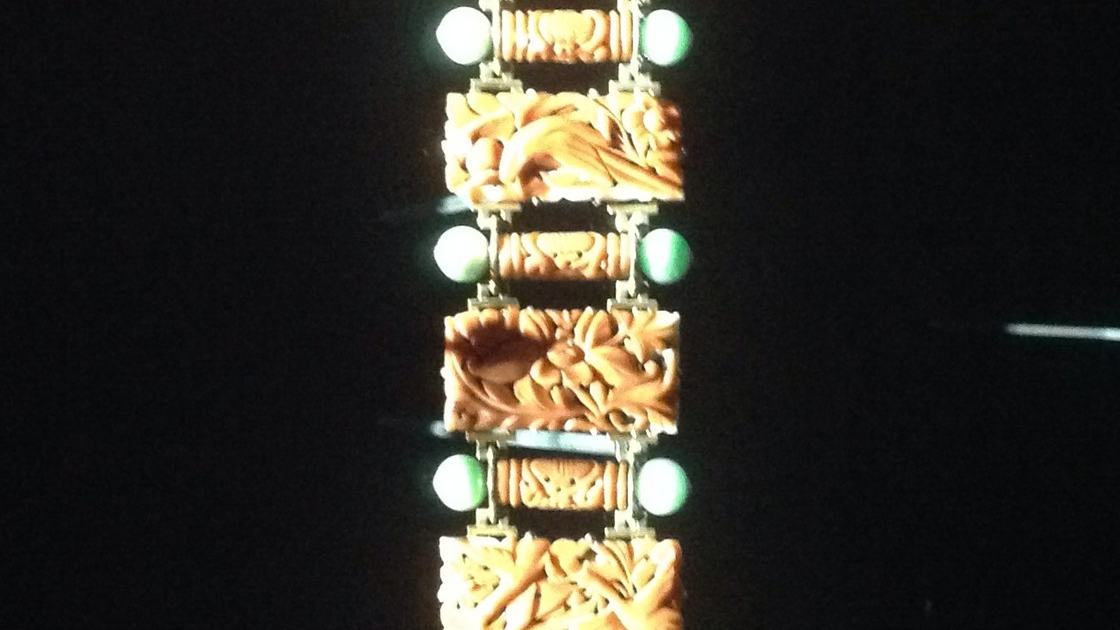
Sotheby’s Milan online sale runs through 28 October, with highlighted Art Deco jewellery and watches ranging from sapphire-set pieces to early Cartier design.
Sotheby’s Milan jewellery sale remains open
Sotheby’s is running its online Fine Jewelry and Watches auction in Milan from 14 to 28 October 2026, placing vintage precious objects and watches before collectors worldwide. A selection of Art Deco pieces gives the event a particular identity: the sale is not simply about large gemstones but also about the distinctive geometry, workmanship and adaptable design of the interwar years.
The auction house’s 16 October editorial selection identifies five groups worth examining, including a sapphire ring, an elaborate diamond bracelet, convertible brooches and two contrasting watches. The descriptions and prices quoted here are presale catalogue information, not hammer prices, and bidders should consult the original condition reports before making a decision.
Sapphire and diamonds in architectural form
One highlighted ring is set with a cushion-shaped sapphire, complemented by single-cut diamonds and calibrated sapphires. Its presale estimate is €5,500–€6,500, a guide to the auctioneer’s expectations rather than a promise of what the object will cost once competitive bidding, fees and applicable taxes are taken into account.
The appeal of this design lies in its repeated shapes and carefully controlled colour, features that distinguish original Art Deco work from jewellery that merely adopts an old-fashioned label. For a collector, the gem’s documented treatment, setting, construction and any subsequent repairs should matter as much as its appearance in a published photograph.
A French bracelet from around 1920
Sotheby’s also features a wide French-made 18-carat gold bracelet dating to around 1920, set with old-cut diamonds and carrying a €8,000–€12,000 estimate. The alternating geometry and substantial construction illustrate the bold style that made jewellery an integral part of the period’s architectural and decorative imagination.
The age and cut of diamonds influence how light appears across such a bracelet, while its joinery and fastening determine whether it is comfortable and secure to wear. A prospective buyer should read the catalogue’s statements on the metal and stones closely and should not infer modern certification standards from the mere fact of an auction estimate.
Brooches designed to change with the wearer
A paired lot brings together an onyx, emerald and diamond brooch with a diamond double-clip brooch, estimated at €5,000–€6,500. The latter’s form can be separated into two pieces, demonstrating the flexible jewellery construction that was fashionable among collectors during the Art Deco years.
The contrasting black, green and white stones create a deliberate graphic effect rather than an impression of decoration added at random. Convertible pieces deserve careful inspection because the clips, catches and original fittings are part of the object’s identity, and replacements may affect condition, wearability and collector interest.
A Recta watch as decorative object
The selected watches include an enamelled yellow-gold Recta wristwatch dated to about 1920, with a presale estimate of €1,000–€3,000. The dial and case show why some period watches work as jewellery first and timekeepers second: enamel, metal finish and scale all contribute to the object’s visual impact.
Mechanical condition remains a separate question from artistic merit, particularly for a century-old watch that might have received servicing or replacement parts. Anyone buying to wear it regularly should seek guidance on the movement, water resistance, available spares and the limitations that vintage construction imposes.
Cartier’s quieter Art Deco wristwatch
The fifth example is a yellow-gold Cartier wristwatch dating to around 1930, also estimated at €1,000–€3,000. Sotheby’s draws attention to its guilloché dial and polished case, which present the vocabulary of period Cartier design in a shape different from today’s most familiar retail models.
A Cartier signature alone should never replace due diligence about age, authenticity, originality and service history. Antique watches may appeal as design objects to collectors of jewellery and modern art alike, but the catalogue description and independent inspection should guide the decision more firmly than brand recognition.
What buyers should look beyond
Art Deco broadly describes design developments from the years between the world wars, but auction objects do not all share an identical date, provenance or level of preservation. Some jewellery has been remodelled for changing tastes, while watches can contain components introduced during later repairs or restoration.
For collectors following the Milan sale from elsewhere, online access makes it possible to review lots before the 28 October close, yet high-resolution imagery cannot replace every physical examination. Buyers should calculate currency conversion, buyer’s premium, potential import obligations and shipping insurance before setting a final bidding limit.
A useful window on collecting rather than retail
The wider interest of the selection is that it shows historical jewellery occupying the same luxury market as contemporary watches, bags and fine art, but with different verification demands. A privately owned collection or a yacht-based lifestyle can create opportunities to wear special pieces, although careful storage, inventory records and insurance remain essential.
The auction’s official editorial overview and Milan catalogue are the primary references for details and current availability. The accompanying photograph is an illustrative 1925 Art Deco bracelet at the Museum of Decorative Arts, photographed by SiefkinDR under CC BY-SA 4.0; it is resized and is not presented as a Sotheby’s lot.
