Sotheby’s has brought printmaking and photography into a coordinated New York auction programme, led by Prints & Photographs Part I on 8 October 2026. Separate online sales for Prints Part II and Photographs Part II were scheduled to close on 9 October, giving collectors access t
A cross-category collecting week
Sotheby’s has brought printmaking and photography into a coordinated New York auction programme, led by Prints & Photographs Part I on 8 October 2026. Separate online sales for Prints Part II and Photographs Part II were scheduled to close on 9 October, giving collectors access to works across media and different price segments. The auction house presented selections at Sotheby’s Breuer alongside other contemporary art offerings.
The sale is relevant to collectors who appreciate the artistic and technical distinctions between a unique painting, an editioned print and a photographic print. Editions may offer access to major artistic ideas in a different format, yet scarcity, printing quality and history can still produce substantial differences in market interest. The announcement does not supply a universal value benchmark across these categories.
Printmaking as an original artistic medium
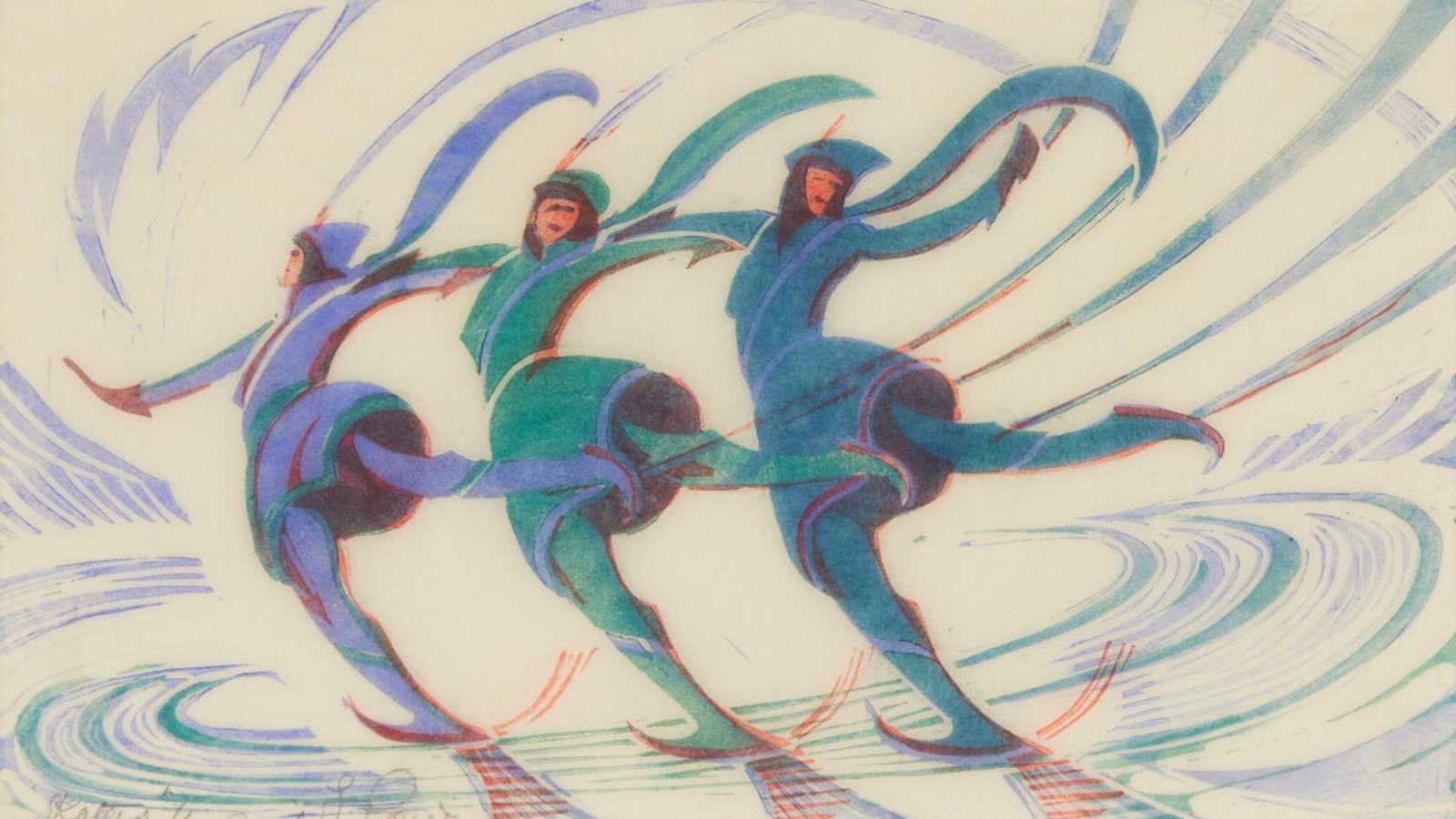
A fine-art print is not necessarily a reproduction of another work. Etching, lithography, woodcut and screenprinting allow artists to work directly with the processes that shape an image, often producing results unavailable in painting or drawing. The physical texture of paper, ink and plate marks can be central to the object’s appearance.
Collectors need to understand the edition structure and whether an impression belongs to a regular edition, an artist’s proof or another authorised state. Changes in printing sequence can matter, as can the presence of a signature or the documented role of the artist in production. Condition and authenticity should be evaluated at the level of the individual impression.
Photography and its complicated editions
Photographs may be offered as vintage prints made close to the date of the negative, or as later prints produced or authorised under different circumstances. Those distinctions can have a major effect on value and historical significance. The negative, subject and photographer's name are only part of the object’s identity; the actual print must be assessed.
Conservation requirements differ according to process and materials. Light, humidity, mounting and historic retouching can affect stability, while changes in printing technique can produce visually different results from the same underlying image. Collectors displaying photography aboard a yacht should be particularly alert to ultraviolet light and environmental variation.
Viewing at the Breuer
A physical exhibition offers a chance to compare paper surfaces and the scale of works that can be misleading in digital photographs. Buyers can study the visual relationship between individual objects and assess how an editioned work fits an existing collection. Appointments with auction specialists may also clarify details that do not fit within a short online description.
The Sotheby’s Breuer setting provides a cultural context for the sales during a busy New York collecting season. It should not be confused with a guarantee of museum endorsement or a condition certification. The responsibility for examining the lot and understanding the auction terms remains with prospective purchasers.
Collection planning and acquisition discipline
A coherent collection can include photographs, prints and unique works if their subjects and historical relationships support one another. Some private collectors choose to explore an artistic movement through several media, while others focus on technical processes or individual photographers. Clearly written acquisition principles help owners avoid buying exclusively in response to bidding excitement.
Before participating, collectors should review estimates, premiums, tax exposure, shipping and storage. After acquisition, provenance documents, edition information and conservation records should be entered into a secure catalogue. The October programme shows the continuing relevance of prints and photographs within sophisticated collecting, with final results requiring confirmation from the auction house after the sales.