Sotheby's prepares Pauline Karpidas's New York jewellery collection sale for 8 December, with JAR designs and major Cartier and Chanel pieces among the named highlights.
High-jewellery collecting, 12 November 2026. The 8 December sale is forthcoming. The catalogue identifies specific makers and estimates, not achieved prices or guaranteed future market values.
A distinctive collector's jewellery reaches auction Sotheby's has announced a New York auction dedicated to jewellery from the collection of Pauline Karpidas, scheduled for 8 December 2026. The catalogue presents a highly individual range of pieces by makers including JAR, Cartier, Chanel, Boucheron, Verdura, Suzanne Belperron and Seaman Schepps. Rather than concentrating exclusively on diamonds ranked by carat weight, the selection illustrates jewellery as a medium for sculptural design, unusual colour combinations and personal expression. For high-net-worth buyers, that variety can be more intellectually compelling than a collection organised only around the largest stones. The sale also invites consideration of how a private collector develops a recognisable taste over time. A named provenance may add context, but it should not replace careful study of the individual objects. These pieces remain prospective lots; no sale totals or winning bids are known from the advance catalogue.
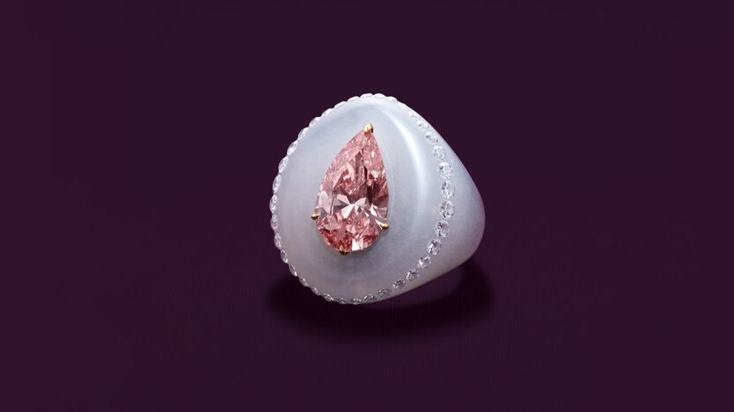
JAR occupies a special position in modern jewellery The Paris-based maker JAR is recognised for idiosyncratic designs and an exceptionally individual approach to materials, form and colour. Sotheby's catalogue identifies several pieces, including a sapphire ring and a diamond-and-basalt ring. The latter is assigned an estimate of $450,000 to $650,000, while a sapphire ring carries a range of $300,000 to $500,000. The use of a material such as basalt within fine jewellery highlights the importance of design rather than intrinsic gemstone value alone. The question for a buyer is what makes the composition successful, whether the piece retains its intended form and how it relates to the maker's wider practice. Authentication and provenance are especially important for distinctive studio work. A catalogue description is a starting point; serious buyers should request any available supporting records and a detailed condition report.
Cartier supplies several different historical directions The collection includes pieces associated with Cartier, among them an emerald, ruby, diamond and pearl Tutti Frutti clip-brooch and emerald-and-diamond jewellery. A Tutti Frutti piece is significant not merely for its gemstones but for the combination of colour and design associated with the maison's history. The sale listing gives an estimate of $150,000 to $250,000 for the clip-brooch. Other Cartier lots feature different materials and settings, illustrating the danger of reducing an entire maker's output to one immediately recognisable style. For a serious collector, the period, originality and workmanship of a piece can matter as much as the brand name. It is wise to examine hallmarks, design records, treatment disclosures and the nature of any restoration. A signed jewel should be judged as a particular object, not a generic product from a famous house.
Belperron and Verdura reward close attention Suzanne Belperron and Verdura represent distinct strands of twentieth-century jewellery design, both present in the Karpidas catalogue. The objects listed include a Belperron aquamarine-and-diamond necklace-brooch combination and a Verdura amethyst-and-diamond clip-brooch with matching earclips. Such pieces demonstrate how unusual stone combinations, multifunctional forms and bold silhouettes can become defining attributes of a designer's work. A collector should establish whether a set is original, assembled later or altered over time. The functionality of mechanisms can also matter in jewellery that converts between uses. Any restoration may affect both appearance and historical authenticity. For an owner who intends to wear the pieces, comfort and security of the settings deserve attention alongside visual appeal. The appeal of distinctive design is strongest when it is supported by careful documentation.
The Chanel cuff shows a different approach A gold, enamel and coloured-stone cuff-bracelet by Chanel is among the published highlights, with an estimate of $80,000 to $120,000. A substantial cuff is a different collecting proposition from a delicate diamond ring: it interacts with the wrist as a sculptural object, and its condition may depend on how it has been worn and stored. Enamel can be sensitive to impact and may be difficult to restore without changing its character. A buyer should examine the interior, edges and closures as closely as the decorated exterior. The presence of a celebrated fashion-house name does not eliminate questions of period or authenticity, especially for designs that may be reproduced or reinterpreted. A sophisticated collector will look beyond the immediately impressive silhouette to determine whether the specific cuff is a strong and well-preserved example.
The range of materials makes conservation complex The catalogue's variety extends from gold and gemstones to rock crystal, enamel and less conventional materials. Each presents different maintenance requirements. Some stones can be affected by ultrasonic cleaning or exposure to chemicals, while enamel may suffer from cracking and certain organic materials can respond to environmental change. A collector with pieces by many makers should maintain a record of care guidance for each object rather than apply a universal cleaning routine. Historical settings and unusual mechanisms may require specialist attention. Insurance photographs should capture the condition of fragile components before a piece is worn or loaned. If jewellery is moved between residences or taken on international journeys, a secure custody and transport plan is advisable. The convenience of portability should not obscure the responsibility to preserve intricate workmanship.
Personal taste is visible in a collection The Karpidas sale illustrates an approach to jewellery built around visual individuality rather than a single market category. Pieces by JAR, Cartier, Belperron and Chanel need not share a style to reflect coherent taste. A collector may be drawn to how designers handle form, colour and texture, or to the changing role of jewellery as wearable art. The most successful private holdings often gain interest through these relationships. A family member or future curator may want to understand why two apparently different objects were acquired together. Keeping correspondence, purchase records and notes on the collector's interests can help preserve that context. When a collection is dispersed, a catalogue can become an important historical record. Its value is not limited to the auction outcome; it can document a person's choices over decades.
Auction estimates and market reality differ The published estimates range widely among the highlighted pieces, reflecting differences in materials, maker, condition and demand. These figures are not equivalent to offers to buy the same jewellery back at a later date. A collector should allow for the buyer's premium, tax and transport costs and establish whether an item is subject to export or wildlife-material restrictions. Gemological certificates may help clarify the characteristics of significant stones, but they should be read carefully. Rare signed jewellery can attract intense competition, yet there is no guarantee that every item will exceed its estimate or be easy to resell. Purchases for personal enjoyment may be entirely rational, provided the owner understands the financial and practical implications. Connoisseurship is more durable when it is not confused with a promise of investment returns.
The December timing offers preparation opportunities The auction is scheduled for 8 December in New York, providing time for prospective buyers to examine the catalogue and arrange viewings as appropriate. Not every lot will require the same level of investigation, but exceptional signed pieces may warrant detailed questions about provenance, condition and any previous alterations. Buyers planning to bid remotely should verify their registration, bidding limits and payment arrangements early. International clients should consider time zones and any restrictions on shipping unusual materials or high-value jewellery. A family office may wish to coordinate valuation, insurance and ownership arrangements before the auction rather than after a successful bid. These tasks are not glamorous, yet they can determine whether a substantial acquisition is straightforward or unexpectedly complicated.
Jewellery collections often become family histories Rare jewellery can carry personal memories that are not visible in its market description. The identity of a previous owner may be recorded, but the occasions on which an object was worn or the reasons for an acquisition are often less well documented. A collector who intends pieces to pass to future generations can benefit from cataloguing that personal history alongside formal provenance. Succession plans may also need to address whether jewellery is held personally, through an entity or in a trust. Some pieces may be best preserved together, while others may be intended for particular heirs. The legal and tax consequences depend on jurisdiction, and professional advice is appropriate. Clear records reduce misunderstandings and help preserve both the material objects and the stories that make them meaningful.
What Sotheby's has confirmed Sotheby's lists Pauline Karpidas: The Jewelry Collection for 8 December 2026 in New York. The catalogue features work by JAR, Cartier, Chanel, Verdura, Boucheron, Belperron, Seaman Schepps and others. Published estimates include $450,000 to $650,000 for a JAR diamond-and-basalt ring and $150,000 to $250,000 for a Cartier Tutti Frutti clip-brooch. The final sale outcomes have not occurred at the time of this report. Collectors should refer to the current lot records for detailed condition, estimates and sale terms. The significance of the offering lies in the chance to study a recognisably individual jewellery collection across many design traditions, with pieces that may attract buyers for craftsmanship and historical interest as well as for rare materials.
Primary source: Sotheby's, Pauline Karpidas: The Jewelry Collection, 8 December 2026.