

Acquera Group Sets Out Integrated Yacht Agency and Crew-Service Strategy
By Stephen Yardley · Edited by Stephen Yardley
Acquera Group's chief strategy officer Alvise Tositti has outlined how the yacht agency specialist is bringing local port services, crew recruitment and technology into a more integrated operating model. Speaking to PressMare in October 202
Acquera Group's chief strategy officer Alvise Tositti has outlined how the yacht agency specialist is bringing local port services, crew recruitment and technology into a more integrated operating model. Speaking to PressMare in October 2026, he argued that international scale only creates value when it preserves immediate contact with people working on yachts.
Founded in 2018, Acquera now operates across 25 countries and has recently strengthened its presence in Malta and Istanbul. The Malta expansion involved a joint venture with Mariner Shipping, while the Istanbul office positions the group near the Pendik shipbuilding community and Viaport Marina.
The group's acquisition of a majority stake in UK recruitment company Wilsonhalligan broadens its relationship with captains, engineers, pursers, chefs and other onboard specialists. Recruitment now sits alongside the port assistance that yacht agencies provide during cruising seasons, potentially extending the relationship before and after an individual port call.
The practical challenge is coordination because crew recruitment, provisioning, customs support and local logistics are different services with distinct professional responsibilities. When several are sourced through one organisation, yacht managers still need transparent prices, clear service scopes and named accountable contacts for time-sensitive work.
Tositti stressed that local operations are not supposed to disappear behind centralised administration, even as Acquera extends its footprint. Regional experience matters when procedures for visas, berthing, customs, transport and shore-side contractors vary between destinations and sometimes change at short notice.
Scale can give a provider common digital systems and wider supplier relationships, but reliability ultimately depends on people who know the local port and can resolve practical problems. Captains judging agency performance should consider response times, escalation routes and documentation rather than counting office locations alone.
Acquera describes technology as a means of improving continuity of service and the accessibility of reliable information. Tositti also identified data security as a threshold consideration for artificial intelligence, saying that introducing tools without a tangible benefit to the user makes little operational sense.
That distinction is relevant aboard superyachts, where guest movements, crew records and itinerary details can be particularly sensitive. Digital systems need permission controls, accurate records and escalation to human staff when a decision carries legal, immigration or safety consequences.
The Wilsonhalligan investment is presented as an early part of a broader strategy rather than the final form of the business. The group is examining complementary services, while maintaining that any additional service should address a real need rather than expand the catalogue for its own sake.
For owners and yacht managers, the test will be whether integration improves handovers, accountability and overall service consistency during busy cruising programmes. This October 2026 interview offers a strategic update, separate from the earlier announcements of individual acquisitions and office openings.
An integrated agency model can reduce the number of introductions required when a yacht moves between jurisdictions, but it also concentrates responsibility in the organisation coordinating services. A captain needs to know whether individual expenses are passed through at cost, subject to handling fees or bundled into a wider package. Clear purchasing authority and itemised invoicing are important whenever third-party contractors are involved.
The recruitment dimension creates separate responsibilities involving candidate screening, qualifications, references, employment contracts and the handling of sensitive personal information. A yacht manager should expect recruitment records to be treated differently from ordinary port-call documents, with proper access restrictions and retention policies. Bringing these processes under one corporate umbrella can simplify coordination, but it should not blur legal accountability.
Regional port requirements can change quickly, particularly where cruising itineraries involve different customs territories and varying rules for crew movements. Agency teams often serve as an early warning system when clearance procedures or berth availability change, provided their information comes from reliable local contacts. Digital dashboards are useful only if there is a clear process for verifying information before a captain acts.
Integrating recruitment and agency support may also improve continuity when a new engineer or purser joins a vessel in an unfamiliar port. Arrival arrangements, immigration documentation, accommodation and transfer logistics can be planned alongside the employment handover. Those efficiencies are potential benefits of the service design, not measured savings established by the interview.
Yacht owners evaluating an expanded service platform should ask for examples of how cross-border issues are resolved, how suppliers are selected and how conflicts of interest are disclosed. Independent references, escalation contacts and transparent records are particularly useful when the provider is responsible for several workstreams at once.
Acquera's development reflects the broader professionalisation of yacht support, where technical reliability and information quality increasingly shape the guest experience. The underlying demand is longstanding: complex private vessels need competent people, trustworthy local knowledge and clear commercial processes. The current corporate strategy attempts to connect those needs more closely.
Explore
Go deeper into the yachts, companies, events and destinations directly connected to this article.
Continue reading

Acquera Group outlines how its 25-country yacht agency network, Wilsonhalligan recruitment operation and digital tools are being integrated around crew needs.
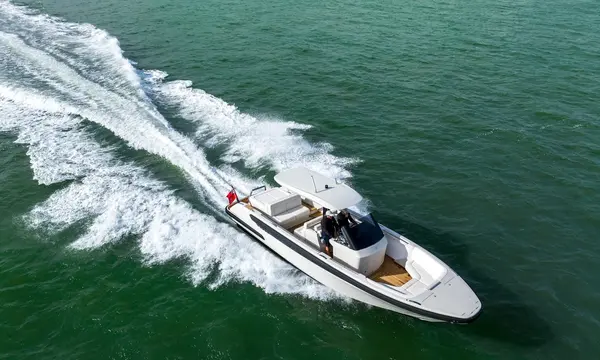
UK-based Super Yacht Tenders has set out a structured crew-familiarisation service covering launch and recovery, close-quarters handling, guest boarding and equipment maintenance aboard the …
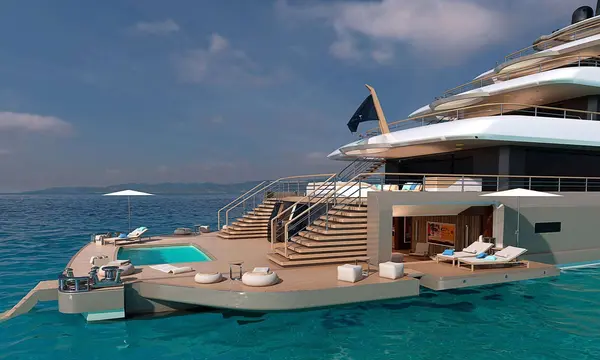
Advanced Mechanical Solutions (AMS) has outlined the development of its engineering and manufacturing operations in Ancona, where bespoke mechanisms for superyacht doors, balconies and …
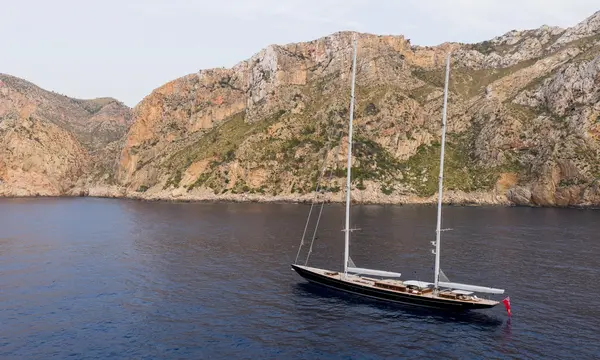
Royal Huisman has published new detail on the 65m AQUARIUS, explaining how returning owners and crew used six years of experience to shape Project …
Superyacht Guide
Continue into the wider Superyacht Guide.
Business opportunities · Superyacht Guide
Companies serving the superyacht market can discuss clearly identified advertising, sponsorship and business-profile opportunities. Commercial activity remains separate from independent editorial coverage.