
Awlgrip expands Gloss Finish Primer from Europe into North America and Asia-Pacific, offering superyacht yards a combined primer and show coat.
Awlgrip has expanded the availability of its Gloss Finish Primer to North America and Asia-Pacific after introducing the two-in-one finishing product in Europe in 2025. The AkzoNobel-owned marine coatings brand says the expansion will give custom superyacht builders, paint contractors and refit yards in both regions access to a system intended to simplify the final stages of surface preparation.
The geographical change is the new development. Gloss Finish Primer itself is not a newly invented product in October 2026, and Awlgrip has already promoted its performance in Europe. Its latest release concerns the commercial reach of an existing product and the opportunity for additional coating teams to use it within a compatible Awlgrip specification.
The system combines the functions normally performed by a finish primer and a separate high-gloss show coat. At the final preparation stage, the reflective surface makes small waves, sanding defects and other imperfections easier to identify before the last decorative topcoat is applied. In principle, removing a separate show-coat pass can reduce masking, mixing, spraying and the time spent waiting for a layer to cure.
That does not make a major yacht fairing programme a single-coat operation. A superyacht exterior may involve numerous preparation, filling, sealing and coating stages, and the final finish still depends on the quality of the layers beneath it. Awlgrip says its product can replace a defined step within its approved system, not every primer or protective layer needed by a given substrate.
A show coat is used as a diagnostic surface, revealing defects that may be hard to see on a dull primer. For an owner expecting crisp reflections along tens of metres of polished hull sides, this inspection step can be essential. The contractor marks imperfections, corrects them and repeats checks before committing to the costly final topcoat.
Combining the diagnostic and primer functions can reduce the number of changes between products, but the method still requires consistent light conditions and experienced inspectors. Photographs alone may not reveal subtle undulations or preparation marks, particularly on curved areas near deck openings, stabiliser installations or complex superstructure shapes. A documented inspection standard remains important.
The manufacturer claims the combined product can deliver up to 50 percent lower volatile organic compound emissions per square metre than a conventional two-step sequence. Awlgrip links that calculation to a higher-solids formulation and the elimination of one application layer. It is an application-stage comparison, not a claim that the entire yacht paint process has half the environmental impact.
Fleet managers should interpret this figure alongside actual material usage, ventilation, waste treatment, delivery requirements and the frequency with which surfaces need repainting. A smaller number of coats can be beneficial, but reliable environmental assessment also considers adhesion, durability and the possibility of rework. Technical and safety data sheets should form part of every supplier evaluation.
James Morton, AkzoNobel's marine and yacht coatings marketing director, describes the move into additional regions as a way to make established European technology available to customers operating internationally. Jemma Lampkin, the company's global commercial director for yacht coatings, points to consistency of access across a widely distributed yacht-building and service industry.
An owner may commission a vessel in one country and undertake substantial repainting elsewhere several years later. A more extensive supplier network can help yards source the same named product and obtain local technical advice, but the practical support available will vary. Operators should verify approved distributors, current formulations and any market-specific application requirements rather than assume every location supplies identical stock immediately.
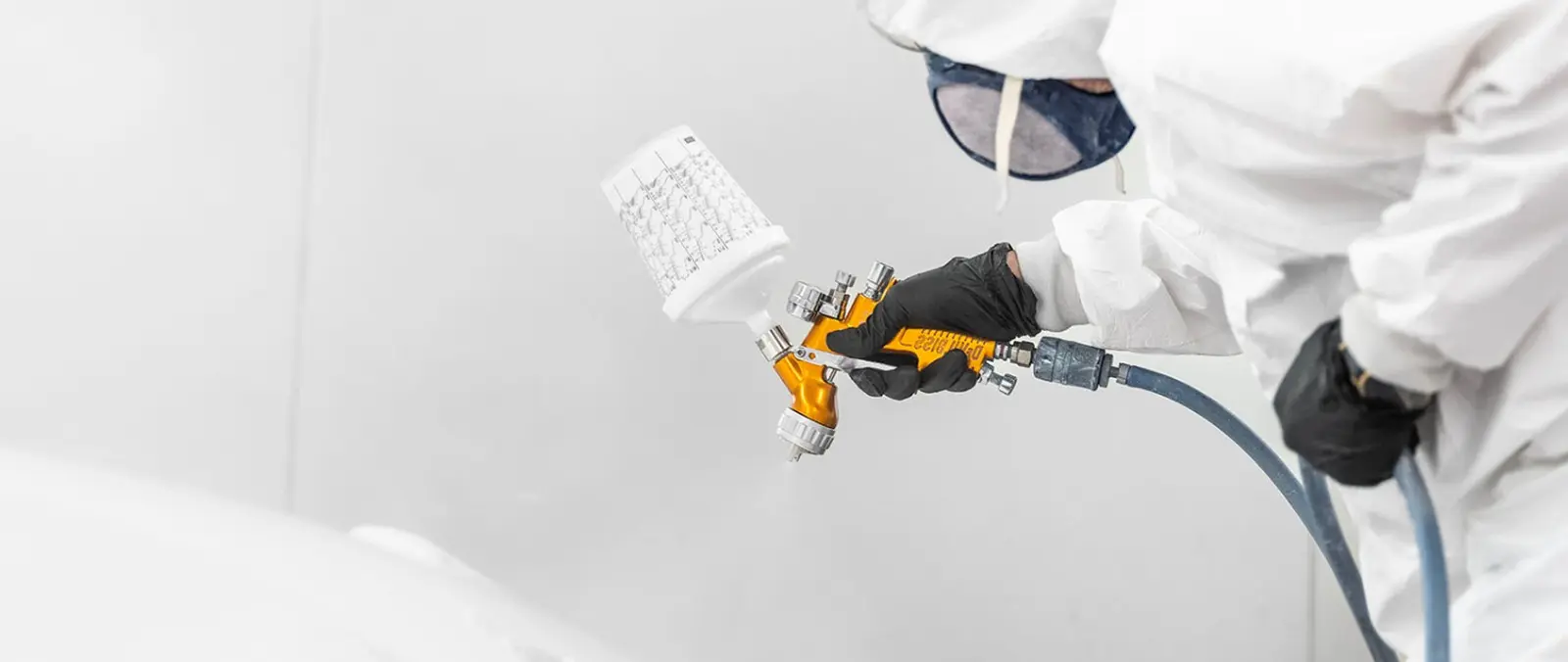
Awlgrip's official case material shows Gloss Finish Primer being sprayed during work on a 27-metre custom yacht in the Netherlands by Excellence Yachtpainting. The photograph illustrates the actual professional application of the product under controlled conditions. That earlier European project is evidence of use, not a photograph of a project in North America or Asia-Pacific.
The company has described process efficiencies from this type of work, but time savings will differ by surface area, paint shed capacity and the existing condition of a hull. A newbuild with carefully controlled substrate preparation is not directly comparable to a refit where hidden defects may be discovered after old layers are stripped back. Both categories are included in the new regional offering.
Before adopting a revised coating schedule, a technical manager should obtain the latest manufacturer-approved system specification, confirm the existing substrate and fairing compatibility, and agree an inspection plan with the applicator. The complete scope should state which individual layer is removed, what product replaces it and how dry-film thickness, recoat intervals and surface preparation will be checked.
Awlgrip's expansion gives yards more choice when planning finishing work across international locations. Its value is potentially lower process complexity without sacrificing the diagnostic stage before topcoat, provided that contractors apply the system correctly. As with all marine coatings, the reported benefits must be tested against the actual project rather than accepted as guaranteed outcomes for every superyacht.
Explore
Go deeper into the yachts, companies, events and destinations directly connected to this article.
Continue reading
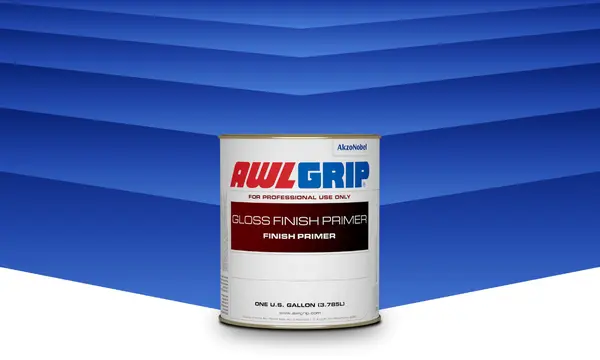
Awlgrip has introduced Gloss Finish Primer for professional yacht new-build and refit work, combining two coating stages to reduce labour, materials and VOC emissions.
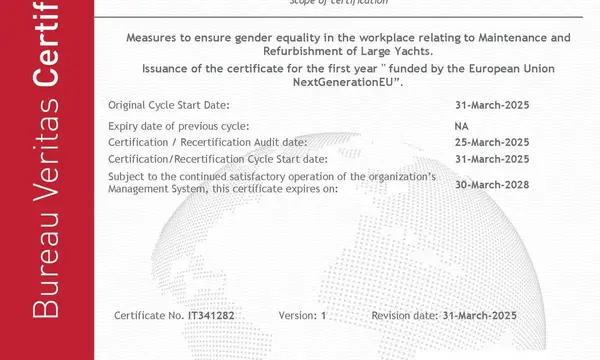
Cantiere Rossini renewed gender-equality certification in April 2026 and reported women in a quarter of its workforce and 40% of operational leadership.
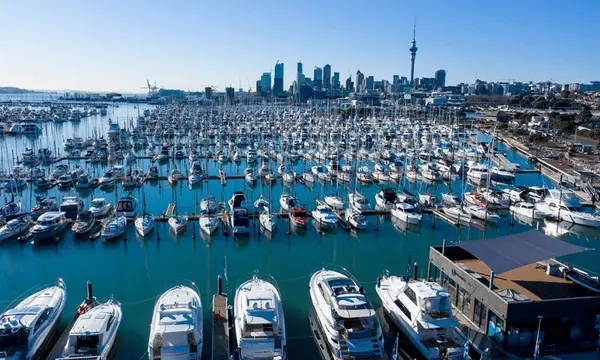
SeaKeepers South Pacific announced a July 2026 partnership with three Auckland Council marinas to widen access to citizen science and conservation programmes.
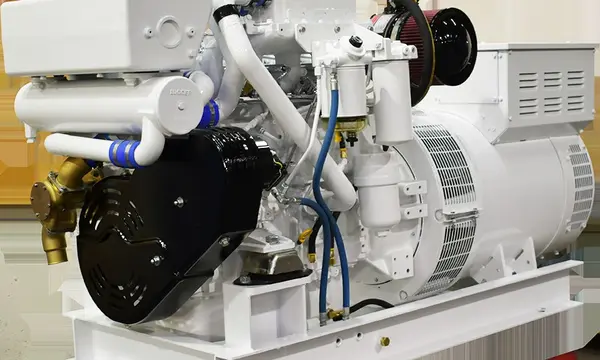
Northern Lights has expanded Diesel Marine NZ’s distributor role to cover marine generators, Lugger engines and Technicold equipment across the South Pacific.
Superyacht Guide
Continue into the wider Superyacht Guide.
Business opportunities · Superyacht Guide
Companies serving the superyacht market can discuss clearly identified advertising, sponsorship and business-profile opportunities. Commercial activity remains separate from independent editorial coverage.