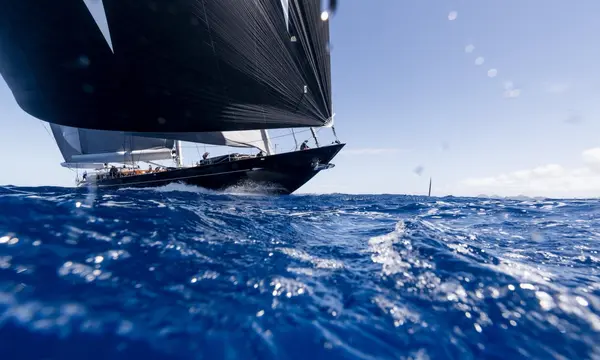
ISS Reveals 2026 Superyacht Design Finalists Ahead of Fort Lauderdale Gala
ISS 2026 Design Awards finalists include Royal Huisman AQUARIUS, Feadship BREAKTHROUGH and Oceanco LEVIATHAN; winners are scheduled to be announced in Fort Lauderdale on …
British Superyacht Forum convenes Y.CO, RWD, Holistic Yacht Interiors and Superyacht Galley Designs in Southampton on 13 October to examine design against the everyday onboard experience.
British Superyacht Forum 2026 has placed a direct question at the centre of its yacht design session in Southampton: is yacht design working against the onboard experience? Scheduled for Tuesday 13 October at the Harbour Hotel & Spa, the panel brings together people involved in building, managing and fitting out luxury yachts.
The organiser announced the discussion on 30 September as part of a wider programme intended to connect British designers, suppliers and superyacht specialists. The session is described as a debate about where aesthetic ambition must make room for practical operation, not a presentation of one new yacht or a vote on particular designers.
Donna Green, head of new-build projects at Y.CO, will moderate the panel. The organiser identifies her practical seagoing background as a reason to examine whether decisions that work in a rendering also serve the captain, crew and guests once the vessel leaves the shipyard.
The announced panel includes Ollie Stacey from RWD, one of the established British yacht-design businesses, alongside Meeli Lepik of Holistic Yacht Interiors and Brennan Dates of Superyacht Galley Designs. Their different disciplines should make it possible to explore the relationship between exterior lines, interior atmosphere and the everyday spaces that support service.
A yacht is a carefully engineered vessel rather than a stationary hotel. A dramatic curved staircase can affect crew routes, concealed lighting can complicate maintenance, and an extensively glazed saloon creates questions about heat load, privacy and cleaning that may be difficult to resolve after construction.
At the same time, sophisticated design has brought genuine benefits. Larger windows, movable terraces and flexible indoor-outdoor spaces can improve guests' connection to the sea, provided the yacht retains appropriate protection, access to technical equipment and practical arrangements for operating in poor conditions.
The organisers have not published the panel's conclusions in advance, so none should be attributed to the named speakers before the session takes place. The interest lies in the issues they are expected to debate and the different professional experience they bring to them.
Some of the strongest design decisions aboard a yacht can be almost invisible. Short, safe service routes between a galley and dining areas, useful equipment storage and sensible access to waste-handling spaces allow crew to support guests without unnecessary disruption.
Galley design is a particularly clear example. The arrangement must work when the yacht moves, when several meals are prepared in rapid succession and when large quantities of ingredients arrive in port. Surfaces, ventilation, refrigeration and the route by which food is delivered all affect the practical value of a visually impressive space.
Interior finishes should also be assessed for maintenance as well as appearance. A natural material might feel warm and luxurious, but the crew needs to know how it behaves under humidity, exposure to salt and the repeated cleaning demanded by a busy charter programme.
Good design therefore need not be opposed to efficiency. It can use knowledge from officers, engineers, interior crew and experienced owners to identify problems before a plan reaches the point where a change becomes expensive.
A significant superyacht involves naval architects, structural and mechanical engineers, interior designers, builders, equipment suppliers and owner representatives. Design development can become costly if those groups work sequentially without addressing access, stability, machinery volumes and service requirements together.
The Forum has framed its discussion around improving collaboration from the first sketches to final delivery. That issue matters especially when guests expect more water-level accommodation, advanced wellness facilities or cinema and communications systems that impose unusual electrical or technical demands.
Professional crews can offer feedback drawn from actual operation, including locations where maintenance is difficult or the flow of people becomes awkward. Bringing such experience into design reviews offers a chance to improve the final yacht without compromising the owner's objectives.
The event is scheduled for 13 October and the article reports its announced programme, not an account of speeches that have already occurred. The accompanying image is the British Superyacht Forum's original official panel announcement artwork, not an invented yacht photograph.
Continue reading
ISS 2026 Design Awards finalists include Royal Huisman AQUARIUS, Feadship BREAKTHROUGH and Oceanco LEVIATHAN; winners are scheduled to be announced in Fort Lauderdale on …

Safe Harbor, Red Sea Global, Cantiere Rossini and marina-engineering specialists will address yacht infrastructure investment at the Amsterdam summit on 18 November 2026.
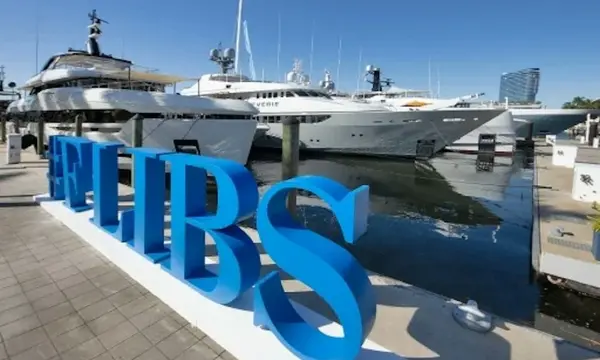
Five industry panels are scheduled at the 2026 Fort Lauderdale International Boat Show, covering the refit market, yacht brokerage, charter across North America and …

SVEA claims the J Class at Les Voiles de Saint-Tropez 2026 after tying RAINBOW on nine points, with HANUMAN winning the final race in …
Superyacht Guide
Continue into the wider Superyacht Guide.
Business opportunities · Superyacht Guide
Companies serving the superyacht market can discuss clearly identified advertising, sponsorship and business-profile opportunities. Commercial activity remains separate from independent editorial coverage.