The sanctions shock of 2022 removed a visible source of superyacht demand and forced the Western market to diversify, with current growth increasingly coming from other wealth regions.
Russian wealth was one of the most visible forces in the upper end of the superyacht market before 2022, particularly around the largest custom yachts and the Mediterranean service economy that supported them. Sanctions imposed after Russia's invasion of Ukraine abruptly changed that environment, forcing builders, brokers, managers and suppliers in Western markets to reassess where future demand would come from.
Four years later, the industry has not disappeared with that demand shock; it has become more geographically distributed. Current builder results and regional expansion point to a market drawing more deliberately on Asia-Pacific, the Americas, the Middle East and established European wealth rather than relying on one highly visible group of buyers.
The scope of the disruption was made explicit in June 2022 when the U.S. Treasury targeted Russian elite luxury-asset networks and the yacht brokerage Imperial Yachts, while identifying yachts and aircraft in which sanctioned Russian elites held interests. The action demonstrated that compliance risk extended beyond ownership to brokers, managers and other businesses involved in maintaining or moving luxury assets.
That mattered commercially because the superyacht market depends on a dense network of Western yards, banks, insurers, flag advisers, classification societies and service companies. When sanctions and enhanced due diligence restricted access to parts of that network, the consequences reached well beyond the vessels that were publicly detained or frozen.
There is no single public database that identifies the beneficial-owner nationality behind every superyacht contract, so claims that one region simply replaced Russian buyers should be treated cautiously. What can be documented is the effort by builders and distributors to deepen other markets, including Sanlorenzo APAC's report of double-digit order-intake growth during 2025.
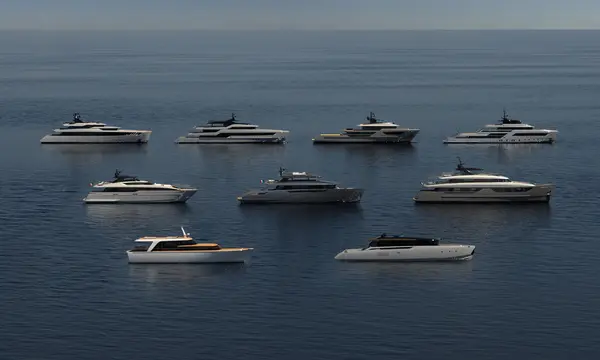
Sanlorenzo's regional operation said interest in larger superyachts was rising and that more units were under construction for Asia-Pacific, with its 2026-and-beyond order book including Alloy, Steel and SD models. That expansion was accompanied by larger technical, customer-care and yacht-management teams and a network of ten regional service points.
Corporate results show that leading European builders continue to operate at substantial scale several years after the sanctions shock. Ferretti Group reported €1.23 billion of new-yacht revenue and a €1.72 billion order backlog for 2025, alongside €1.14 billion of order intake during the year.
Those figures do not prove that post-2022 buyers directly replaced sanctioned Russian demand, because corporate order books do not disclose the beneficial nationality behind every contract. They do show that a major builder sustained a large forward book after the market's geopolitical break while commercial teams expanded their search for demand across multiple regions.
Brokerage activity in 2026 provides another measure of demand at the high end. Burgess said it had sold 31 yachts in the first 32 weeks of 2026, with an average length of 50 metres and an average final asking price of €42 million across those transactions.
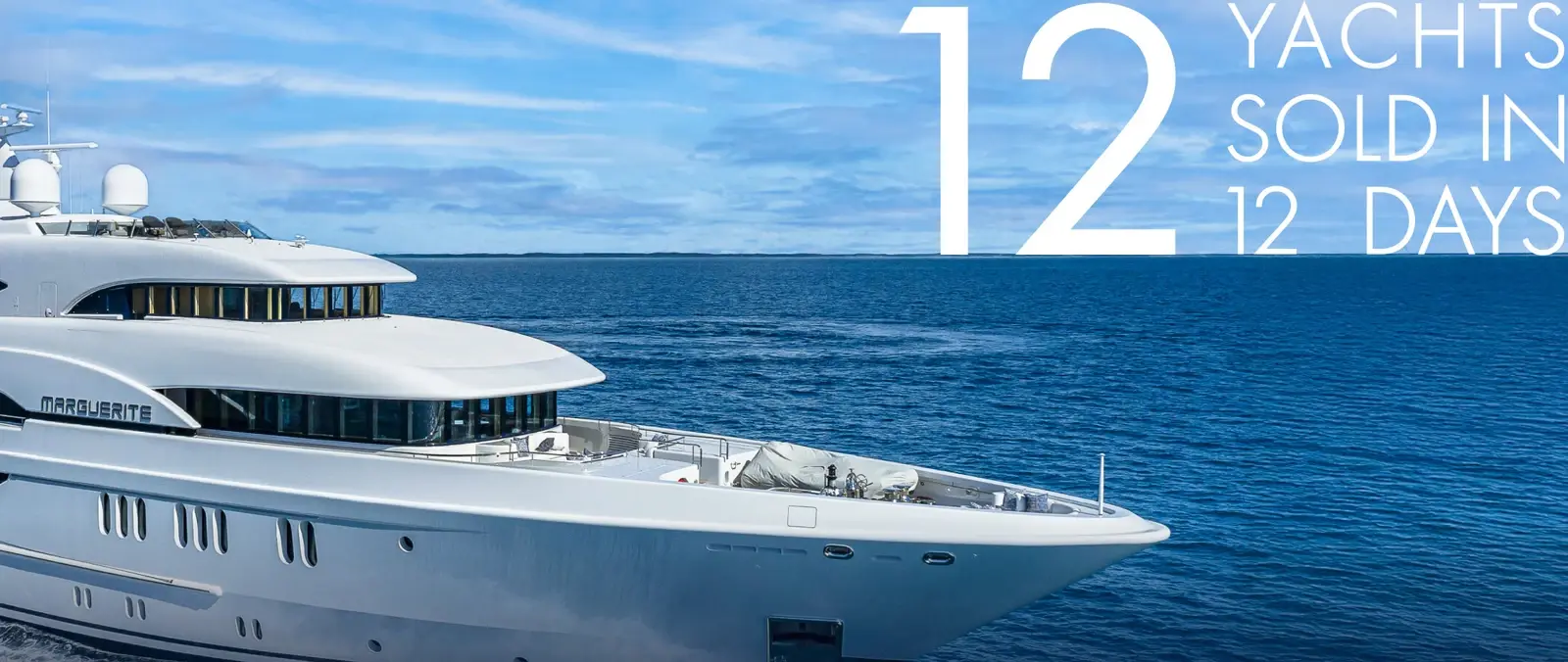
Fraser separately reported 12 superyacht sales in 12 days around the turn of 2025–26, representing about $250 million by last known asking prices. Neither brokerage set is a census of the market, but both indicate that large-yacht transaction liquidity is not confined to the buyer profile that dominated headlines before 2022.
The post-2022 market is harder to describe with one nationality or one centre of wealth, and that may be the most important structural change. Builders now need stronger regional representation, service capacity and customer relationships across several wealth centres because growth is being assembled from a wider set of markets.
Russian demand has not vanished globally, and sanctions regimes differ by jurisdiction and individual, so the industry's change should not be reduced to a simple before-and-after replacement story. What has changed in the Western superyacht economy is the cost of depending too heavily on one buyer group, and the current order book increasingly reflects a business built to find demand in more places.
Explore
Go deeper into the yachts, companies, events and destinations directly connected to this article.
Continue reading
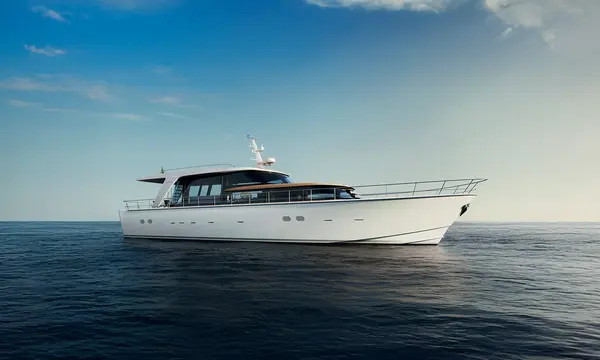
Sanlorenzo unveils SHE, a tribute to timeless elegance where heritage meets innovation Sanlorenzo introduces SHE, a unique 25.5-metre project that reinterprets the Maison’s heritage …
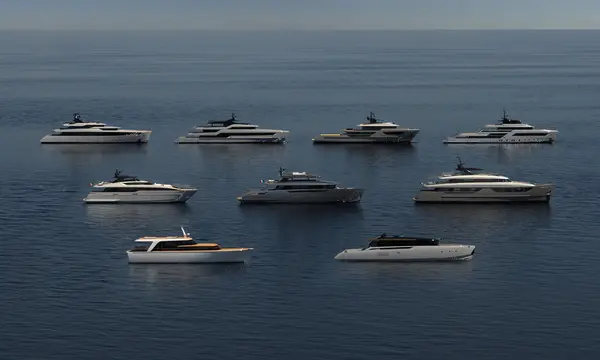
Sanlorenzo’s official news and events area highlights current superyacht innovation, launches and brand activity.
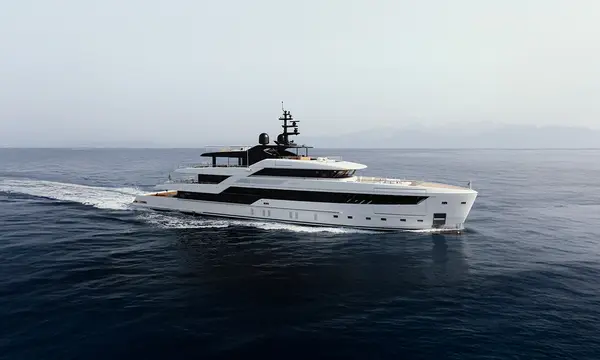
Sanlorenzo launches 50Steel, the first superyacht in the world powered by a green methanol Fuel Cell system Sanlorenzo reaches a new milestone on its …
Sanlorenzo’s second 50Steel launch reinforces the model’s position in the sub-500 GT superyacht segment.
Superyacht Guide
Continue into the wider Superyacht Guide.
Business opportunities · Superyacht Guide
Companies serving the superyacht market can discuss clearly identified advertising, sponsorship and business-profile opportunities. Commercial activity remains separate from independent editorial coverage.