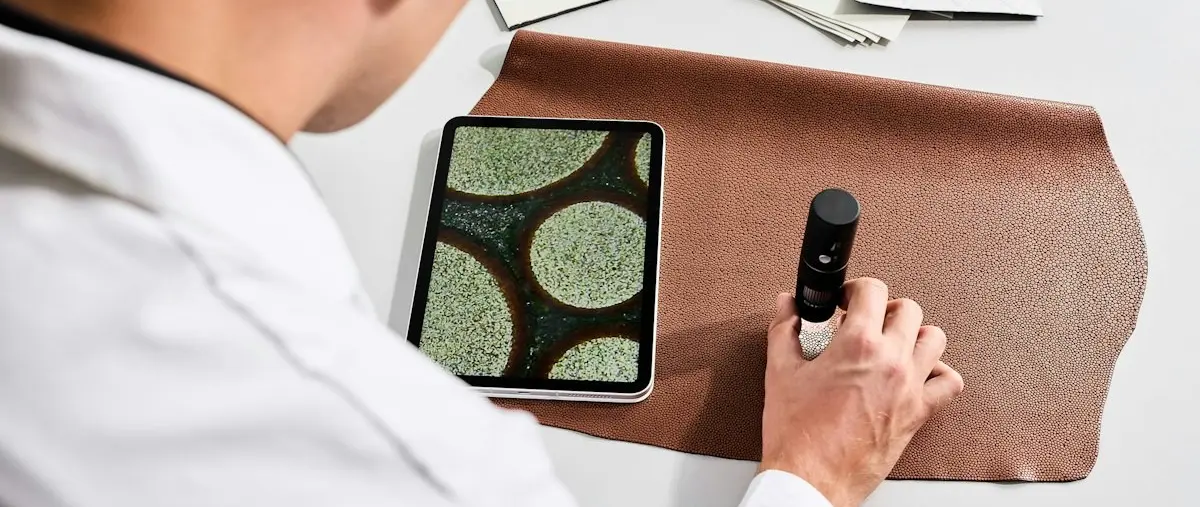
F/YACHTING and Silverlining Explain Bespoke Yacht Interiors
By Stephen Yardley · Edited by Stephen Yardley
Image: Northrop & Johnson Navigator
Silverlining Furniture and F/YACHTING describe how owner-led bespoke furniture and engineered marine craftsmanship are shaping high-end superyacht interiors.
Northrop & Johnson has published a new examination of bespoke superyacht interiors featuring Mark Boddington, founder of Silverlining Furniture, and Werner Kartner, chief executive of F/YACHTING, part of the F/LIST group. The discussion places craftsmanship, personal stories and technical performance alongside the more familiar themes of yacht styling.
The two specialists describe a shift from simply choosing expensive decorative items to commissioning elements that express an owner’s particular interests and daily habits. A yacht is both a private residence and a moving marine environment, so that level of individual expression has to work within practical engineering constraints.
Their comments, published on 12 October 2026, offer insight into how companies develop furniture and joinery for large yachts. They are views from participating specialists rather than an announcement that every new yacht uses the same design approach.
Silverlining Furniture has developed a reputation for custom pieces that use detailed timber work, specialist finishes and decorative techniques. Boddington explains that owners increasingly ask to choose materials, dimensions and methods of construction rather than selecting a design from a conventional catalogue.
Some commissions incorporate woods or other materials associated with a family history or significant location. A piece produced from timber with a documented origin can carry an emotional meaning that is different from an object selected only for its appearance.
Boddington also encourages owners to meet craftspeople during the making process and see techniques such as veneering or turning at first hand. The resulting relationship can change the way an owner understands the finished object, although the eventual design still needs to satisfy the yacht’s safety and maintenance requirements.
F/YACHTING combines specialised yacht interior production with the engineering expertise of F/LIST, and Kartner emphasises the need for early collaboration among designers, shipyards and suppliers. Weight, fixing arrangements, access panels and construction tolerances can affect both what a piece looks like and how reliably it performs aboard.
Yacht furniture needs to remain secure as the vessel moves, with suitable catches for doors and drawers and shapes that reduce the risk of injury when someone loses balance. Materials must also tolerate salt air, humidity and the routine cleaning expected on a professionally managed vessel.
The design process may therefore involve mock-ups, testing and detailed technical drawings before manufacture begins. These stages can appear less glamorous than choosing surfaces, but they help prevent an attractive commission becoming expensive to correct after delivery.
The interview describes how historical skills such as marquetry and hand veneering are being combined with computer-controlled machining, lasers and material science. Precision tools can create effects that would be difficult to reproduce by hand, while artisans still contribute judgment over grain, finish and the final appearance.
Boddington cites interest in materials including recycled paper composites, reclaimed timber and bio-based resins. These options should be evaluated for marine performance and genuine environmental impact, rather than assumed to be suitable solely because they carry a sustainability label.
Kartner describes a wider interest in lightweight constructions and hybrid materials that allow complex forms without ignoring weight and durability. The opportunity is to combine bespoke visual character with efficient production and an installation that remains serviceable over the yacht’s life.
Both specialists argue that early engagement with a shipyard or designer is critical. Boddington says his company may work on yacht projects two or three years before delivery, using samples and development work to ensure custom furniture becomes an integrated part of the vessel rather than an afterthought.
An owner planning new construction or a significant refit should identify the pieces that require structural fixing, unusual power supplies or access to machinery spaces before the surrounding joinery is finished. Later changes can generate substantial disruption if panels, bulkheads or distribution systems must be reopened.
The October discussion reinforces an important lesson for buyers: bespoke luxury depends on craftsmanship and on the often invisible work of coordination. Materials, owner participation and technical discipline all influence whether an interior remains satisfying once the yacht is in regular service.
Explore
Go deeper into the yachts, companies, events and destinations directly connected to this article.
Continue reading

Northrop & Johnson has added yacht sales adviser Malcolm Moss to its Palma team, drawing on his years of dealership, yacht representation and shipyard …
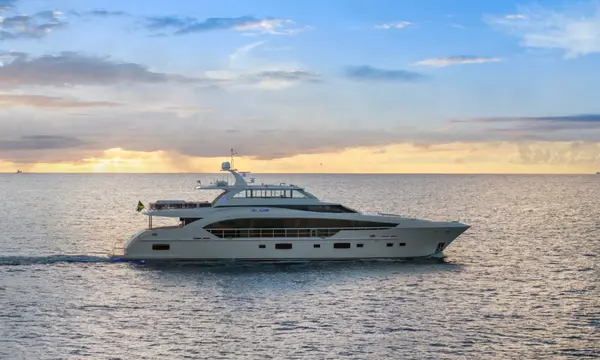
Northrop & Johnson has cut the asking price of 37m Horizon MISS MICHELLE by $1m to $13.5m, highlighting her 2025 delivery, twin owner suites …
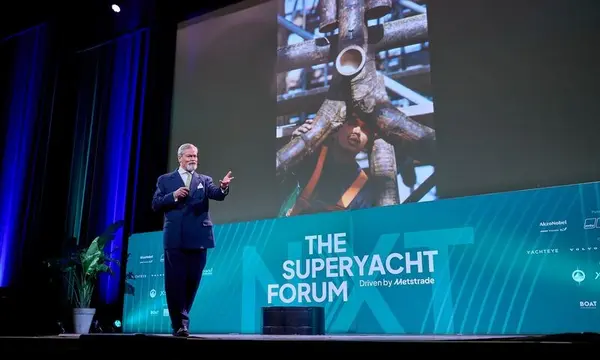
The Superyacht Forum has published its November 2026 programme, with Williams Grand Prix Technologies, crew welfare and shipyard safety feedback among its priorities.
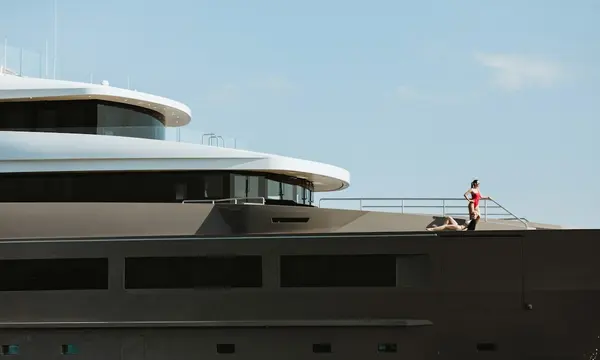
Northrop & Johnson’s Q3 2026 market analysis reports 126 used yacht sales above 24m, down from 160 in Q2, while 40–50m sales grew across …
Superyacht Guide
Continue into the wider Superyacht Guide.
Business opportunities · Superyacht Guide
Companies serving the superyacht market can discuss clearly identified advertising, sponsorship and business-profile opportunities. Commercial activity remains separate from independent editorial coverage.