
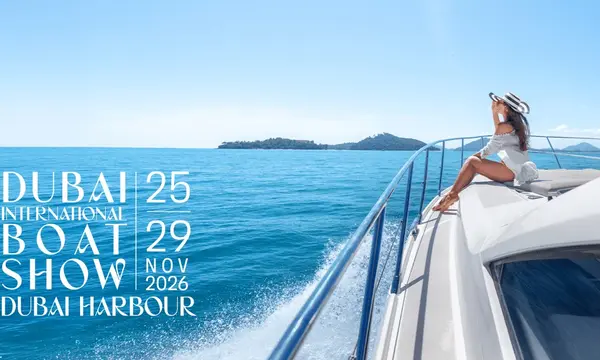
Dubai Boat Show 2026 Prepares Superyacht Avenue for November Opening
Dubai International Boat Show prepares its 25–29 November 2026 edition with Superyacht Avenue, yacht berths up to 160 metres and leading global brokers and.
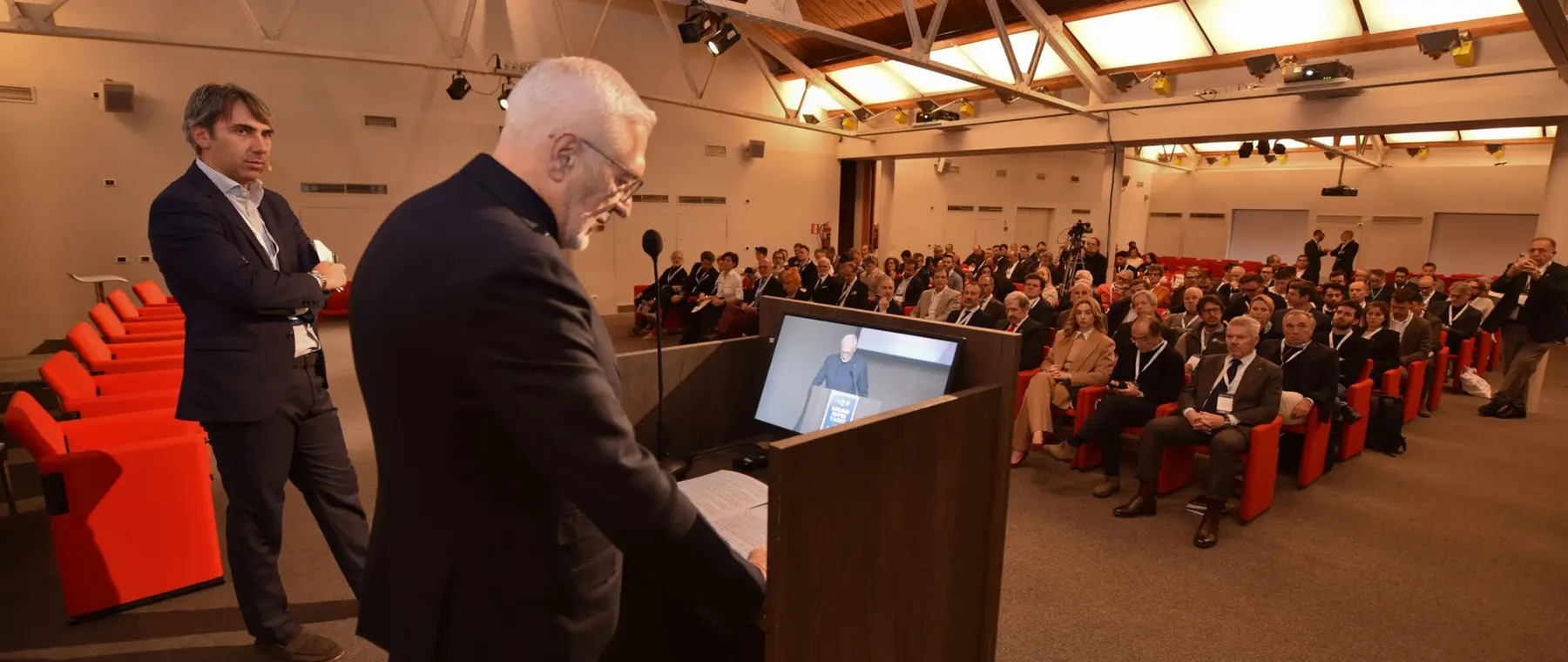
Sailing Super Yacht Forum Genoa official organiser photograph from December 2025 inaugural event
Genoa's Sailing Super Yacht Forum reports more than 125 registrations from 45 companies ahead of 27 November sessions on yacht construction, refits and safety.
The second Sailing Super Yacht Forum in Genoa is approaching with more than 125 industry professionals from 45 companies registered, according to an organiser update published by SuperYacht24. The event is scheduled for Friday 27 November 2026 in the Scirocco room at the Magazzini del Cotone, with the programme titled Sailing Forward. Rather than concentrating solely on new yacht launches, it is intended to examine the engineering, operational and commercial issues affecting large sailing yachts. The announced speakers include representatives of four shipyards, three yacht owners, three captains and businesses involved in equipment, professional services and technology. The registration figures were reported ahead of the gathering and should not be described as a final attendance count. Nevertheless, the range of participants offers a useful indication of the topics the sailing-superyacht sector expects to address as its construction and refit needs become more specialised.
The first reported session is designed to consider technology, materials and sustainability in sailing-superyacht construction, while a later session moves toward refits and the practical views of captains and owners. This split matters because an innovative design can be attractive on paper without being convenient to maintain through years of real use. Long-range sailing yachts need to reconcile rig loads, sailing performance, safety margins, accommodation, machinery, systems access and the expectations of people living aboard. The forum's stated intention is to bring different perspectives into the same conversation. A shipyard may focus on build feasibility, a designer on performance and aesthetic coherence, a captain on handling and a manager on future maintenance. None has a complete picture in isolation. For owners evaluating new projects, the useful outcome would be clearer evidence about which design choices work in service, rather than promotional claims about any single yacht model.
Genoa sits within an established Mediterranean ecosystem of shipyards, refit operations, designers, specialist suppliers and yacht-service professionals. Its infrastructure and industry networks make it a logical place for a discussion about large sailing yachts. The planned forum's venue, Magazzini del Cotone, is a conference setting rather than a dedicated yacht show. That distinction helps explain why the agenda is organised around expertise, not a fleet of vessels on display. A conference can create space for technical and commercial discussions that are difficult to conduct on a busy exhibition pontoon. It can also bring suppliers that do not necessarily attend every major superyacht show into contact with decision-makers. Local economic benefits should not be presumed before the event takes place, but the gathering offers Genoa an opportunity to reinforce its role as a place where work on large yachts is designed, commissioned and supported.
The published programme identifies Southern Wind, Solaris Yachts, Cantiere del Pardo and Sangiorgio Marine among the shipyard voices associated with the meeting. These businesses operate across different segments of the sailing-yacht market, so their experiences cannot simply be treated as interchangeable. Yet each faces practical decisions about construction methods, specialist labour and the interaction of systems aboard a vessel. For superyacht builders, the conversation is likely to be most useful when speakers can explain the circumstances behind a technical choice: what problem was being solved, what alternatives were rejected and what happened after delivery. The presence of yards from different production models may also clarify which innovations are scalable and which remain appropriate only to a highly customised one-off. The organiser has announced participants, not their final conclusions. Those should be reported after the presentations rather than inferred from the speaker list.
The sailboat design challenge at the centre of the forum is how to balance a responsive yacht under sail with comfort over long distances. Form stability, appendage design, rig configuration and weight distribution influence performance, but they also affect deck organisation, internal volume, noise, motion and maintenance. A yacht optimised for corrected-time racing may not suit an owner whose priority is quiet passage-making with a smaller crew. Conversely, a yacht built around generous accommodation still has to sail predictably and safely. The event's programme mentions new materials, hybrid propulsion, alternative systems and foils, all subjects that can affect the balance. None should be approached as a universal solution. A thoughtful discussion would compare the conditions under which particular technologies make sense, including the loading and operating limits that owners and captains have to manage once the vessel is delivered.
The announced line-up includes captains with direct experience of large sailing yachts. Their contribution is important because a vessel's designed performance and its day-to-day usability are not identical. Crew must manage sail handling, maintenance, watchkeeping, technical faults and guest activity in changing conditions. A complex deck arrangement may improve performance while increasing workload during manoeuvres. Similarly, a digital control system may simplify one task while creating a new dependency on electronics or specialist support. Captains can identify how a design behaves when weather deteriorates, an unexpected repair is needed or the yacht is away from a major service centre. These views can complement the calculations presented by designers and suppliers. For a prospective owner, the practical questions are crew size, training burden, redundancy, safe operation and the long-term cost of maintaining the vessel at the standard originally envisaged.
The organiser's programme gives attention to large sailing-yacht refits, involving shipyard, owner, captain, insurance and legal perspectives. This is a distinct problem from new construction because the operator must work with the structure and systems already aboard. An ageing mast, unavailable spare part, hidden corrosion or undocumented wiring can change the planned scope of work after the vessel enters the yard. Sailboats may also require specialist lifting, rig removal or handling equipment not found at every refit facility. Owners should understand how scope changes will be approved and how unforeseen work affects schedule and budget. A useful forum discussion could show how yards and captains manage surveys, risk allocation, material availability and return-to-service dates. The announced programme cannot by itself establish solutions to these problems, but it identifies refit competitiveness and ongoing technical support as subjects worthy of industry attention.
A yacht refit is governed not just by technical drawings but also by contractual and insurance arrangements. The forum intends to include professional service providers, including legal and insurance voices, alongside owners and operational staff. A large sailing yacht can have considerable value concentrated in its hull, rig and specialist equipment. If work requires hot processes, lifting or subcontracted activities, parties need to understand who carries the associated risks. Owners should also make sure that commissioning and sea trials are addressed in the work agreement rather than assumed to be routine. For an international vessel, flag, employment and tax considerations may further complicate the timetable. Such issues require advice specific to the individual yacht and jurisdiction. The forum's value would lie in raising awareness and sharing experience; a conference discussion cannot replace the detailed review of a contract or policy before a major refit begins.
The reported schedule includes a one-to-one session with Roberto Lacorte, owner of the sailing yacht FlyingNikka. The yacht is known for bringing highly ambitious sailing technology into an owner-led project, making it a potentially valuable example for discussion of design decisions and practical experience. It would be premature to attribute specific statements or conclusions to Lacorte before the interview occurs. What is confirmed is that the organiser has put a yacht owner's perspective in a prominent place in the morning programme. That matters because many technical decisions are ultimately shaped by how an owner intends to use the vessel, not solely by a yard's catalogue or a designer's preference. Owners who take an active role can illuminate the trade-offs between performance, operating complexity and enjoyment, particularly where a yacht is closer to the competitive end of the sailing-superyacht spectrum.
The agenda's subjects include sails, rigging, electronics, onboard systems and digitalisation. These categories are strongly interconnected. A change in sail-handling equipment may alter the electrical demand and deck installation; a new sensor may require interfaces with software and control systems; a revised rig can affect loads elsewhere in the vessel. Suppliers therefore need to provide more than attractive individual product specifications. They must support accurate interface drawings, maintenance records and commissioning procedures. For a shipyard, coordinating the responsibility for those interfaces can be as important as choosing the components themselves. The planned participation of sailmakers and marine-electronics companies could help the industry discuss this complexity in practical terms. A yacht builder considering several upgrades should ask how the systems behave together in failure modes and whether the final arrangement remains understandable to the people operating it.
Large sailing yachts require a specialised workforce. Shipyard trades, riggers, designers, sailmakers, skippers and technical managers each bring expertise that is not easily replaced. The forum's focus on training and safety recognises that modern equipment often increases the importance of competent crews and service technicians. New control technology may reduce manual effort but demand additional electrical knowledge; advanced materials may improve performance while requiring strict inspection or repair procedures. The industry's capacity to deliver new yachts and maintain an ageing fleet depends on developing those skills over time. An event with more than forty represented companies could offer a platform for sharing workforce needs, but registration numbers are not a measure of progress. The real test will be whether participants identify specific training gaps and follow through with practical initiatives after the event.
The organiser's count of more than 125 accredited professionals from 45 companies is a snapshot of interest ahead of 27 November. It is not a claim that those exact numbers attended or that the event has already produced business agreements. Attendance can change, and the final programme may differ from the advance schedule. For an editorial news report, the distinction matters. The confirmation of a date, place, core themes and named speaker categories is newsworthy in its own right, particularly for builders and operators making travel and meeting plans. It should not be inflated into a declaration that the sector has solved its challenges. When the forum is over, there may be opportunities to report substantive statements and new commitments. Until then, the meaningful development is the scale and breadth of announced participation and the detailed focus on sailing-superyacht engineering and ownership.
The upcoming Genoa meeting is positioned at the intersection of performance design, specialist construction and the realities of maintaining large sailing yachts. Bringing owners, captains, yards and suppliers together may help identify where ambitions exceed current infrastructure and where established solutions deserve wider adoption. The second edition also indicates an effort to sustain an industry conversation rather than organise a one-off promotional gathering. Its usefulness will depend on the specificity of the discussion, the willingness of participants to share real experience and the follow-up taken by individual businesses. For Superyacht Guide readers, the immediate facts are the Friday 27 November schedule, the Sailing Forward theme, the published participant categories and the reported registration figures. The future value of those discussions remains to be demonstrated.
Primary source: Alocin Media / SuperYacht24 — organiser attendance and programme preview, 15 November 2026.
Archival photograph: SuperYacht24 / Alocin Media, first Sailing Super Yacht Forum in Genoa, December 2025, used to illustrate the upcoming second edition; not a 2026 event image. Official source.
Continue reading
Dubai International Boat Show prepares its 25–29 November 2026 edition with Superyacht Avenue, yacht berths up to 160 metres and leading global brokers and.
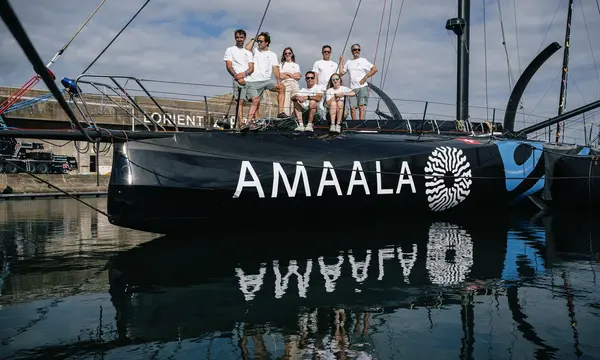
AMAALA Yacht Club names North Sails its first founding partner and outlines an annual invitational superyacht regatta on Saudi Arabia's Red Sea coast.
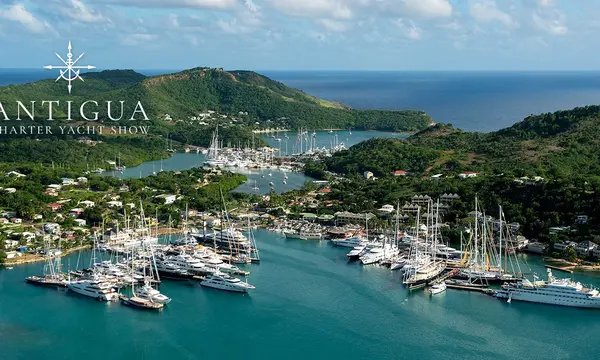
Phoenix confirms its Antigua Charter Yacht Show plans for 4–9 December 2026, with organiser-checked dates, charter industry context and official event imagery.

Phoenix Yacht Management announces its Dubai Harbour stand for 25–29 November 2026, with Numarine dealership and yacht management, sales and charter plans.
Superyacht Guide
Continue into the wider Superyacht Guide.
Business opportunities · Superyacht Guide
Companies serving the superyacht market can discuss clearly identified advertising, sponsorship and business-profile opportunities. Commercial activity remains separate from independent editorial coverage.