Fraser Confirms Sale of 50m Heesen ELA with Single Broker Representation
By Superyacht Guide Newsroom · Edited by Superyacht Guide Newsroom
Fraser Confirms Sale of 50m Heesen ELA with Single Broker Representation — licensed SYG News 26Nov batch01
Fraser confirms the sale of 50m Heesen ELA, highlighting her 5,959nm range at 10.5 knots, battery peak shaving and Monaco brokerage representation, with.
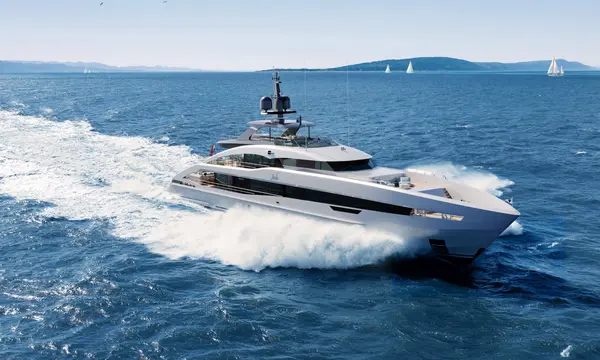
Fraser has confirmed the sale of the 50-metre Heesen motor yacht ELA, with Antoine X. Larricq of its Monaco office representing the seller and assisting the buyer. Announced on 25 November 2026, the transaction concerns an all-aluminium yacht of less than 500 gross tons, combining a Van Oossanen Fast Displacement Hull Form with battery-assisted energy management. The brokerage says the yacht is capable of a transatlantic range of 5,959 nautical miles at 10.5 knots and highlights her shallow draft for access to smaller anchorages. The reported sale is the confirmed news; Fraser has not disclosed the consideration, buyer's identity or all contractual terms.
A completed brokerage sale differs from a fresh listing or a conditional announcement about market interest. Fraser's release states that ELA has sold and identifies the broker who handled both sides of the relationship in different capacities. This is important provenance for a market accustomed to confidential transactions, where it is common for price, ownership and negotiating details to remain undisclosed. The absence of a public price should not be treated as evidence of a bargain, a premium or any particular valuation.
Representation is also worth stating accurately. Fraser says Larricq represented the seller and assisted the buyer; that is not necessarily a statement that every part of the transaction was conducted under one identical agency arrangement. Parties should understand their own legal representation and adviser duties, which vary with jurisdiction and contract. The published fact is the role described by the brokerage, rather than speculation about the relationship between the parties.
ELA was built by the Dutch shipyard Heesen, and Fraser describes her as an all-aluminium motor yacht. Aluminium construction is often chosen in performance-oriented yacht design for its weight characteristics and suitability for carefully engineered structures. That does not mean every aluminium yacht is lighter, faster or more economical than every steel or composite design. Structural scantlings, outfitting, displacement and the vessel's actual loading have a considerable influence on the final result.
At 50 metres, a yacht is large enough to require professional operational planning, yet ELA is described as remaining beneath the 500GT threshold. Gross tonnage is a regulatory volume measurement rather than the vessel's mass in tonnes. That distinction is often misunderstood. A figure below 500GT can influence the regulatory framework applicable to a yacht, but the specific consequences depend on flag, commercial use and other circumstances. It should never be equated with a guarantee of simple ownership.
The brokerage highlights ELA's Van Oossanen Fast Displacement Hull Form, a concept developed to combine desirable cruising efficiency with performance across a useful speed range. This is a more informative technical reference than simply describing the vessel as sleek or fast. Hull form matters because resistance through water depends on geometry, displacement and speed, while a yacht's operational efficiency also depends on how her machinery is managed.
A prospective owner examining a used performance yacht should request actual fuel-consumption records and information about her cruising profile. Published performance can be a guide, but loading, fouling, weather and machinery condition change what a vessel achieves. The association with a recognised hull-design specialist establishes design provenance; it is not an independent certification that every individual passage will meet the figures in a brochure. Good reporting should respect both the engineering ambition and the limitations of public data.
Fraser states that ELA has a range of 5,959 nautical miles at 10.5 knots, presenting the vessel as capable of transatlantic cruising. This is a specific, useful manufacturer-or-broker-supplied claim. It indicates that the yacht was designed for more than short movements between Mediterranean marinas. At the same time, it should not be converted into a guaranteed voyage plan without confirming fuel capacity, reserve policies, sea conditions and the exact assumptions used in calculating the figure.
Range is often misunderstood as a fixed attribute independent of speed. In reality, resistance and fuel consumption can change substantially as speed rises, and hotel loads continue to consume energy even when propulsion demand is low. A captain planning an ocean crossing would also consider weather routing, diversion ports and the availability of suitable fuel. The advertised figure is an indicator of intended capability rather than an instruction to sail the entire distance without contingency.
Another feature highlighted in the sale announcement is ELA's battery-supported peak-shaving technology. Peak shaving generally involves using stored electrical energy to reduce the demand placed on generators during short periods of high electrical load. In a yacht, this may help smooth generator operation and reduce some inefficiencies or noise, depending on the system's installation and operating strategy. Fraser also points to quieter cruising as part of the onboard appeal.
Such technology should not be confused with a fully electric propulsion system or zero-emissions operation. The yacht still requires energy for movement and accommodation, and the environmental consequences depend on where that energy originates. Buyers need to assess the battery chemistry, condition, control system, remaining useful life and manufacturer support. A good yacht survey should include specialist electrical review where the system is complex. The public transaction announcement does not publish battery capacity or a verified percentage fuel saving.
A quieter experience can matter greatly on a long-range motor yacht. Guests may spend time aboard while generators, stabilisers, ventilation and other equipment operate continuously. Reducing noise and vibration can make cabins and social areas more comfortable, especially overnight. Yet the perceived benefit varies according to system design and where guests are located. A battery-assist system is only one part of a larger acoustic and mechanical programme.
When evaluating a yacht after a sale, it is useful to consider commissioning records, maintenance history and the ability to operate systems together under normal loads. The electrical system must function reliably when air conditioning, galley equipment and navigation electronics are active. The fact that a technology is present does not reveal its present condition. That makes a detailed systems inventory and qualified engineering support important for any new owner, including one acquiring a relatively modern yacht.
Fraser also emphasises ELA's shallow draft as a way of reaching secluded anchorages. In some cruising areas, reduced draft can broaden the choice of sheltered bays and marina facilities. It does not remove the need for careful navigation, local pilotage or accurate depth information. A captain must still account for the vessel's actual loading, chart data, tides and the under-keel-clearance rules adopted by the operation.
Destination flexibility can be an important reason to choose one superyacht over another. Some owners prioritise remote islands, others deep-water harbours and metropolitan marinas. An apparently small difference in draft may have a significant effect at a particular location, but this depends on the local water depth and the yacht's operational margins. The release does not state a numerical draft for ELA in the short sale announcement, so there is no basis for assigning an exact figure without further verified documentation.
Yachts near 50 metres can have sharply different interior arrangements and gross-tonnage ratings. The fact that ELA is described as under 500GT may interest owners who want to balance accommodation, performance and certain operational considerations. However, tonnage thresholds are not a substitute for examining actual crew numbers, flag obligations and insurance requirements. The relevant rules vary according to where and how a yacht is registered and operated.
A buyer considering a vessel at this scale should involve experienced technical and legal advisers early. They can explain how tonnage, length, use category and equipment affect inspections and certification. Crew accommodation, safety systems and environmental compliance deserve particular attention. The brokerage's public headline identifies the tonnage band but does not promise any universal exemption. Clear reporting avoids converting a regulatory descriptor into an unqualified sales benefit.
The names of buyers and sellers of significant yachts are often protected by confidentiality arrangements, and the final price may never be published. Fraser's announcement gives the vessel, shipyard, broker and a selection of technical characteristics, but no purchase consideration. An editorial report cannot reliably calculate a sale price from the length or builder alone. Market value depends on build year, specification, condition, refits, survey findings and the specific structure of the deal.
It is also possible for a purchase to involve numerous advisers and service providers whose roles are not mentioned in a short release. Naming unconfirmed participants would create a misleading history. For ELA, the verified brokerage role is that of Antoine X. Larricq as explicitly described. Future public registration or cruising activity may reveal additional information, but it should not be anticipated as a certainty in a story about a transaction announced yesterday.
Taking over an ocean-capable superyacht generally involves more than changing the name on a registration document. The incoming operation must understand planned maintenance, class and flag records, crew contracts, software support and the storage of technical documentation. A yacht with an advanced electrical architecture may require continuity of specialist knowledge so that its energy-management system remains safe and effective. These are general professional considerations, not facts about the private arrangements of ELA's new owner.
Insurance coverage, home berth, cruising permits and the intended season can also influence handover planning. If a buyer wishes to undertake an ocean crossing, the vessel's machinery and safety equipment should be checked against the route rather than assumed ready from a published range claim. A detailed condition survey is essential to understand actual readiness. Nothing in Fraser's announcement identifies the date or place at which ELA will next depart.
The reliable facts are that Fraser has announced the sale of 50-metre Heesen ELA and identified Antoine X. Larricq of Monaco as seller representative and buyer assistant. It describes an all-aluminium yacht under 500GT with a Van Oossanen Fast Displacement Hull Form, peak-shaving batteries, a quoted 5,959-nautical-mile range at 10.5 knots and shallow draft. The release does not disclose the final price or new ownership.
For the superyacht market, the transaction is notable because it involves a technically distinctive long-range yacht and a completed deal confirmed by the broker. The design claims warrant careful attribution, and the private details deserve appropriate restraint. Together, those boundaries allow the story to be informative without turning a short official announcement into unsupported speculation about value, delivery or future cruising.
Primary source: Fraser Yachts 25 November 2026 official announcement of the sale of 50m Heesen ELA.
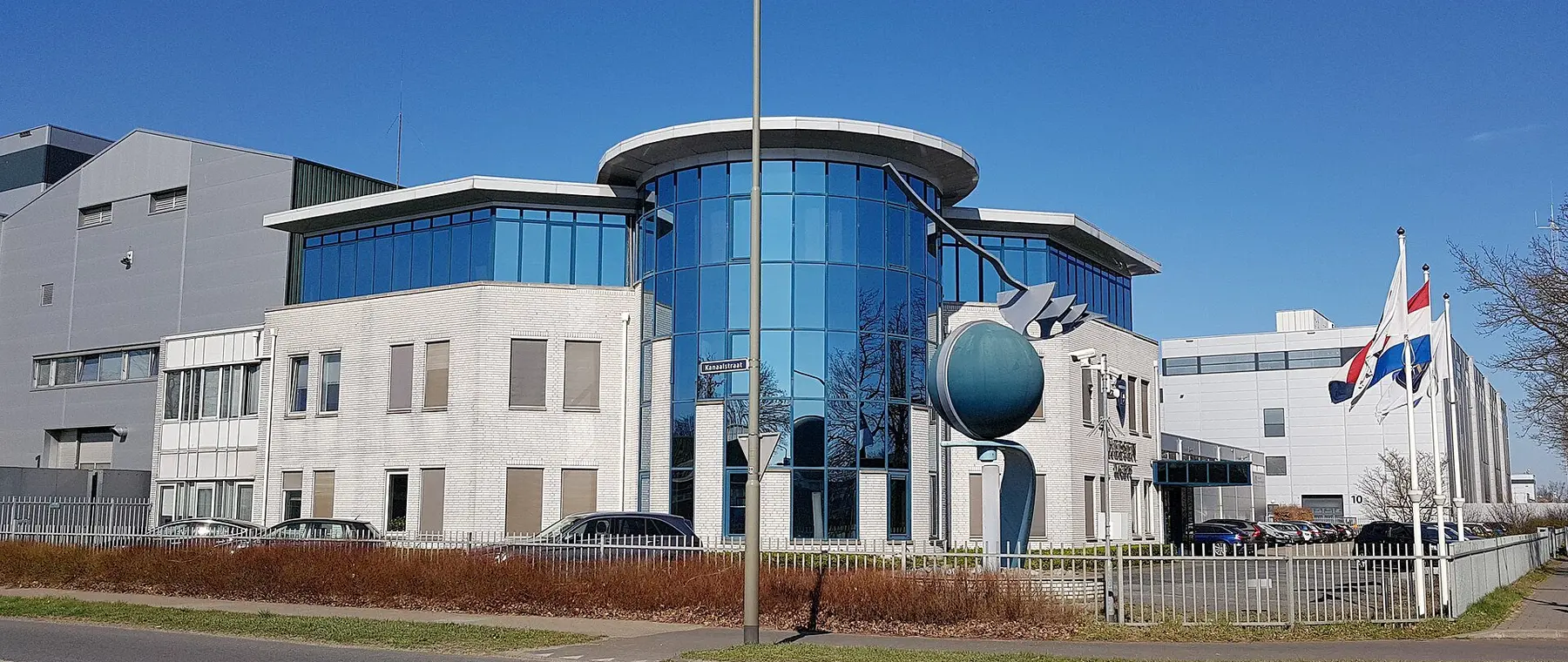
Licensed archival image of the Heesen shipyard, not the 50m yacht ELA or her sale. Photo: RagingR2; CC BY-SA 4.0 via Wikimedia Commons. Official source.
Explore
Go deeper into the yachts, companies, events and destinations directly connected to this article.
Continue reading
Heesen Yachts announces the opening of a new dedicated sales office in Monaco, marking a significant step in the shipyard’s renewed commercial strategy. Following …
Heesen Yachts is delighted to announce the sale of YN 20955 MY Agnetha . Ian Harris, of Phoenix Yacht Management from Dubai, introduced the …
Heesen Yachts is proud to announce the sale of YN 21255, Project Angelica, the newest addition to its acclaimed 55-metre Steel series. The deal …
Heesen is delighted to announce the sale of YN 20350, the 50m fast cruiser Project Jade , an exquisite all-aluminium yacht that seamlessly blends …
Superyacht Guide
Continue into the wider Superyacht Guide.
Business opportunities · Superyacht Guide
Companies serving the superyacht market can discuss clearly identified advertising, sponsorship and business-profile opportunities. Commercial activity remains separate from independent editorial coverage.

