Hull Vane Reports Wider Superyacht Adoption After Twin Custom Yacht Launches
By Stephen Yardley · Edited by Stephen Yardley
Hull Vane B.V. says yacht builders are considering fixed stern foils earlier in the design process, following a series of recent superyacht applications. In a September 2026 interview, chief executive Niels Moerke pointe
Hull Vane B.V. says yacht builders are considering fixed stern foils earlier in the design process, following a series of recent superyacht applications. In a September 2026 interview, chief executive Niels Moerke pointed to two identical custom motor yachts launched in June with the technology fitted, alongside publicly announced installations on the 44-metre Azimut Grande and a 42-metre Sirena flagship.
The latest account is a supplier-wide adoption update rather than a new launch announcement for those individual yachts, which have already been covered separately. Its significance is the growing willingness of design teams to incorporate hydrodynamic efficiency measures before hull structure, propulsion and accommodation arrangements become fixed.
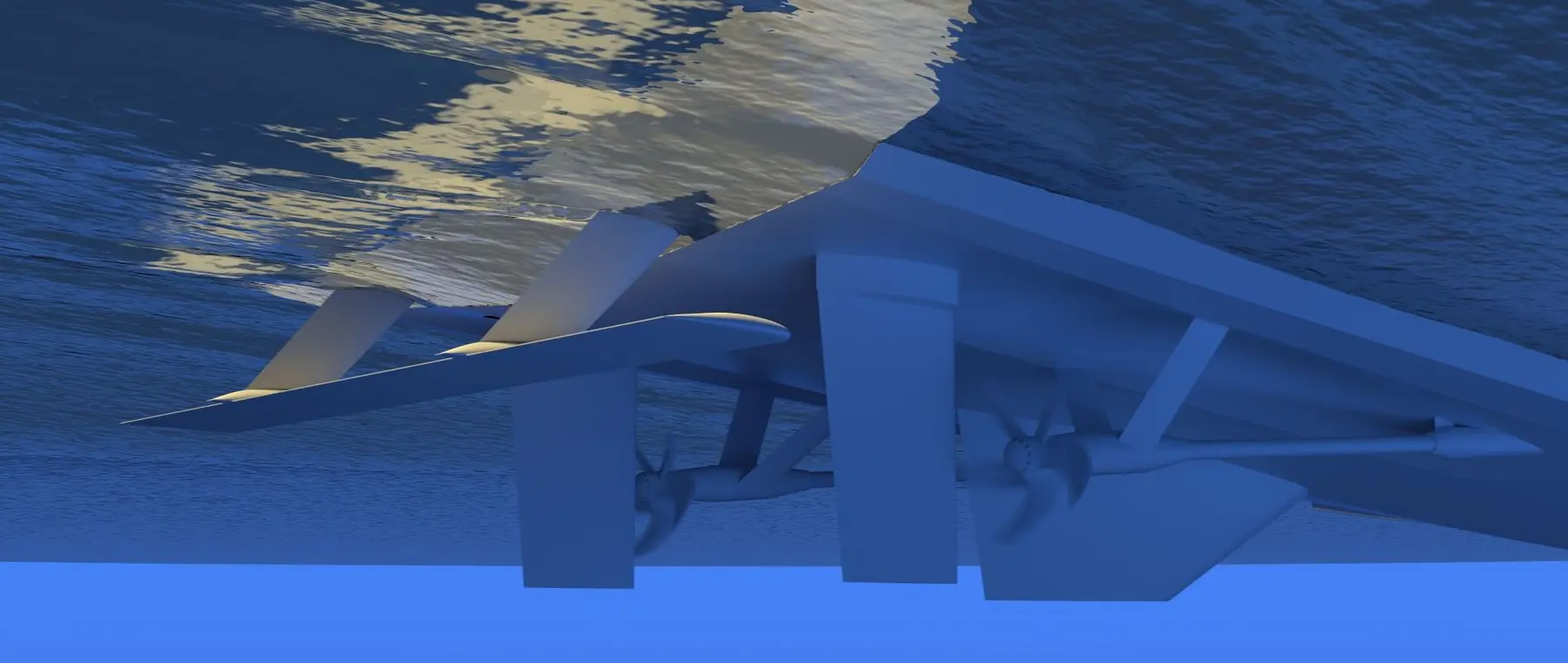
Hull Vane is a submerged foil installed aft of a yacht's hull, intended to modify stern flow, reduce wave-making resistance and help balance the vessel dynamically. By producing a useful lift-and-thrust contribution under suitable conditions, the foil may reduce the effective propulsion power needed at a given speed. The result is highly dependent on hull form and operating profile.
A fixed underwater appendage is not an energy source and does not guarantee efficiency gains on every vessel. Naval architects must model how the foil interacts with the wake, propellers and vessel trim, and then compare performance using consistent loading and environmental conditions. The optimal installation position is a product of engineering calculations rather than appearance alone.
A reduction in required propulsion power can lower fuel consumption and associated emissions over passages, but the scale depends on actual operating speed and the amount of time the yacht spends underway. The company also promotes improvements in motion comfort, reflecting the influence of stern hydrodynamics on pitching and trim in certain sea conditions.
Owners should weigh those possible gains against extra appendage inspection, cleaning, structural integration and the risk of damage in shallow water. Docking, lifting and diver access may require different procedures. A foil fitted correctly at newbuild stage can be easier to accommodate than a later retrofit on a yacht with limited access to the stern structure.
Superyacht designers can allocate greater freedom to the hull and propulsion arrangement when an efficiency measure is assessed at the concept stage. Once shafts, rudders, stabilisers, tender arrangements and structural girders are fixed, adding a stern foil may constrain location and reduce achievable benefit. Early collaboration among owner, designer and naval architect is therefore central to responsible selection.
Hull Vane's relationship with Van Oossanen Naval Architects provides access to specialised hydrodynamic experience, but the engineering for an installation must still be evaluated independently for a particular project. Results from a fast-displacement motor yacht cannot automatically be extended to a sailing yacht or a heavier low-speed vessel.
The recent twin-yacht installations, alongside the Azimut and Sirena programmes, demonstrate interest from different builders rather than proof of uniform savings. A published fuel-consumption reduction should identify the tested speed and comparison baseline to be meaningful. Without those conditions, apparently precise percentages may obscure very different operating scenarios.
Superyacht Guide has previously reported individual examples of Hull Vane equipment on named yachts. This broader supplier update examines the product's reported expansion across multiple construction programmes, a separate commercial development that can influence future specifications.
A permanently immersed foil needs robust fabrication, coatings and a maintenance plan compatible with the yacht's antifouling system. Structural connection points must carry the expected hydrodynamic loads and remain inspectable. Operational support should include replacement parts, survey guidance and documentation appropriate to the flag and classification of the yacht.
The market for such devices reflects wider attention to energy efficiency without sacrificing owners' expectations for quiet operation and interior volume. Hull Vane's next meaningful evidence will come from independently documented performance across a broader set of completed superyachts, including real-world maintenance costs.
A well-designed stern appendage may form one part of a wider efficiency package alongside propulsion optimisation, hotel-load management and improved route planning. Each measure should be evaluated on its own contribution and its interaction with the complete vessel. That avoids promising that a single product will resolve the energy demands of a complex luxury yacht.
The September report shows that builders are engaging with foil technology at a more systematic level. The opportunity is technically credible, but its true value will be determined by measurable outcomes on individual yachts rather than by the number of projects cited in promotional material.
Explore
Go deeper into the yachts, companies, events and destinations directly connected to this article.
Continue reading

Cantiere Rossini renewed gender-equality certification in April 2026 and reported women in a quarter of its workforce and 40% of operational leadership.
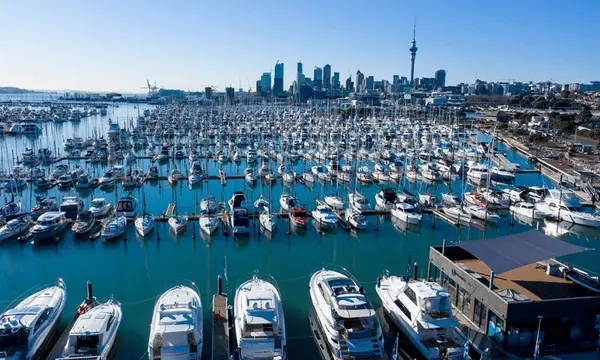
SeaKeepers South Pacific announced a July 2026 partnership with three Auckland Council marinas to widen access to citizen science and conservation programmes.
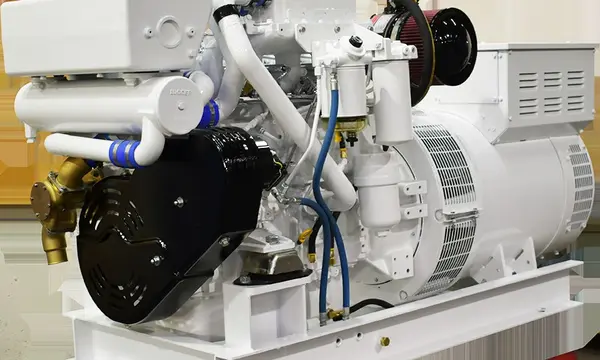
Northern Lights has expanded Diesel Marine NZ’s distributor role to cover marine generators, Lugger engines and Technicold equipment across the South Pacific.

AkzoNobel and Axalta have announced Axanzo as the name for their proposed future combined coatings company, while marine products remain with existing suppliers.
Superyacht Guide
Continue into the wider Superyacht Guide.
Business opportunities · Superyacht Guide
Companies serving the superyacht market can discuss clearly identified advertising, sponsorship and business-profile opportunities. Commercial activity remains separate from independent editorial coverage.