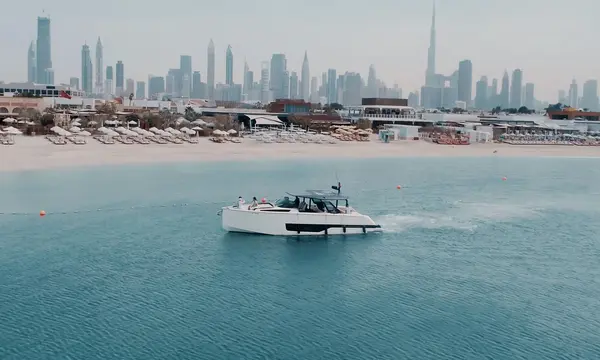
D-Marin Details Dubai J1 Beach Anchorage and Tender Service
D-Marin's October guidance explains how visiting yachts use a permitted offshore anchorage and dedicated tender service to reach Dubai's J1 Beach restaurants.
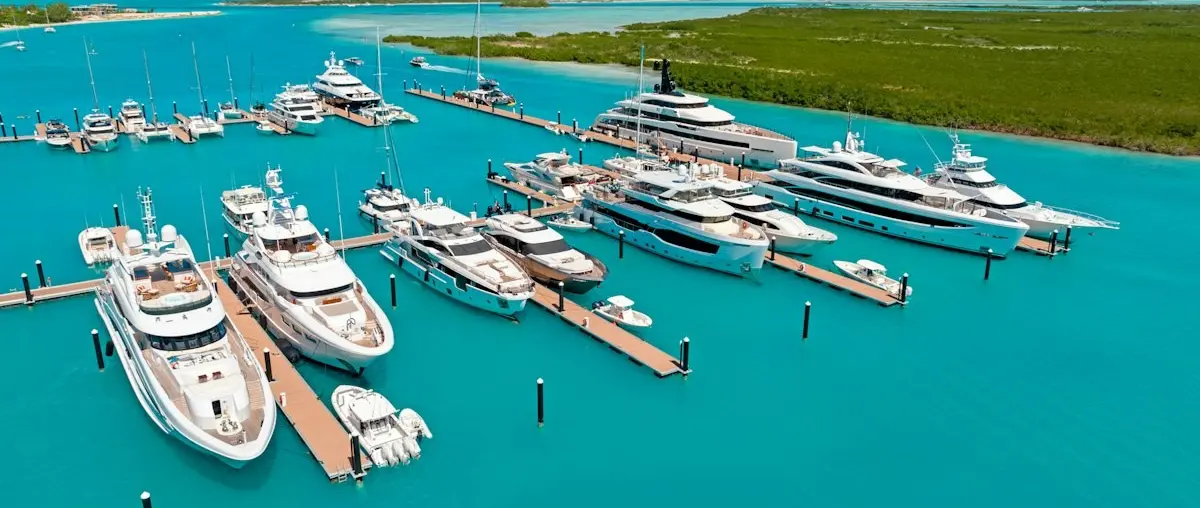
IGY explains how its Trident programme supports eligible superyacht captains seeking short-notice berths during busy events and sudden itinerary changes.
IGY Marinas has outlined how short-notice itinerary changes can complicate superyacht operations when sought-after marinas are already committed. A 19 October advisory by Whitney Diedericks, manager of the Trident programme, published through Northrop & Johnson, uses a hypothetical owner's trip to Art Basel in Miami to show why a passage can be simple while the arrival becomes difficult. It focuses on berth access and shoreside coordination, not a newly opened marina or construction project.
The operational challenge is familiar to captains of large private yachts. Owners may alter a destination to attend an event, meet guests or respond to weather changes, and the bridge team then has to reconcile the new plan with berth availability, safe access and local requirements. An appealing destination does not guarantee that its suitable slips remain available, particularly when seasonal visitors and commercial events overlap.
The advisory uses Yacht Haven Grande Miami at Island Gardens as an example of a marina where berths may be reserved weeks ahead during Art Basel. The point is not that a particular visiting yacht was turned away; the release describes a common planning problem. Captains can face few realistic alternatives when a vessel's length, draught and electrical requirements limit the range of suitable marinas.
A late request also affects crew duty planning, provisioning, transfers and guest itineraries. Even where a suitable berth becomes available, the captain still needs to check arrival windows, berth geometry, wind exposure, shore supply and port formalities. A premium address alone is insufficient. Each part of the itinerary must remain compatible with the yacht's safe operation.
IGY says eligible Trident members receive guaranteed berth access at participating marinas, subject to the programme's conditions, including during busy periods. The company also states that the membership removes a berth-deposit requirement. These features are presented as ways to reduce uncertainty when an owner decides to change plans, rather than as an unrestricted right to arrive anywhere without coordination.
Terms and participating locations matter. A captain should obtain written details of what the access promise covers, how notice periods work and which operational limits still apply. Marina memberships do not eliminate constraints caused by a yacht's size, local law, weather or other safety considerations. Prospective members should establish both the subscription cost and the actual privileges relevant to their intended cruising area.
IGY also describes preferential berth placement, assistance with storage and support for shoreside requests. At certain marinas, members may have access to designated parking, restaurant or pool-deck facilities, as well as crew gatherings. The benefits differ between locations, meaning it would be misleading to present a uniform package at every marina in the network.
For a 40- or 60-metre yacht, familiarity with the vessel's layout and requirements can be especially helpful. Repeat relationships may reduce the administrative burden of arranging security, visitor access and services, although each arrival still needs confirmation. Crew should maintain clear records of prior arrangements rather than assume that a previous successful visit guarantees the same conditions later in the season.
The advisory names the Cannes Film Festival and Miami Formula 1 Grand Prix as examples of events during which limited marina capacity creates competing demands. IGY says Trident members have obtained late berths in Cannes, secured certain event arrangements and received helicopter-operations privileges. It also reports accommodating members in Miami when the marina was otherwise fully booked.
These are claims reported by the programme operator rather than independently documented case studies with named yachts and dates. Specific privileges can depend on local approval, weather and the receiving marina. A captain planning helicopter movements, for instance, must verify the relevant aviation and maritime rules separately. Membership arrangements cannot supersede the responsibilities of the crew or local authorities.
The most useful operational response to an uncertain itinerary is a tiered plan with a preferred berth, an acceptable alternative and a realistic fallback destination. Vessel dimensions, shore power, fuel, provisioning, security and transfer needs should be supplied accurately when enquiries are made. Captains may also benefit from contacting local agents early instead of waiting for a final guest itinerary.
Any guaranteed-access programme should be considered within that wider plan. If a marina's weather limits, approach channel or local restrictions make arrival unsuitable, a commercial benefit cannot make it safe. Clear communication between the owner, captain and management team is essential when travel changes leave little time for preparations. The goal is to maintain flexibility without taking shortcuts on operating standards.
An established marina relationship can also help staff understand the yacht's normal shore-side requirements and the expectations of its owner and crew. IGY presents this familiarity as a key part of Trident membership rather than treating a berth as a simple parking space. Depending on the destination, a superyacht may need space for equipment deliveries, vehicles, guest transfers and contractors alongside routine docking services.
The value of these extras varies with the owner’s actual use of the vessel. A yacht cruising largely away from participating marinas may gain less benefit from a network package than a vessel regularly visiting major event destinations. Owners should weigh costs against expected trips and examine cancellation, berth-access and eligibility provisions before making a decision. No comparison of competing marina networks was included in the source advisory.
The 19 October briefing is timely as superyachts plan passages towards Caribbean and US destinations and begin arranging the coming winter season. It highlights a problem that can emerge even when the vessel and crew are otherwise ready: premium berths are finite, and unexpected itinerary changes can disrupt a carefully organised voyage. The reported Trident features aim to help qualifying members manage that exposure.
No specific yacht booking, newly signed marina contract or confirmed October berth allocation was announced. The news is IGY's published operational guidance and explanation of its existing programme. Captains should verify participating marinas, detailed access terms and the relevant local restrictions before promising an owner that a last-minute berth or associated VIP facility will be available.
Continue reading
D-Marin's October guidance explains how visiting yachts use a permitted offshore anchorage and dedicated tender service to reach Dubai's J1 Beach restaurants.

Marina Bahía Golfito highlights prospective customs, port services, road access and research facilities in Costa Rica before FLIBS 2026.
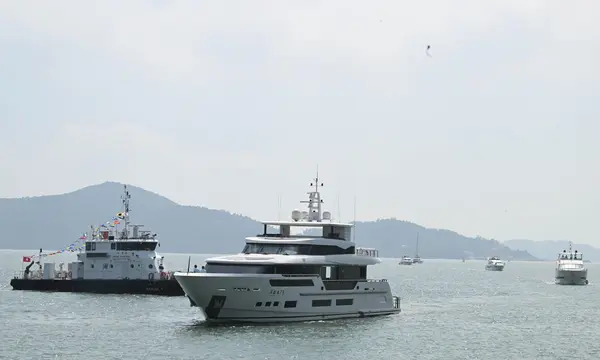
Five Guangdong yachts made the inaugural southbound visit to Hong Kong on 16 October, launching two-way cross-border arrangements and new marina ambitions.

D-Marin says its new Marina Tribunj fuel station opened on 15 October 2026, adding a refuelling option at the entrance breakwater of the Croatian …
Superyacht Guide
Continue into the wider Superyacht Guide.
Business opportunities · Superyacht Guide
Companies serving the superyacht market can discuss clearly identified advertising, sponsorship and business-profile opportunities. Commercial activity remains separate from independent editorial coverage.