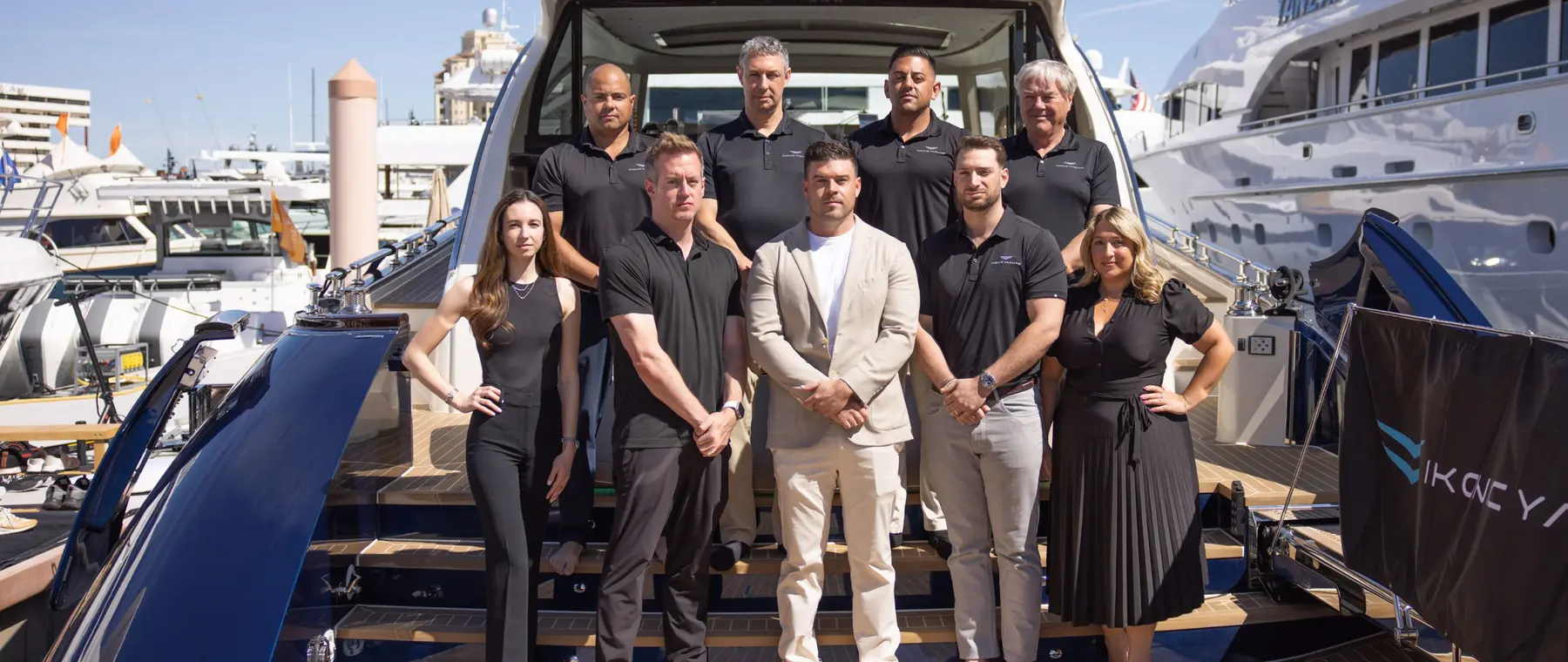
Ikonic Yachts is positioning its brokerage business around a family-office model that connects acquisition, management, charter, build and sale. The approach puts financial analysis and ownership strategy alongside traditional brokerage.
Ikonic Yachts is positioning its brokerage and advisory business around a family-office model that treats yacht ownership as a continuing strategic relationship rather than a sequence of separate transactions. The Miami Beach-based firm says its role is to provide one central point of contact across acquisition, charter, management, new construction and sale, supported by market intelligence, financial analysis and risk assessment.
The approach is intended to address a familiar problem in large-yacht ownership: the owner or family office can end up coordinating brokers, managers, lawyers, accountants, insurers, crew specialists, charter teams and shipyards through different relationships that do not always share the same priorities. Ikonic argues that bringing those functions into a single advisory framework can reduce handovers and make decisions about the yacht more consistent over its ownership lifecycle.
On its official advisory page, Ikonic describes the conventional brokerage model as fragmented and says its alternative is built around integrated family-office services. Acquisition, management, charter, sale, build and advisory are presented as connected parts of one ownership strategy rather than independent services purchased at different stages.
That matters because the financial decision does not end when a yacht is acquired. Operating budgets, refit planning, crew employment, insurance, tax and regulatory questions, charter strategy and eventual resale can all affect the economics and practical experience of ownership, and Ikonic says its model is designed to keep those decisions under one advisory relationship rather than repeatedly transferring responsibility.
Ikonic is also putting greater emphasis on financial analysis within brokerage. The company says its in-house team provides operational pro formas, yacht valuations and cost-of-ownership modelling so that a buyer can evaluate not only the purchase price but the expected financial profile over the intended holding period.
Its ownership advisory material extends that framework into tax strategy and compliance, legal and regulatory matters, yacht management, crew employment, charter revenue, capital calls, profit-and-loss reporting, shipyard relationships, insurance and risk management. Those are normally handled by several specialist advisers, but Ikonic's proposition is that the yacht adviser should function as the coordinating point between those disciplines and the owner's wider family-office structure.
That does not mean a yacht broker replaces lawyers, tax advisers, technical managers or other specialists. The more significant change is one of coordination: the yacht adviser is expected to understand how a proposed purchase, operating plan or sale interacts with those other professional functions, then keep the relevant information moving between them rather than leaving the owner to reconcile separate recommendations.
The company says relationship continuity is central to the model. Ikonic reports that 80% of its business comes from referrals and trusted introductions, and it also says 80% of its transactions are conducted off-market through its private network; those figures are company claims, but they illustrate how strongly the business is being positioned around discretion and long-term client relationships rather than volume brokerage.
Ikonic also says it recommends only a limited share of available yachts rather than presenting the entire market, with its advisory material describing a selection standard focused on roughly the top 15% of vessels it considers suitable. The firm's argument is that pre-screening, financial modelling and continuity of representation can reduce the amount of work transferred back to the owner or family office during a purchase, management period or eventual sale.
For large private yachts, the family-office comparison is more than branding because the asset sits at the intersection of lifestyle, staffing, regulation, cross-border operations and substantial recurring expenditure. A buyer may begin with a brokerage transaction, but the decisions that follow involve governance, budgeting, technical oversight, legal structures and risk management, which are areas family offices already coordinate across other complex assets.
Ikonic's founder and CEO AJ Blackmon has framed the company around that advisory role rather than a traditional sales-only relationship. The firm's official company profile describes Ikonic as a fully integrated yachting ecosystem focused on investment-level advice, asset management and valuation, while its public material says the business has been involved in more than $1 billion in transactions to date.
The model will ultimately be judged by whether owners see value in concentrating more responsibility with one adviser instead of maintaining separate relationships for each stage of yacht ownership. What is clear is that Ikonic is making the case that modern superyacht brokerage should extend well beyond finding a vessel, negotiating a price and closing a sale, with ongoing ownership strategy becoming a larger part of the broker's proposition.
There is also a commercial tension in that approach because integration only works if the adviser can remain objective when several revenue-generating services sit inside the same relationship. Ikonic says its model is designed around data-driven guidance and long-term client interests, so the test for owners will be whether that structure delivers clearer decisions and accountability without simply moving the same potential conflicts under one roof.
For the wider market, that creates an interesting competitive question: whether traditional brokerage houses will continue to separate sales, charter, management and advisory functions, or move toward a more integrated structure for clients whose yachts are already managed alongside other complex assets. Ikonic is betting on the latter, positioning the yacht adviser as an extension of the owner's existing professional network rather than simply the person called when a yacht is bought or sold.
Explore
Go deeper into the yachts, companies, events and destinations directly connected to this article.
Continue reading
Can Charter Income Cover Superyacht Running Costs? Charter income can offset a meaningful share of superyacht operating costs, but it rarely makes ownership cost-free …
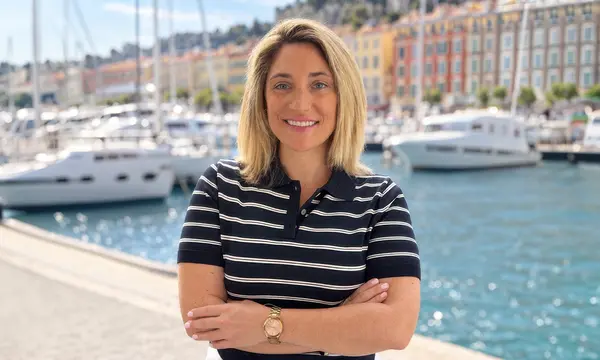
Hill Robinson appoints Claire Borel as senior charter manager in Monaco, bringing seven years of charter expertise to its owner, captain and crew operations.

MYSEA and Motor Racing Legends bring historic motorsport enthusiasts closer to yacht charter, including a Mediterranean discovery experience aboard the 115ft Sunseeker FLEUR.

CMC Marine has provided new technical detail on the energy-management architecture behind its electric stabilisers and thrusters, explaining how capacitor storage can reduce abrupt …
Superyacht Guide
Continue into the wider Superyacht Guide.
Business opportunities · Superyacht Guide
Companies serving the superyacht market can discuss clearly identified advertising, sponsorship and business-profile opportunities. Commercial activity remains separate from independent editorial coverage.