SYG 20261124 batch12 official first party unique lavie Mr Smith Launches LAVIE Superyacht Magazine at METSTRADE 2026
Mr Smith, a yacht AV/IT supplier, launched its new first-edition LAVIE magazine at METSTRADE 2026 in Amsterdam.
Mr Smith, a company specialising in audiovisual and information technology for superyachts, has introduced the first edition of LAVIE Magazine at METSTRADE 2026 in Amsterdam. The company announced the publication on 10 November and invited visitors to collect complimentary copies at its exhibition stand during the event. The magazine is intended to explore yacht technology, destinations, craftsmanship and the people whose work shapes the luxury marine sector. This is the launch of an editorial product, not a new superyacht, marine electronics device or yacht-building contract.
The development is relevant to the superyacht supply chain because specialist equipment firms increasingly communicate about more than the technical specifications of their products. Owners, captains, shipyards and advisers may want to understand how equipment fits into a complete onboard experience. LAVIE represents Mr Smith's attempt to engage that audience through a new publication. The company's announcement establishes the magazine's existence, topics and debut location without claiming a verified circulation number or a commercial publishing agreement.
Mr Smith says the first edition of LAVIE made its official debut at METSTRADE 2026. The international marine exhibition took place at RAI Amsterdam from 17 to 19 November. That event provides a setting where the publication could reach people from shipyards, marine technology companies, brokerages and yacht management businesses.
The date matters: the launch is a completed 2026 exhibition activity rather than a product that is expected to appear next year. The publisher's own notice precedes the exhibition and describes its plans for the first issue. There is no basis to infer the exact number of printed copies distributed during the show.
Mr Smith is known for work in the audiovisual and IT environment of superyachts. Such systems can affect entertainment, communications and the overall guest experience. A magazine offers a different way to discuss those technologies in the context of life aboard a yacht rather than as isolated components.
This does not mean the company is abandoning equipment services or creating a separate newsroom of a particular size. The original announcement identifies the magazine and editorial ambitions but does not reveal a new corporate structure or the number of employees assigned to publishing. The verifiable change is the addition of a first-edition media product.
The publisher presents LAVIE as a celebration of people, innovation and experiences associated with luxury yachting. This positioning is intentionally wider than a catalogue of electronic equipment. The chosen subjects include yachts, destinations and the individual specialists who support the industry.
A clear editorial identity can help a publication distinguish itself from general marine product literature. Nevertheless, a publisher's statement of purpose does not guarantee the depth or independence of every article in the issue. Readers should evaluate content on its merits, sources and relevance.
The announcement says LAVIE will feature remarkable yachts. A feature about an actual vessel can offer perspective on design decisions, onboard systems and the preferences of owners or guests. For industry professionals, the useful information often lies in understanding why a particular solution was chosen, not merely viewing photographs.
The launch note does not list every yacht included in the first edition. It would therefore be inaccurate to invent a cover story, claim an exclusive owner interview or attribute a particular technical installation to a vessel without seeing the relevant article. The confirmed subject area is yachting rather than a named fleet.
Technology is another part of the magazine's stated scope. Superyacht systems include entertainment networks, communications, IT infrastructure and interfaces used by guests and crew. These technologies evolve over time and can create practical challenges in both new construction and refit projects.
Mr Smith's background provides a commercial reason for interest in the topic. However, that expertise should not be translated into a blanket endorsement of every product that might appear in the magazine. Readers can benefit from distinguishing a supplier's perspective from independent technical evaluation and official certification.
The first-edition description also points to destinations and experiences surrounding luxury yachting. A destination feature can help explain why owners and charter guests choose certain regions, but useful coverage should account for seasonal conditions, local culture and practical access.
The publisher does not identify a complete list of destinations included in the issue. It would be speculative to attach detailed itineraries or claim that the magazine provides official cruising guidance for particular ports. The verified editorial plan is to consider places alongside yachts and technology.
Mr Smith specifically highlights the people who work behind the scenes in the yachting industry. This is a valuable perspective in a field where public attention often falls on vessel names and exterior photographs. Engineers, designers, craftspeople and service professionals can play substantial roles in creating and maintaining a luxury yacht.
Profiles of such individuals can make the supply chain more understandable, especially for readers considering careers in the sector. The first-party announcement does not name every person featured, so the article should not invent biographies or claim that particular executives were interviewed for the launch edition.
The publisher identifies yacht owners, guests, captains, crew members and industry professionals as its intended readers. These groups have different interests. An owner may focus on design and experience, while a captain or technical manager may be concerned with operational reliability and support.
A magazine addressed to all of them needs to balance accessible storytelling with enough detail to remain useful. The announcement is a statement of ambition rather than a completed readership survey. It does not establish how many members of each group received a copy.
The idea of combining craftsmanship and technology is especially relevant to large yachts. A visually restrained interior may conceal complex entertainment, lighting and communications systems. Successful installation depends on cooperation between technical contractors, designers and the people responsible for finishing the yacht.
A publication that connects these fields can offer insight into an integrated project. Yet the current source does not describe a measured study of craftsmanship trends. It sets out editorial themes that the publisher intends to explore, and those should remain correctly attributed.
METSTRADE brings together marine suppliers and professional visitors from many countries. A company can use the event to show products, meet existing customers and introduce a new communication project. Distributing a first issue there creates an opportunity for direct feedback from readers familiar with the industry.
The launch notice includes an invitation to visit Mr Smith's stand. It does not state that METSTRADE is the magazine's owner or exclusive distribution partner. The exhibition provides the debut setting while the publication remains a Mr Smith initiative.
Mr Smith directed visitors to stand 08.48.6 during METSTRADE 2026, where complimentary copies of LAVIE were offered. That is a concrete fact from the launch announcement and helps establish the publication's real-world debut. The stand information was applicable to the November 2026 event.
It should not be repeated as if the exhibition is still open or as a permanent office address. Anyone seeking a copy after the show should consult the publisher's current channels rather than travel to a temporary exhibition stand.
The publisher said visitors could take home a complimentary copy of the first edition. This is a specific offer associated with the exhibition. It does not establish that all future issues will be free or that the title has no subscription model.
Print distribution and digital access may evolve as a publication grows. No annual frequency, paid circulation target or confirmed second-edition launch date is provided in the original note. Those commercial details should remain open until Mr Smith announces them.
The company page includes a reference to a PDF version of the LAVIE magazine's first issue. This indicates that the launch was not described solely through physical exhibition copies. Readers interested in the content can follow the publisher's official link to the issue rather than rely on copies redistributed by unrelated sites.
A digital edition introduces its own considerations: rights in photographs and text, accessibility and correct attribution. The existence of a downloadable issue is not a licence for other companies to reproduce the whole publication or republish individual features without permission.
A magazine created by a company operating in the same industry it covers has an identifiable commercial context. That is common in corporate publishing and does not make the information automatically unreliable. Readers should nevertheless be able to recognise the publisher and separate product promotion from independently established facts.
For a newsroom covering the magazine's launch, the most important facts are the publisher, issue, date, subject areas and method of distribution. Claims about market influence or editorial independence would require evidence beyond the announcement.
A luxury-yachting magazine is both an information product and a designed object. Typography, photography and layout influence how readers experience the material. An issue distributed at a trade event can also become a physical representation of the publisher's brand.
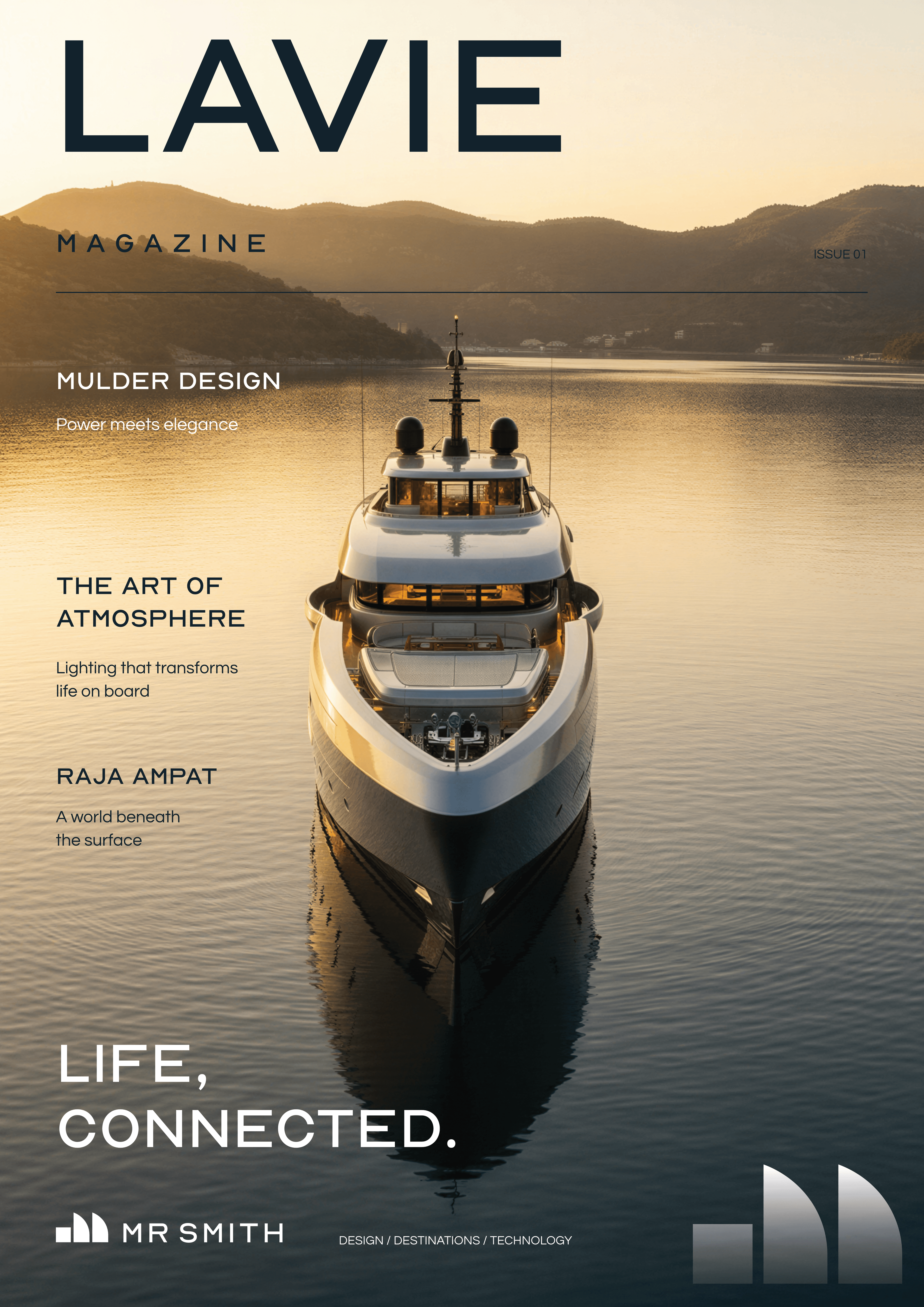
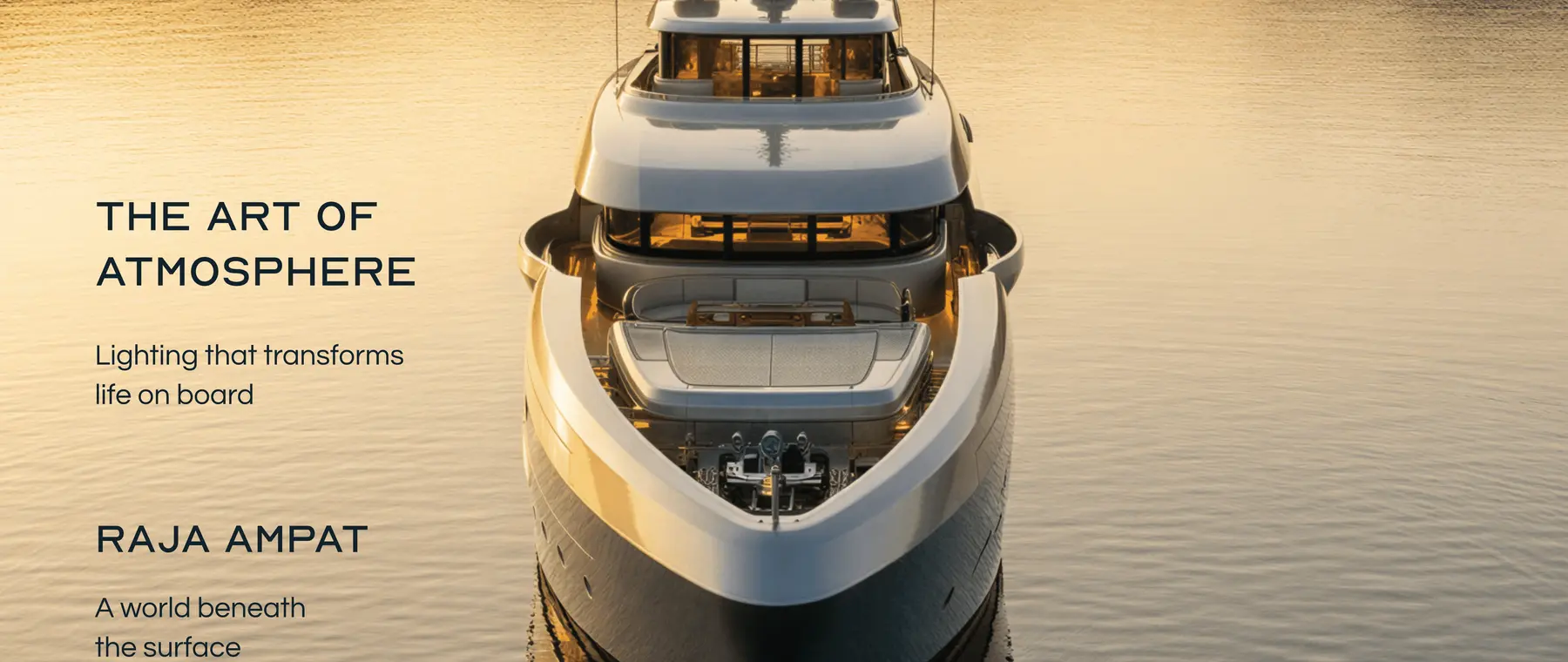
The official cover image is therefore relevant to illustrating this story. It demonstrates the actual publication rather than an unrelated yacht or a stock photograph. The image should be captioned as the first-edition LAVIE cover and credited to Mr Smith, without inventing the names of its designers.
A publication about high-value yachts can encounter commercially sensitive claims, including ownership, pricing and technical specifications. Reliable coverage should distinguish manufacturer statements, independent evidence and analysis. That principle applies whether an article appears in a specialist trade publication, a corporate magazine or an independent newsroom.
Mr Smith's launch notice does not provide a published editorial standards document or fact-checking record for every LAVIE feature. It would therefore be unsupported to assert particular review procedures. Readers can assess the actual articles and source references once they access the issue.
Suppliers may benefit from editorial formats that explain how their services fit into a yacht project. For example, an onboard technology story could connect user experience, engineering and maintenance rather than concentrating on an isolated device. Such content may help potential clients understand the purpose of specialist services.
That is a potential benefit, not a proven sales outcome. The publisher has not disclosed orders generated by the magazine or a measurable increase in customer acquisition. Business results and reader engagement would need separate reporting.
A printed magazine can be browsed during meetings or kept as a reference, while a digital edition may be more convenient for readers working at sea or moving between countries. Both forms can help communicate with a geographically dispersed audience. Neither automatically guarantees wider reach or better engagement.
Mr Smith's announcement identifies complimentary exhibition copies and links to a PDF. It does not set out a complete global delivery programme. Any claims about ongoing distribution should therefore be checked against subsequent official announcements.
Launching in Amsterdam during a major marine exhibition situates LAVIE within an international professional network. Yacht equipment companies often serve customers across multiple countries, while vessels themselves can operate far from the supplier's home market. A publication covering that environment may connect readers with ideas and individuals beyond one national industry.
The event setting does not mean every visitor received a copy or that the new title has a verified global circulation. The first-edition debut is the meaningful confirmed milestone.
A first issue is an introduction to a publication's visual language and subject choices. Continued success would depend on producing useful future editions, maintaining the confidence of readers and managing the costs of content production. Those are challenges for any specialist magazine, regardless of the industry.
The current report does not identify a second edition, a publication calendar or a dedicated advertising rate card. It is best described as a first-edition launch rather than an established monthly or quarterly title.
The source confirms that Mr Smith introduced LAVIE Magazine at METSTRADE 2026 and described its subjects as technology, destinations, yachts and people across luxury yachting. It also identifies a stand where complimentary copies were offered and an official page linking to the digital edition.
It does not support invented circulation figures, named advertisers, exclusive interviews, future issue schedules or assertions of awards won by the magazine. A focused report can be useful without adding those claims.
LAVIE's launch reflects a decision by a technical supplier to communicate through a broader editorial medium. That is noteworthy because superyacht ownership depends on the intersection of technology, design, professional service and experience. The intended audience includes the people who commission, use and maintain large yachts.
As a confirmed first edition, the magazine offers a new channel for those subjects. The development should be judged initially as a completed publishing launch at METSTRADE 2026, with any future readership, editorial influence and commercial results to be documented separately.
Primary source: Mr Smith AV/IT for Superyachts first-party LAVIE launch, 10 November 2026.
Cover: Mr Smith / LAVIE Magazine, official first-edition cover issued with its 2026 METSTRADE launch. Official source.
Explore
Go deeper into the yachts, companies, events and destinations directly connected to this article.
Continue reading
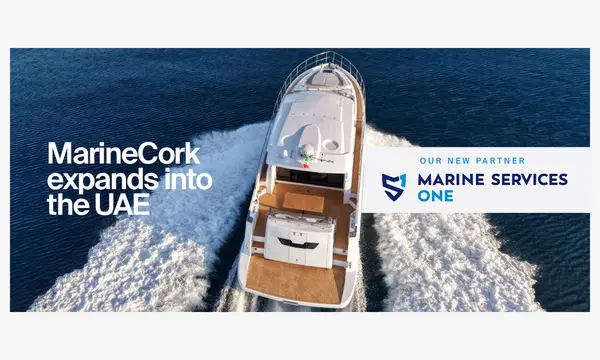
MarineCork confirms a new UAE partnership with Marine Services One to distribute natural cork decking for professional yacht maintenance and refit.
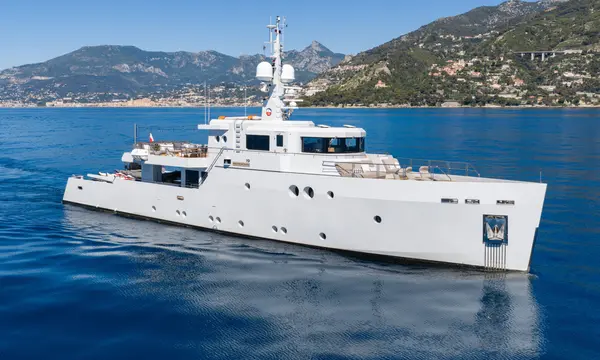
TWW Yachts is central charter agent for refitted 36.4m Tansu PREFERENCE 19.
Siebensee confirms its yacht-specific Aera outdoor furniture collection won a 2026 SBID International Design Award for contract furniture.
Australia’s Ocean Alliance is now central agent for 44-metre Benetti MORE after a Boat Style refit, with Western Australian and Kimberley charter programmes.
Superyacht Guide
Continue into the wider Superyacht Guide.
Business opportunities · Superyacht Guide
Companies serving the superyacht market can discuss clearly identified advertising, sponsorship and business-profile opportunities. Commercial activity remains separate from independent editorial coverage.