SEA.AI and Anschütz Integrate Machine Vision into Autonomous Navigation
SEA.AI and Anschütz are integrating optical and thermal machine vision with the Autonomics Navigation Suite to strengthen bridge situational awareness.
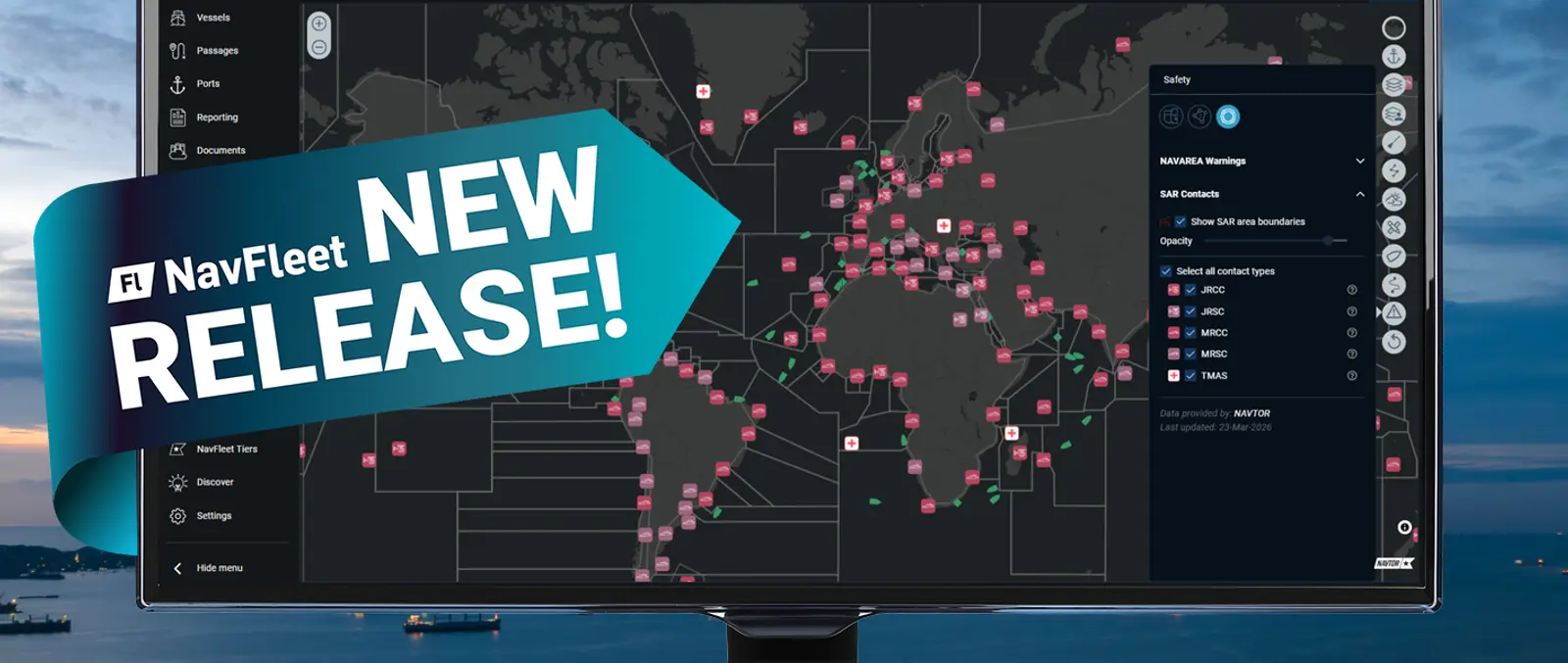
Image: NAVTOR
NAVTOR’s NavFleet 2.7 introduces centralised passage-plan settings that shore teams can configure and distribute to vessels across a managed fleet.
NAVTOR has released NavFleet 2.7 with a new passage-plan settings function that allows shore teams to configure planning parameters and distribute them to vessels. The change is intended to improve consistency across managed fleets by moving part of voyage-planning governance into a centralised digital workflow.
The release is commercial-shipping technology rather than a yacht-specific product announcement, but the operating concept is relevant to large yacht-management fleets. Companies responsible for several yachts face the same challenge of maintaining common navigation standards while leaving the master and bridge team responsible for the safety of each individual voyage.
NAVTOR says shore teams can define approved passage-plan settings in NavFleet and distribute those settings to vessels. The aim is to reduce variation between ships and make it easier for management teams to confirm that voyage planning follows company standards.
Central settings can be useful for route checks, safety margins and standardised planning workflows, particularly when crews rotate between vessels. They also create a clearer administrative record of what the company expects, which can support audits, training and post-voyage review.
Moving configuration ashore does not mean a remote office should plan a voyage without regard to the vessel's actual condition and local circumstances. Draught, weather, traffic, equipment status, notices, pilotage and changing navigational hazards still require judgement by the bridge team preparing and executing the passage.
For superyacht management companies, the useful distinction is between standards and command. A shore organisation can define consistent planning rules and monitor compliance, while the captain and navigating officers still need authority to adapt the route when the yacht's real operating situation demands it.
The release also expands the NavFleet environment with worldwide search-and-rescue information and updates to the company's mobile tools. NAVTOR positions these additions as part of a broader effort to connect ship and shore through shared routes, documents, charts, certificates and operational data.
That connected model mirrors developments already visible in large-yacht technical management, where shore teams increasingly receive machinery data, cybersecurity alerts, class information and planned-maintenance status. Navigation governance is another area where digital platforms can create a common operating picture without physically placing shore personnel on the bridge.
A single privately operated yacht may gain limited value from fleet-wide standardisation, but management companies responsible for multiple vessels can benefit from common passage-planning practices. The larger the fleet and the more frequently crew move between yachts, the more useful consistent digital configuration can become.
The technology also raises governance questions that yacht managers should address before adoption, including permissions, change control, cybersecurity and the boundary between advisory shore functions and the master's authority. NavFleet 2.7 shows how voyage planning is becoming more connected, but safe navigation still depends on how well that connectivity is governed in practice.
Continue reading
SEA.AI and Anschütz are integrating optical and thermal machine vision with the Autonomics Navigation Suite to strengthen bridge situational awareness.
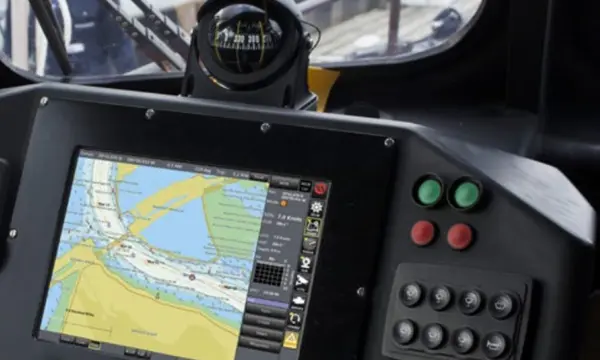
The MCA is consulting on replacement Safety of Navigation Regulations for 2027, updating the UK implementation of SOLAS Chapter V and its navigation requirements.
Can a Superyacht Transit the Suez Canal? Fees, Security and Planning Yes. Tourist yachts can transit the Suez Canal, with current Suez Canal Authority …
Can a Superyacht Transit the Panama Canal? Cost, Size and Booking Yes. Superyachts transit the Panama Canal, but tolls, booking options, pilotage and scheduling …
Superyacht Guide
Continue into the wider Superyacht Guide.