Northrop & Johnson Cuts 29m LADY EILEEN II to $2.9m
By Superyacht Guide Newsroom · Edited by Superyacht Guide Newsroom
Northrop & Johnson Cuts 29m LADY EILEEN II to $2.9m | Original cleared SYG Nov25 batch10 lady
Northrop & Johnson cuts the asking price of the 29m New Ocean LADY EILEEN II by $400,000 to $2.9m, with Martin Holmes handling the brokerage listing. This is.
Northrop & Johnson has announced a $400,000 asking-price reduction for the 29-metre New Ocean motor yacht LADY EILEEN II, bringing the advertised figure to $2.9 million. The brokerage published the change on 25 November 2026 and identifies Martin Holmes as the yacht's listing broker. The adjustment is a specific commercial development concerning a named, existing vessel. It is not confirmation of a sale, nor does it establish what a buyer would eventually pay after inspection and negotiation. That distinction is particularly important in yacht market reporting, where published asking figures can be mistaken for completed transaction evidence.
The 2007-built motor yacht is presented as a raised-pilothouse, semi-displacement platform intended for extended private cruising. Northrop & Johnson reports a volume of 165 gross tonnes and describes a strong emphasis on accessible exterior circulation and practical living arrangements. These attributes make the yacht relevant to owners seeking long-distance capability without moving into the larger 40- or 50-metre segment. The new price is significant because prospective buyers can compare the vessel's age, condition, equipment and operating requirements against other offerings in the roughly 29-metre market. Those comparisons require more than the headline reduction.
New Ocean built LADY EILEEN II in 2007, under Bureau Veritas supervision and survey according to the selling brokerage. The seller's representative describes a raised pilothouse, wide side decks and protected aft areas, with additional Kevlar incorporated into her construction. The brokerage mentions two layers of Kevlar as a structural feature; without access to original laminate or structural drawings, an independent article should not infer exact material placement, class notation or particular damage resistance. The useful takeaway is the owner's original choice of a practical cruising arrangement supported by attention to structure.
A raised pilothouse can separate watchkeeping from the activities taking place in the principal saloon and guest spaces. This arrangement often appeals to owners who spend significant time aboard because it protects the working navigation area and creates more distinct zones for crew and guests. The exact bridge visibility, sightlines, ventilation and noise levels are matters for onboard inspection, not claims that can be settled from a brokerage description. A buyer should examine the as-built arrangement and any subsequent modifications. Even on a yacht with a known yard history, individual execution and maintenance remain decisive.
Northrop & Johnson lists two Caterpillar C32 ACERT diesel engines rated at 1,825 horsepower each. The quoted maximum speed is 22 knots, with a 14-knot cruising speed. Those figures indicate a yacht able to combine relatively brisk regional passages with a more comfortable operating mode, but they cannot stand alone as a fuel budget or sea-condition guarantee. Vessel loading, maintenance, fouling and the weather can all affect the speed actually achieved. Independent checks of recorded performance and machinery condition are essential before an owner relies on those specifications for a particular voyage programme.
The equipment list also includes Naiad stabilisers, a hydraulic bow thruster, an electric stern thruster, and Onan generators rated at 40kW and 22.5kW. These are relevant systems because their operating hours, servicing requirements and compatibility with the main machinery affect both reliability and life aboard. They are not merely decorative options that can be valued from listing photographs. A buyer should request serial-number information, records of generator maintenance, thruster inspections and stabiliser servicing. The brokerage describes low engine hours, but a buyer must confirm the actual readings and usage history rather than substitute that phrase for documentation.
The yacht accommodates eight guests in four en-suite cabins. The brokerage describes a full-beam master suite, with additional soundproofing, plus two double cabins and one twin. This arrangement can suit a family with guests or an owner who prefers to use a smaller number of spacious cabins rather than maximise headline guest capacity. Yet a cabin count does not reveal how corridors, steps or storage affect daily comfort. For an extended cruising programme, owners should assess noise, privacy, air-conditioning distribution, mattress access, locker space and how easily the crew can service accommodation without disrupting guest use.
On a yacht of approximately 29 metres, one of the most important questions is how accommodation and technical systems have been kept accessible as the vessel ages. Maintenance may require entry behind panels and beneath cabinetry, and any previous upgrades should be documented so that the surveyor can identify equipment and routes. A full-beam owner's cabin can make effective use of internal volume, but acoustic comfort varies with the proximity of machinery and with operation underway. Published descriptions are a useful map for an inspection, not a replacement for that inspection.
The yacht's principal saloon is described as bright and substantial, with a dining area forward. The galley is separated from guest areas and positioned forward on the main deck. That layout has practical implications for provisioning, meal service, hygiene, storage and crew circulation on extended voyages. Owners who host guests for several days may attach more value to an efficient galley and quiet service route than to an additional decorative sitting area. The specific fit-out, cooling capacity and equipment inventory must nevertheless be checked with the current seller because installations may have changed since the vessel's 2007 delivery.
External circulation is also an important part of the arrangement. The sheltered aft deck, wide side decks and accessible foredeck support movement when guests and crew need to use different areas of the vessel. A Jacuzzi is among the advertised amenities, but its condition, heating system, water treatment and drainage require the same practical scrutiny as any installed equipment. For families and older guests, stairs, handrails and exposure to weather may be more important than the size of an exterior photograph suggests. These considerations explain the appeal of a deliberately practical yacht rather than establish its condition.
The new $2.9 million figure represents a $400,000 reduction from the previous advertised price. It is an observable change in the seller's public marketing position, not proof that a lender, valuer or surveyor has changed an independent assessment of the vessel's worth by precisely that amount. Asking prices are commercial proposals, and owners sometimes revise them to broaden buyer interest or reflect timing. Without a disclosed transaction or valuation report, it would be improper to infer a final selling price, a negotiation discount or a particular motivation for the seller's decision.
A yacht's market position is determined by far more than age and length. Hours, machinery condition, survey history, title, flag, compliance, interior presentation, tax circumstances, berth location and scheduled maintenance all influence a buyer's willingness to proceed. Two vessels from different yards with similar dimensions can require very different annual expenditure. A careful industry analysis therefore presents the new asking price together with the yacht's identified specification and treats subsequent agreement terms as confidential unless published. That is the correct way to interpret a brokerage price reduction.
The published equipment list provides a sensible starting point for due diligence. Potential buyers should confirm structural history, class and flag documentation where applicable, navigation and fire systems, generator servicing, stabiliser function, engine records, tanks, electrical distribution and the condition of movable fittings. Surveys should be appropriately scoped for the vessel's material, age and intended operation. No defects have been independently confirmed by the reporting source, and this discussion does not imply that LADY EILEEN II is damaged or deficient. Its purpose is to distinguish an advertised specification from current survey-backed knowledge.
A buyer may also wish to model annual crew costs, insurance, berth availability and refit reserves before agreeing terms. The size of the yacht can make her attractive to an owner upgrading from smaller vessels, but personnel and service requirements will differ substantially from a day boat. Questions about fuel consumption need verified real-world operating data, especially when comparing different cruising speeds. A pre-purchase financial plan should include contingency for unknown work and record clearly which costs are actual estimates rather than publicly established facts about the yacht's recent accounts.
Martin Holmes is the named Northrop & Johnson representative for the listing. Interested purchasers can request the current specification, photographs and inspection arrangements through the brokerage. A completed deal, change of broker or further price movement would each represent a distinct news event and should be reported only when confirmed. The current announcement establishes the revised figure and the characteristics the broker wishes to highlight; it does not reveal beneficial ownership, negotiating instructions or the details of any pending offers.
LADY EILEEN II is one illustration of the continuing market for established yachts whose arrangements were designed for practical, liveaboard use. The main story remains the newly advertised $2.9 million price and the verified specifications supplied by the selling brokerage. For owners and buyers, the useful response is to assess the yacht systematically, taking account of its structure, machinery, accommodations and ongoing costs. For the industry, the price change is a precise listing-data point rather than evidence of a general rise or decline in every part of the superyacht market.
Primary source: Northrop & Johnson official 25 November 2026 price reduction announcement.
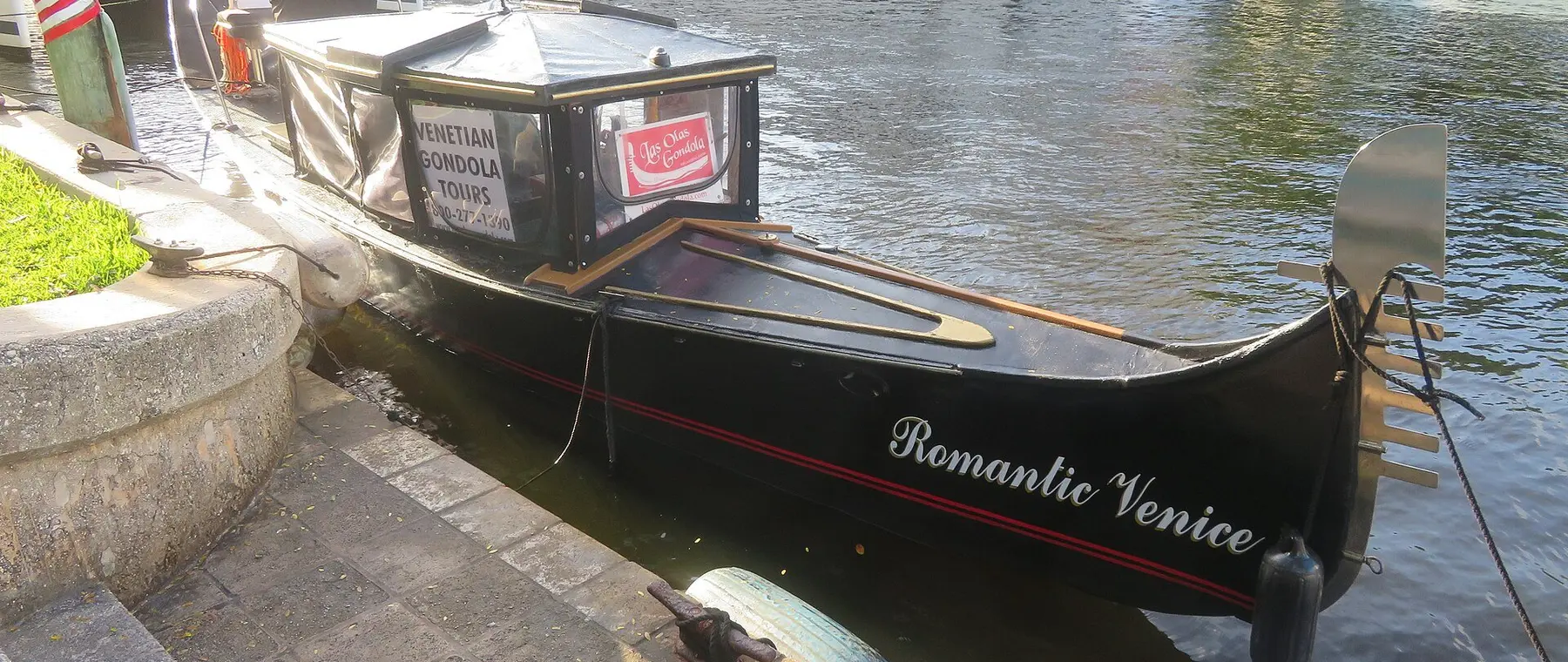
Archival photograph of boats in Fort Lauderdale, a US yachting hub; not LADY EILEEN II or its brokerage listing. Photo: Blake Handley; CC BY 2.0 via Wikimedia Commons. Resized for web. Official source.
Explore
Go deeper into the yachts, companies, events and destinations directly connected to this article.
Continue reading
Northrop & Johnson confirms sale of the 35.96m Sanlorenzo SD118 K2; Matt Palmer represented the buyer, while EKKA Yachts acted for the seller.
Northrop & Johnson reduces the asking price for the 38.76m Custom Line LA VETTA by €1 million to €18.5 million, detailing her 299 GT …
Northrop & Johnson confirms the sale of 37.19m Horizon RP122 MISS MICHELLE, last asking $13.5m, following a documented brokerage campaign for the 2025 yacht.
Delivered in 2023, Custom Line 120 TFB I joins the market at €11.9 million with a distinctive main-deck arrangement and a 25-knot reported top …
Superyacht Guide
Continue into the wider Superyacht Guide.
Business opportunities · Superyacht Guide
Companies serving the superyacht market can discuss clearly identified advertising, sponsorship and business-profile opportunities. Commercial activity remains separate from independent editorial coverage.

