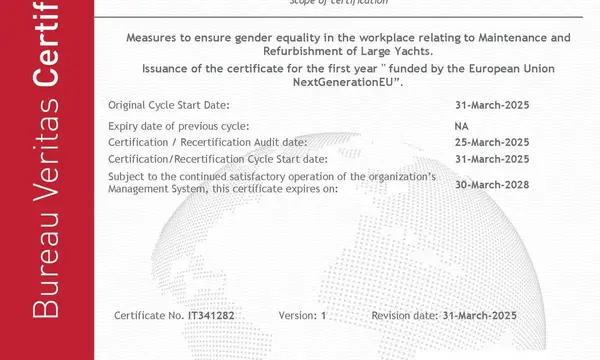
Cantiere Rossini Reports 25% Female Workforce After Audit
Cantiere Rossini renewed gender-equality certification in April 2026 and reported women in a quarter of its workforce and 40% of operational leadership.
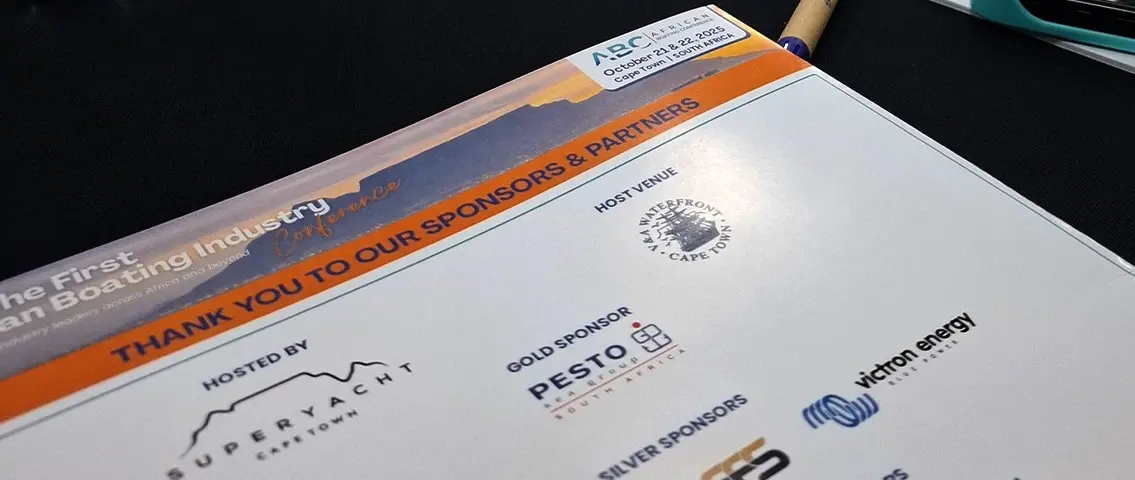
Pesto Sea Group South Africa backs the 2026 African Boating Conference in Cape Town as the region works on yacht access, service standards and cruising routes.
International yacht-services company Pesto Sea Group is backing the African Boating Conference in Cape Town on 20 and 21 October 2026, extending an involvement that began when the company established its South African operation in 2025. The latest announcement places the agency alongside an industry effort to make the southern African coast more practical for visiting superyachts, with attention focused on the real services captains and yacht managers need before committing to a new itinerary.
Pesto Sea Group South Africa is supporting the conference's second edition, which brings international operators together with local businesses, government representatives, marina specialists and companies involved in boatbuilding and maritime services. Its support follows the first conference in 2025, but this year's involvement is a separate commitment tied to a new set of discussions about improving cruising access and service readiness.
The event is scheduled for The Avenue at Cape Town's V&A Waterfront under the theme 'Boating as a Catalyst for Economic Growth'. Organisers envisage a mixture of panel discussions, industry visits and meetings intended to identify practical developments rather than relying solely on the scenic appeal of South Africa's coast.
Southern Africa already has shipbuilding skills, busy commercial ports and distinctive cruising areas, yet attracting a greater number of visiting superyachts is a more complicated proposition than simply offering berths. Captains need clarity about entry and customs procedures, immigration, insurance requirements, provisioning, fuel availability and safe access to technical assistance.
Shipyard capability is equally important. A vessel may be willing to undertake a longer passage if dependable engineers, electricians, lifting facilities and specialist suppliers are available when unexpected maintenance becomes necessary. A beautiful destination with uncertain turnaround times for parts or restricted marina services can be difficult to include in a time-sensitive programme.
The industry discussion therefore includes port access, marina infrastructure, refit and repair, regulatory facilitation, consistent service standards and the development of viable cruising routes. These are areas in which international agency businesses can contribute experience, while domestic firms and authorities must determine which solutions are realistic in their own markets.
Yacht traffic can also bring economic benefits beyond berth charges, including local transport, hotels, provisioning, tourism, technical trades and professional services. Those benefits become more durable when opportunities reach local companies and skilled workers, rather than remaining tied to a small number of short visits.
Pesto Sea Group's services include port formalities, yacht agency assistance, logistics, provisioning and technical coordination, activities developed through decades of work with owners and captains in established Mediterranean destinations. Its South African operation was launched with local partners in 2025, providing a base for translating that experience into a different maritime and administrative setting.
The company is taking part in the African Superyacht Working Group and engaging with stakeholders connected to Southern Africa's Superyacht Action Plan. These activities reflect an industry-development role in addition to day-to-day support for vessels, but they should not be confused with evidence that new regulations have already been enacted or specific new marinas have been approved.
Chief executive Fabio Pesto has said that his aim is to collaborate with local businesses and authorities and share experience about the standards owners and captains expect. The approach is particularly relevant where a destination is attempting to grow its international reputation without imposing a copied operating model that ignores local conditions.
On the conference side, organiser Veda Pretorius has emphasised the need for dialogue between the experience of overseas yacht operators and the knowledge of African businesses and public authorities. That is a useful distinction: a service improvement that works in an established Mediterranean port may require a different sequence of approvals, investment and training in another part of the world.
For yacht managers considering southern Africa, an effective outcome would be greater predictability about services and voyage planning rather than a single promotional campaign. Published arrival procedures, coordinated agency support, dependable berth and repair options, and realistic information about cruising legs would all reduce uncertainty when constructing a programme for owners and guests.
Any broader cruising network will also require cooperation across national boundaries. Different ports and jurisdictions cannot be treated as interchangeable, so consistent advice from experienced local operators remains essential. The ability to arrange crew changes, customs clearances and technical services is often decisive for yachts operating to tight schedules.
The Cape Town meeting also has a wider industry audience, with representatives from boatbuilding, finance, tourism, waterfront development and government expected to attend. Gulf Craft and Oceanco are among the international companies represented in the announced speaker programme, making the superyacht sessions relevant to builders as well as operational service providers.
The announcements describe cooperation and intended development, not the completion of a new port facility or proof of a measurable increase in yacht arrivals. The practical test after the conference will be whether stakeholders turn proposals into transparent procedures, capable local services and investment that helps crews and owners operate with confidence.
With the event approaching on 20 October, Pesto's renewed support marks a further effort to connect the country's existing maritime strengths with the needs of internationally cruising superyachts. The story's significance lies in operational groundwork, where clear rules and reliable services can eventually be as persuasive as a memorable anchorage.
Continue reading
Cantiere Rossini renewed gender-equality certification in April 2026 and reported women in a quarter of its workforce and 40% of operational leadership.
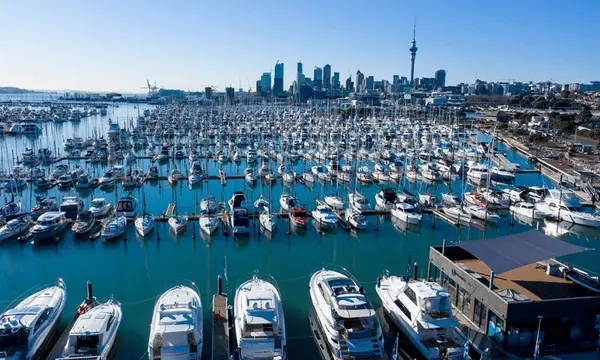
SeaKeepers South Pacific announced a July 2026 partnership with three Auckland Council marinas to widen access to citizen science and conservation programmes.

Northern Lights has expanded Diesel Marine NZ’s distributor role to cover marine generators, Lugger engines and Technicold equipment across the South Pacific.

AkzoNobel and Axalta have announced Axanzo as the name for their proposed future combined coatings company, while marine products remain with existing suppliers.
Superyacht Guide
Continue into the wider Superyacht Guide.
Business opportunities · Superyacht Guide
Companies serving the superyacht market can discuss clearly identified advertising, sponsorship and business-profile opportunities. Commercial activity remains separate from independent editorial coverage.