
Fraser Discusses Changing Superyacht Charter Demand at IMM LUX
Fraser charter broker Rita Luskovic joined the October 2026 TravMedia IMM LUX UK summit, discussing how younger wealthy travellers are reshaping charter expectations.
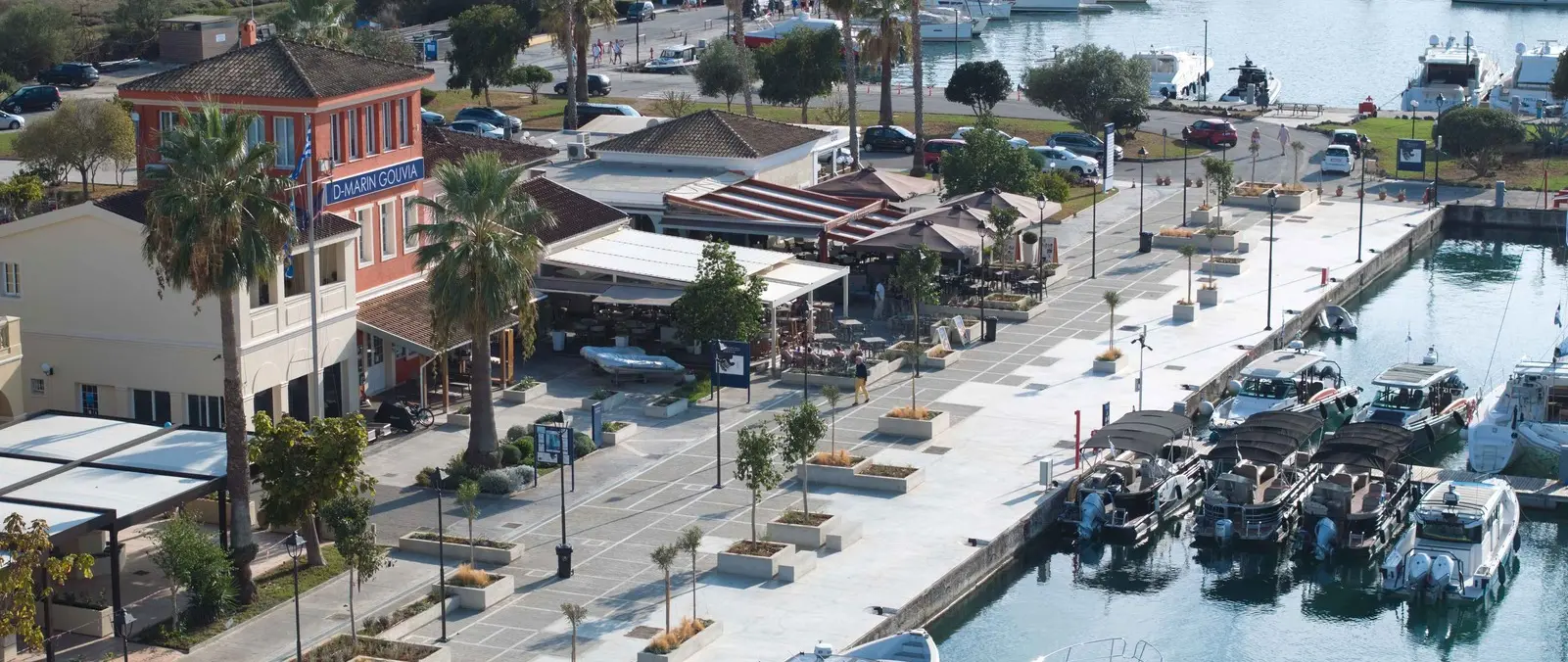
A new market report examines competition for premium Mediterranean berths as D-Marin's Gouvia Marina illustrates how operators expand capacity for yachts up to 50 metres.
Securing a berth in the most sought-after parts of the Mediterranean is becoming a strategic question for owners of large yachts, with investors and operators competing to develop scarce premium marina space. A Financial Times report published on 21 October 2026 examines how growing private wealth and demand for larger craft are putting particular pressure on waterfront infrastructure that is difficult and expensive to expand.
The article points to physical and regulatory constraints along popular coastlines. A protected berth suitable for a superyacht above 24 metres needs more than a vacant strip of quay: approach depth, manoeuvring room, high-capacity shore utilities, access for contractors and a reliable operating team all shape whether the location can safely serve a particular yacht.
The report cites broad estimates of approximately 210,000 yachts longer than 12 metres and around 160,000 marina berths worldwide. These figures should not be treated as an exact deficit of 50,000 suitable superyacht berths, because the underlying boat lengths, berth dimensions, geography and mooring alternatives are not identical. A berth intended for a 12-metre family cruiser cannot be counted as suitable for a 60-metre yacht.
For owners and captains, availability is specific to the vessel. Length overall, beam, draft, displacement, shore-power requirements and intended arrival dates all matter, along with whether a marina provides secure access and appropriate clearance for tenders. The concentration of demand in July and August can make a regional shortage more acute even when facilities elsewhere have spare capacity.
Waterfront land with deep water, good weather protection and nearby airports is inherently limited. Adding pontoons may be possible at some marinas, but building entirely new facilities often requires environmental studies, navigation assessments and long permitting processes. Those hurdles can protect existing operators from competition while also making expansion complicated for communities and public authorities.
The Financial Times highlights investment interest in marina portfolios and the consolidation of operating businesses. Such transactions demonstrate confidence in the sector, yet they do not ensure that the new owner will immediately create extra berths. Investment can also fund utilities, security, maintenance, staff training and better operating systems within an existing footprint.
D-Marin's Gouvia Marina on Corfu offers a useful example of the incremental approach. The operator states that the marina has capacity for approximately 1,200 boats, with facilities for yachts up to 70 metres. The group has also reported an €8.5 million programme that created 104 additional berths for vessels up to 50 metres, alongside new land-side dry storage and infrastructure upgrades.
These are operator-published figures for Gouvia, not evidence that a 70-metre berth will be open on any requested date. The distinction between maximum vessel size and confirmed bookable availability is critical. A 55-metre captain must verify the particular berth geometry, power provision, water depth and local arrival conditions rather than rely on the marina's headline total capacity.
The price of a premium superyacht berth reflects the location and its scarcity, but also the availability of services and the vessel's physical requirements. Seasonal contracts, short visits during events and annual agreements can carry substantially different terms. An owner may also need to budget for electricity, water, waste collection, security arrangements and shoreside services beyond the basic mooring cost.
Some exceptionally desirable locations have experienced rising fees over time, but there is no single Mediterranean percentage increase that can be applied reliably to every marina. Charter managers and owners' representatives should compare total contracted costs and practical terms with the value of proximity to airports, provisioning and destinations.
Marina projects can attract spending from visiting yachts, support specialist trades and improve parts of the public waterfront. They can also raise concerns about access, the character of historic harbours and the pressure placed on nearby businesses and housing. The Financial Times report raises the possibility that the increasing premiumisation of waterfront facilities could erode some of their longstanding local atmosphere.
The best outcomes require a balance between commercial investment and public interests. Environmental considerations such as seagrass protection, waste collection and water quality can be especially important when a marina expands within a sensitive bay. No amount of potential berth revenue removes the need for proper scrutiny of those impacts.
Owners travelling with a large yacht can reduce uncertainty by treating berthing as part of route planning from the outset. Relevant details should be sent to marinas well before the intended visit, and captains should confirm that the quoted berth is suitable for the yacht's particulars. Some locations offer anchorage and tender arrangements, but those alternatives depend on local rules, weather and guest expectations.
Background on the wider economic pressures appears in the Financial Times report of 21 October, while D-Marin publishes the Gouvia facilities and capacity and details its 2026 infrastructure investment. These sources offer different perspectives: market commentary and specific facts from an operator.
The conclusion for a superyacht captain is straightforward. High-end berth scarcity cannot be understood from a single headline count, and reliable planning still depends on contacting individual marinas, confirming arrangements and keeping alternatives available when weather or itineraries change.
Continue reading
Fraser charter broker Rita Luskovic joined the October 2026 TravMedia IMM LUX UK summit, discussing how younger wealthy travellers are reshaping charter expectations.

Burgess says charter days booked increased 35% in 2025, with demand also rising in the 40–60m sectors and winter 2026/27 bookings well ahead of …
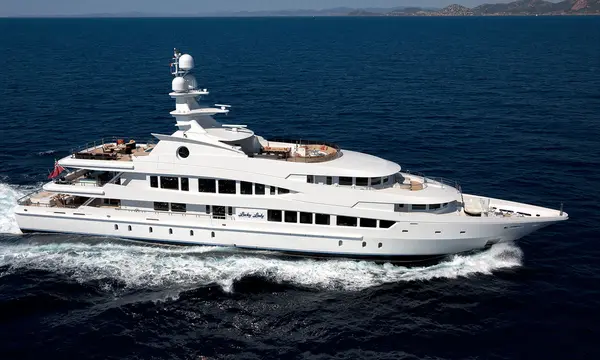
IYC has welcomed the 63m Oceanco LUCKY LADY to its global charter fleet, accommodating 11 guests in five cabins with a crew of 15.
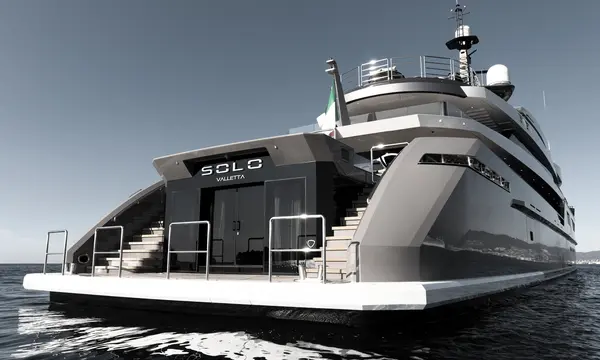
The 72-metre Tankoa built as SOLO is currently presented by Northrop & Johnson as CASINO ROYALE in both its sale and charter portfolios.
Superyacht Guide
Continue into the wider Superyacht Guide.
Business opportunities · Superyacht Guide
Companies serving the superyacht market can discuss clearly identified advertising, sponsorship and business-profile opportunities. Commercial activity remains separate from independent editorial coverage.