Company
Trieste and Monfalcone Superyacht Hub
Explore the company profile and related Superyacht Guide coverage.
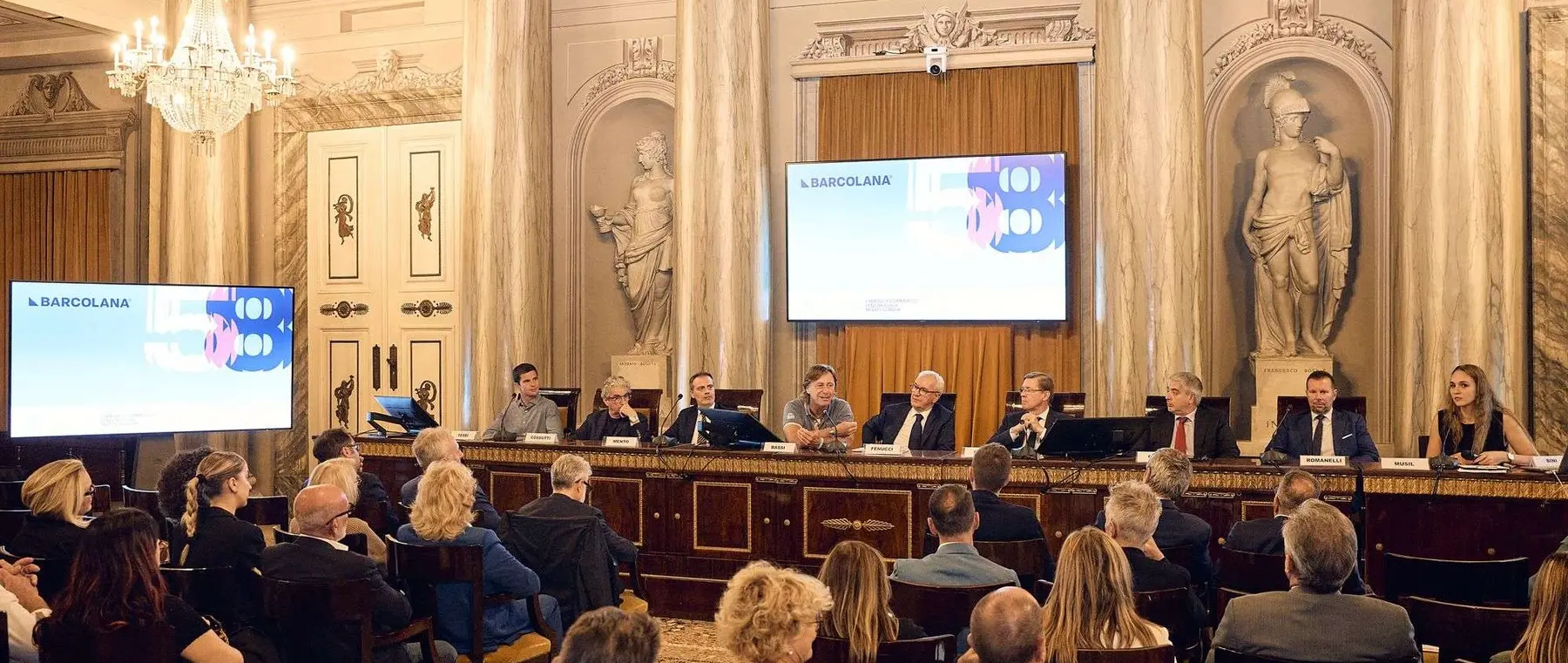
Trieste's Barcolana58 conference explores a Porto Vecchio superyacht marina and refit cluster for vessels over 50m, with free-port options still under discussion.
A conference held during Barcolana58 on 9 October 2026 placed superyachts over fifty metres at the centre of a proposal for Trieste's waterfront economy. Organised by Barcolana and the Venezia Giulia Chamber of Commerce, the meeting examined whether the city's shipbuilding heritage, industrial skills and Old Port area could support more construction, refit work and specialised berthing. Participants described an opportunity to turn separate businesses into a recognisable large-yacht industry cluster.
The most ambitious idea concerned a marina within Porto Vecchio, potentially benefiting from particular free-port arrangements. That is a proposal discussed by stakeholders, not a completed marina, granted tax status or approved construction contract. Any such project would need legal, planning, environmental and financial review before boats could berth there. The significance of the meeting lies in assembling a credible regional discussion about the facilities increasingly demanded by very large yachts.
Trieste has long served commercial shipping and maritime engineering, giving the city access to technical trades and facilities that are relevant to large-yacht work. Naval architecture, fabrication, coatings, electrical systems and heavy lifting are among the disciplines needed for complicated refit projects. Yet a port successful in commercial shipping does not automatically offer the hospitality, security and specialist owner services expected by privately operated superyachts.
The conference sought to explore how those capabilities might be coordinated. A refit yard may be able to handle structural repairs but still need reliable supply of custom joinery, navigation equipment or marine upholstery. Likewise, a marina needs agents, technical contractors and trained personnel rather than merely a deep berth. Building a cluster requires active coordination between private firms, public authorities and port operations.
Speakers described a potential competitive advantage if the Old Port could offer a superyacht marina with appropriately established free-port treatment. In international yachting, customs and tax arrangements influence maintenance scheduling and the legal status of privately and commercially registered vessels. However, no business should assume a general port designation automatically determines the tax position of a particular yacht.
Owners would need qualified advice on temporary admission, VAT, the movement of goods, crew requirements and the location where services are performed. These questions vary with flag, registration, ownership and intended operations. A well-designed policy could simplify certain procedures, but careless claims of tax-free yacht ownership or refit would be misleading. The value of a future Trieste facility will depend on clear rules and practical administration.
At the meeting, speakers cited an international order book of 1,093 superyachts under construction, of which 568 were associated with Italy, giving the country roughly 52 per cent of the cited total. The figures were offered as market context, not independently verified 2026 fleet statistics for every yacht of every length. They help explain why regions with existing marine industrial bases want a share of projects that remain valuable through decades of ownership.
A large-yacht contract can support many specialist suppliers beyond the original builder. Refit work recurs over the vessel's life, involving surveys, machinery, coatings, hotel systems and eventual changes to interior arrangements. Attracting only one spectacular new-build project is less useful than establishing the capacity to serve a varied fleet reliably over many years.
Participants included Gianluca Fenucci of Trieste Shipyards, Enrico Samer of Samer & Co. Shipping, Marino Quaiat of Quaiat Yard, Roberto Mento of NavalHEAD and designer Maurizio Cossutti. Their presence demonstrates the breadth of skills potentially available, from construction and logistics to naval engineering and design. None should be presented as the sole developer of a marina that remains a proposal.
A shipyard might lead a new-build or major repair programme, while a shipping agency manages arrivals and customs, and a designer develops a yacht's spatial and performance requirements. The reliability of a regional offer depends on whether these specialists can work to coordinated quality and safety standards. Competition among businesses can remain healthy while infrastructure and training priorities are developed collectively.
A major superyacht refit needs adequate water depth, safe moorings and controlled access for trucks and contractors. Work on a hundred-metre yacht may require large covered areas or a dry dock, while smaller projects can be undertaken alongside suitable quays. Paint jobs need particular environmental safeguards, and any lifting method must be compatible with the vessel's displacement and underwater appendages.
Port development also brings responsibilities to residents and the surrounding marine environment. Dredging, surface-water treatment, noise, traffic and the handling of industrial waste require assessment before a business case is presented as a simple waterfront upgrade. If a new facility is to operate for decades, its energy infrastructure and maintenance plan should anticipate changes in the large-yacht fleet rather than only today's requirements.
Owners cruising the Adriatic need reliable border procedures, provisioning, qualified crew, medical support and access to airport connections as well as somewhere to berth. Larger vessels may also need higher electrical capacity and specialist waste services. Trieste's location near several central European markets could be commercially useful, but the quality of the service ecosystem will determine whether captains include the port in a normal itinerary.
The prospect of a destination that combines historic city life with practical yacht support is appealing. It still needs a workable division between public waterfront access, industrial operations and the privacy required by some owners. The most successful maritime developments make those functions coexist without turning a port into an inaccessible private enclave or making professional maintenance difficult.
The 9 October discussion included regional and chamber representatives who emphasised potential benefits for employment, tourism and the local marine economy. That political interest can support further feasibility work, but it does not substitute for a financing plan, an operator or the required permissions. A realistic project should define the size and number of yachts it hopes to accommodate and the types of repair it is able to deliver.
For the superyacht industry, the conference is worth attention because it connects a defined market—yachts over fifty metres—with a port that already possesses maritime expertise. The next meaningful milestones would be approved plans, a clear operating model and funded investment in specific facilities. Until then, Trieste's proposed leap into this segment remains an opportunity under discussion, not a completed expansion.
Explore
Go deeper into the yachts, companies, events and destinations directly connected to this article.
Company
Explore the company profile and related Superyacht Guide coverage.
Continue reading

Cantiere Rossini renewed gender-equality certification in April 2026 and reported women in a quarter of its workforce and 40% of operational leadership.
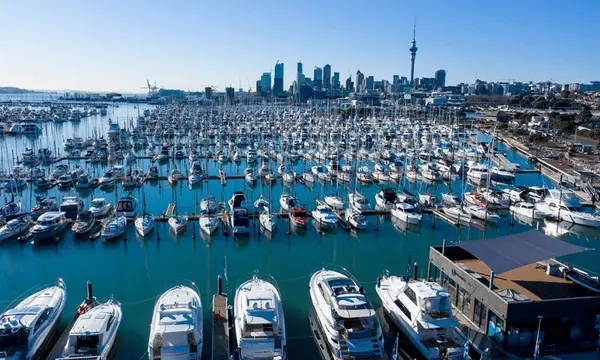
SeaKeepers South Pacific announced a July 2026 partnership with three Auckland Council marinas to widen access to citizen science and conservation programmes.
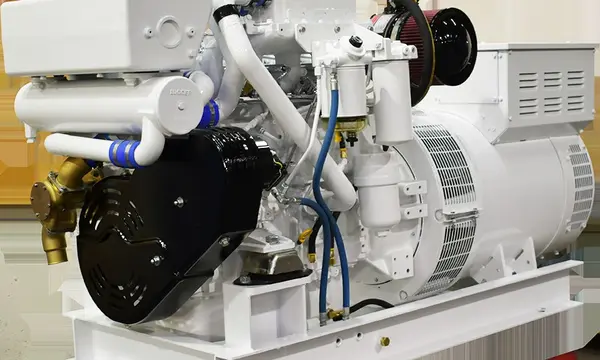
Northern Lights has expanded Diesel Marine NZ’s distributor role to cover marine generators, Lugger engines and Technicold equipment across the South Pacific.

AkzoNobel and Axalta have announced Axanzo as the name for their proposed future combined coatings company, while marine products remain with existing suppliers.
Superyacht Guide
Continue into the wider Superyacht Guide.
Business opportunities · Superyacht Guide
Companies serving the superyacht market can discuss clearly identified advertising, sponsorship and business-profile opportunities. Commercial activity remains separate from independent editorial coverage.