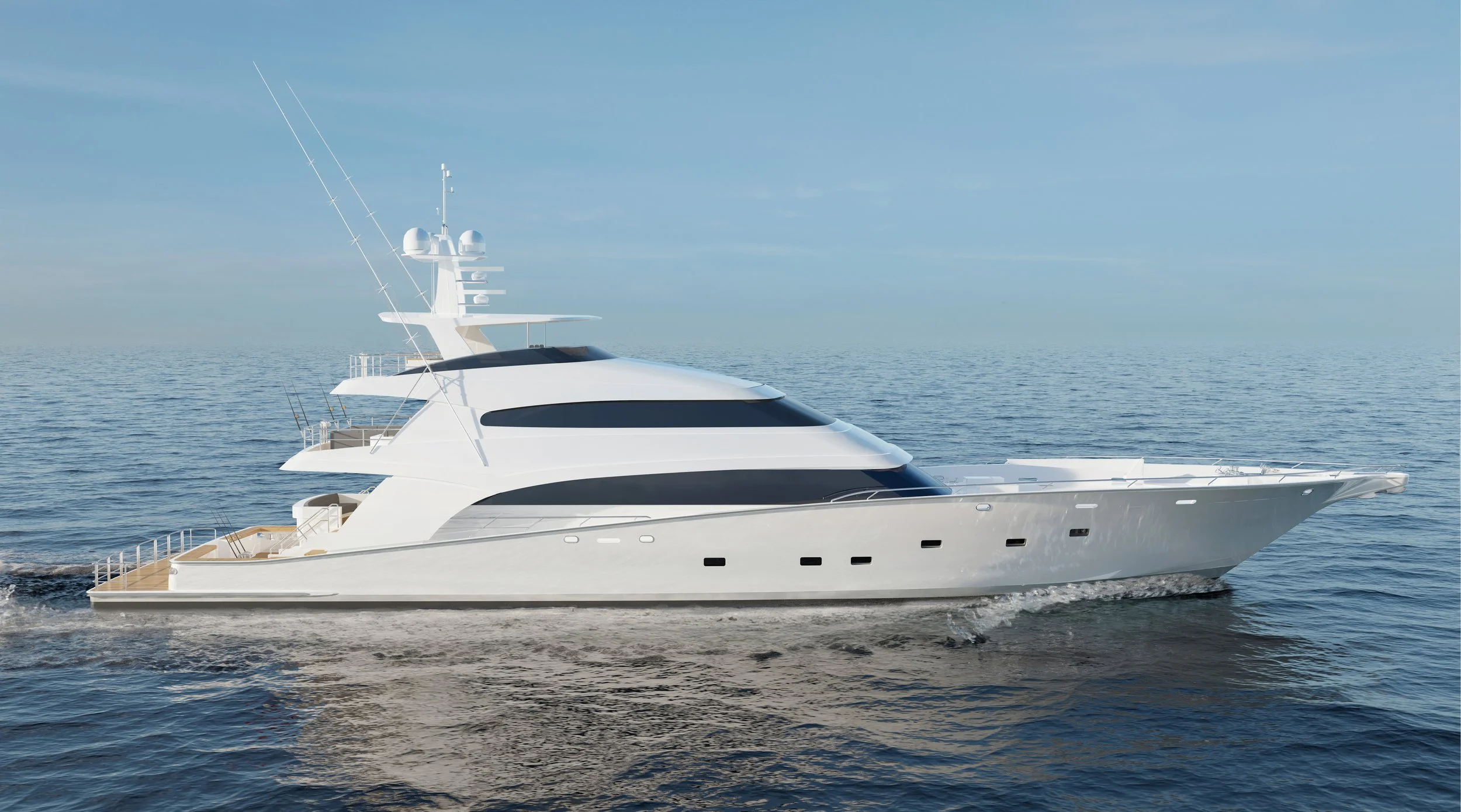
Yachting Developments Project YD1027, official Warwick 48m carbon-fibre sportfisher rendering

News

Yachting Developments Starts 48m Carbon-Fibre Sportfisher Project YD1027 in Auckland

Nov. 13, 2026 Shipyard

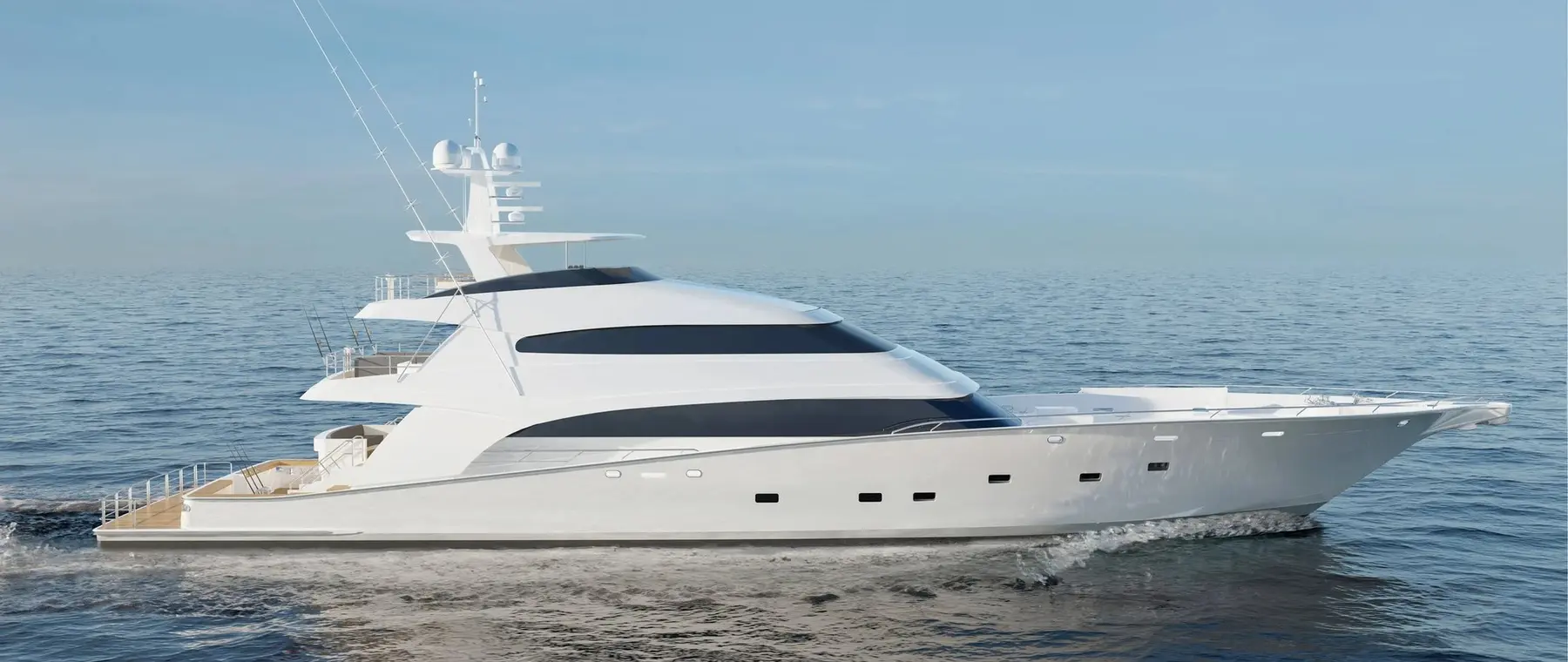
Yachting Developments Project YD1027, official Warwick 48m carbon-fibre sportfisher rendering

New Zealand's Yachting Developments has begun building the 48m carbon-fibre Project YD1027, designed by Warwick with fishing, diving and long-range capability.

A specialist construction programme in New Zealand Yachting Developments has confirmed that it is building a 48-metre carbon-fibre sportfishing superyacht at its Auckland facility, expanding a specialist programme that combines serious offshore fishing with extended private cruising. The yacht, designated Project YD1027, has been designed by Warwick Yacht Design and is the shipyard's fifth large sportfisher project. Industry reports published in November 2026 have brought fresh attention to the construction work and equipment planned aboard. The project is significant because it operates beyond the conventional boundary between a sportfishing boat and a superyacht, combining dedicated fishing and diving systems with the volume and finish expected from a custom vessel. It is under construction, not a yacht that has already been launched, delivered or tested at sea.

Carbon fibre is central to the build The shipyard describes the yacht as a carbon-fibre construction project, using composite technology suited to a demanding combination of speed, strength and onboard machinery. A large composite vessel can benefit from carefully designed structural weight and stiffness, but the material does not automatically guarantee performance or maintenance advantages. The actual outcome depends on laminate engineering, quality control, attachment design and the loads the yacht will experience. A 48-metre sportfisher may carry powerful propulsion machinery and substantial fishing equipment, creating complex local forces. Designers must also consider access for inspections and future repairs. The company's earlier carbon-fibre projects provide experience, while the new hull will still need its own documented engineering and testing programme.

Warwick Yacht Design established the concept Warwick Yacht Design is responsible for Project YD1027's design, including the profile and overall arrangement shown in the official shipyard renderings. The yacht's shape reflects a focus on serious bluewater operations rather than simply adding fishing rods to a conventional luxury motor yacht. A tall superstructure, large aft working area and features dedicated to offshore activity help explain the design philosophy. However, the visualisation is not a full technical drawing. Buyers and observers should avoid treating every apparent structure, opening or fitting as a confirmed item of installed equipment. The project will be judged by the completed hull, its engineering and the way its systems perform during commissioning and subsequent use at sea.

Outriggers and bait systems define the fishing mission The shipyard lists hydraulically operated outriggers and tanks for live bait among the vessel's equipment. Those features support a serious offshore sportfishing programme, where rigging and bait management must work reliably during prolonged activity. Hydraulic mechanisms need appropriate load ratings, maintenance access and safety procedures. Live-bait tanks also introduce water circulation and quality-control requirements that must be integrated with the yacht's seawater and electrical systems. Their location can influence working arrangements on deck and crew movement between storage areas and the stern. A conventional pleasure yacht might add fishing equipment as an occasional extra, but the specification of Project YD1027 indicates that fishing has been integrated into the concept from the outset.

A walk-in catch freezer adds another specialised facility One of the less glamorous but operationally important details is the inclusion of a walk-in freezer for the catch. It suggests planning for extended offshore activity rather than short fishing excursions close to shore. A freezer of this size requires reliable electrical power, insulation, ventilation and hygiene procedures, all of which should be considered in the design of the technical spaces. It may also influence storage for other provisions and the way crew handle equipment safely. The precise capacity and operating temperature have not been disclosed in the public announcement. It would be misleading to infer a particular daily catch volume or intended fishery from the fact that the yacht has a dedicated cold-storage installation.

Diving is a second core purpose Project YD1027 is also described as having diver lift platforms, a dedicated equipment room and Nitrox capability. These are specialised facilities that go well beyond the recreational snorkelling gear found on many motor yachts. A diver lift platform can help people enter and leave the water, particularly when carrying heavy equipment, but it must be operated within its rated limits and the captain's instructions. Nitrox diving introduces gas-handling, training and equipment requirements that should be managed by appropriately qualified personnel. The company has not published a complete dive-operation manual or technical certification package. A newsroom should therefore report the stated facilities without assuming the yacht is approved for every conceivable expedition or diving activity.

Twin MTU engines support the performance ambition The project is specified with twin MTU 16V4000M93L diesel engines, each rated at 4,651 horsepower according to the builder's current reporting. Yachting Developments anticipates a cruising speed exceeding twenty knots. That is a substantial performance target for a yacht of this length, particularly one designed to carry extensive equipment for offshore use. It remains a target, not an independently verified result from completed sea trials. The installed propulsion package will need to be considered together with exhaust, cooling, fuel capacity and shaft or waterjet arrangements as appropriate to the final design. Owners should distinguish the rated output of an individual engine from the power available at a given operating speed.

Range claims need the speed assumption Reports describe a projected range exceeding 3,000 nautical miles, without providing a consistent public statement of the speed at which that figure is achieved. It would be incorrect to assume the yacht can maintain more than twenty knots for the entire distance simply because both numbers appear in the specification. Fuel consumption generally rises substantially with speed, and hotel loads, reserves and weather also affect endurance. The technical team should prepare range curves that make the assumptions explicit. The result will be particularly important for a sportfisher intended to operate far from routine shore support. Prospective owners should seek current calculations and, once the yacht is launched, compare them with witnessed trials.

The project builds on four earlier sportfishers Yachting Developments traces its large sportfisher experience through several completed projects, beginning with the 27.5-metre SATU approximately seventeen years ago. The 39.5-metre LANAKAI followed, demonstrating how carbon-fibre construction could be used at greater scale. The shipyard also identifies projects YD1017 and YD1024 within its wider sportfisher portfolio. These hulls provide context for the present design and the specialist manufacturing experience available in Auckland. However, the new 48-metre yacht is a separate build and should not be confused with any of its predecessors. Fleet records should maintain the exact project identifier, as differences in length and construction stage can otherwise produce duplicate or misleading entries.

YD1027 is distinct from the earlier YD1026 The shipyard has also been associated with Project YD1026, a roughly 42-metre carbon yacht discussed in earlier industry coverage. YD1027 is a different project, measuring 48 metres and emphasising the fishing and diving capabilities described in the new public announcement. This distinction is especially important for a newsroom that has previously reported New Zealand composite-yacht construction. Similar names and close project numbers do not imply that one vessel has simply been stretched or renamed. The latest article concerns a specific new hull and stated construction progress. A verified build timeline would require the builder's current records rather than inference from the progress of an adjacent-numbered project.

The shipyard's Auckland base is part of the story Building a large custom composite yacht requires specialist infrastructure, skilled laminators, engineers and a controlled quality-assurance process. Auckland has a long-established marine industry with expertise in sailing, performance composites and complex refits. Yachting Developments' role in this sector is reflected in its ability to take on unusual projects that do not fit easily into high-volume yacht production. The announcement, however, does not specify the number of new employees or the full value of the contract, so those figures should not be invented. The confirmed significance lies in the continuation of specialist superyacht construction in New Zealand and the development of another large carbon-fibre sportfisher hull.

Fishing design must coexist with guest comfort A serious sportfisher often needs wide working decks, secure access to equipment and storage for gear, while a superyacht owner expects quiet cabins, social areas and a high standard of finish. Reconciling these demands is one of the defining challenges of the project. Fishing may involve wet decks, bait-handling facilities and rapid movement by crew, potentially conflicting with conventional guest circulation. A good design separates activities where necessary without limiting the owner's ability to participate. The public rendering provides an indication of the arrangement but does not fully explain the interior or the final service routes. Operational suitability will become clearer when detailed plans and the finished yacht can be examined.

A large tender and dive package affects engineering Diving and fishing gear can require cranes, storage spaces, pumps, compressors and dedicated electrical distribution. Equipment may be carried high or aft, influencing trim and stability calculations. Lifting arrangements also need to be designed around the actual loads and the conditions in which they will be used. The public project description includes diver lifts and dedicated rooms but does not provide the full machinery specification. Owners considering a similar yacht should account for the additional maintenance and staff training associated with specialised systems. The ability to carry a large inventory is useful only when the yacht can secure, deploy and service it safely during an extended programme.

Carbon structures demand specific quality control The use of advanced composites can offer design advantages, yet it places importance on manufacturing records, cure conditions and inspection methods. Structural connections between composite members and metallic machinery foundations require careful engineering, especially around concentrated loads. Regular maintenance should take account of damage that may not always be obvious from the surface. A yard with experience in high-performance carbon structures can bring valuable expertise, but the completed vessel must be tested against its actual design criteria. It would be misleading to attribute a quantified fuel-saving percentage or material-life advantage without the relevant study. The November release describes the build technology and intended capability, not an independent comparative performance trial.

Construction remains the current milestone The first-party shipyard statement confirms that Project YD1027 is under construction and describes its intended arrangement. It does not identify a final delivery date, disclose a contract value or provide results from sea trials. Those are future milestones that should be reported when confirmed. Work on a complex custom yacht can evolve as equipment is integrated, and design details may be updated before launch. Owners and industry observers should watch for progress photographs, completion of major structural stages, installation of machinery and formal commissioning. A rendering accompanying an announcement should never be described as a photograph of the finished yacht, however realistic the design appears.

A specialist project with wider industry significance Yachting Developments' 48-metre carbon-fibre YD1027 demonstrates the continuing appeal of yachts built around a specific owner's interests rather than a generic leisure layout. Its fishing equipment, dive systems and high-performance targets create a challenging but clearly defined technical brief. The programme follows previous large sportfishers while remaining distinct from other yachts at the yard. For Superyacht Guide readers, the development is a concrete ongoing construction project that brings together composite expertise, naval architecture and specialist offshore equipment. The decisive next evidence will come from the build itself and, eventually, the vessel's completed operational performance.

**Sources:** Yachting Developments' first-party Project YD1027 announcement and official Warwick Yacht Design rendering, corroborated by November 2026 industry build reports. Hero is the official render of an unfinished project, not a completed yacht or sea-trial photograph.

Primary source: Yachting Developments official first-party construction update for 48m Project YD1027.

Image: Yachting Developments / Warwick Yacht Design first-party project rendering; the 48m YD1027 is under construction, not launched or delivered. Official source image.

Photo licence and source

Image: Yachting Developments / Warwick Yacht Design first-party project rendering; the 48m YD1027 is under construction, not launched or delivered.

Continue reading

All news

Superyacht Guide

Explore the superyacht world

Continue into the wider Superyacht Guide.

Business opportunities · Superyacht Guide

Reach the superyacht industry audience

Companies serving the superyacht market can discuss clearly identified advertising, sponsorship and business-profile opportunities. Commercial activity remains separate from independent editorial coverage.