Find and purchase a superyacht
Understand brokers, offers, deposits, inspections, surveys, sea trials, contracts, ownership structures and completion.
Read the buying guide →Brokerage and ownership
Superyacht Guide brings together current broker-listed yachts with independent information about purchasing, selling and operating a superyacht.
The sale process extends far beyond an asking price. Buyers must consider representation, contracts, deposits, survey, sea trial, title, registration, tax, insurance, crew, management, refit and the continuing cost of ownership. Sellers must prepare the yacht, its records and its market position before serious negotiations begin.
This section is intended for prospective and experienced buyers, yacht owners, family offices, captains, brokers, lawyers, surveyors, managers, industry professionals and readers seeking a clearer understanding of the international yacht brokerage market.
Understand brokers, offers, deposits, inspections, surveys, sea trials, contracts, ownership structures and completion.
Read the buying guide →Examine central agency, valuation, photography, pricing, presentation, negotiations, surveys and the costs involved in a sale.
Read the seller guide →Review current sale listings, established brokerages, market intelligence, commissions and professional sale processes.
View current listings →Buying a superyacht
Buying a superyacht is not simply a matter of choosing the most attractive yacht within a price range. The correct vessel must suit the owner's intended cruising, guest numbers, operating area, crew structure, privacy requirements, maintenance tolerance and annual budget. Two yachts with similar asking prices can have very different future costs because of their age, volume, machinery, class status, flag, refit history and technical condition.
A buyer's broker begins by converting personal preferences into an acquisition brief. Length is only one part of that brief. Interior volume, gross tonnage, cabin arrangement, draft, range, speed, stabilisation, tender storage, crew accommodation, accessibility and commercial capability may all determine whether a yacht is genuinely suitable.
The publicly advertised market is also not the entire market. Brokers exchange central-agency information, discuss yachts that may soon become available and approach owners discreetly where a buyer has a serious requirement. A useful broker therefore provides access, market knowledge and transaction management rather than merely forwarding public listings.
The central agent normally represents the seller. A buyer may appoint a separate broker to search, inspect, advise and negotiate on the buyer's behalf. Both brokers can cooperate within the same transaction, but the buyer should understand who represents whom, how commission is allocated and whether any commercial relationship could affect the advice being given.
Legal, tax, technical and ownership advice should not be replaced by brokerage advice. A transaction may require maritime lawyers, corporate and tax advisers, surveyors, class specialists, flag-state consultants, insurance brokers, yacht managers and technical representatives. Their roles become particularly important where the yacht has charter history, finance, liens, unusual ownership arrangements or outstanding refit work.
Once commercial terms have been negotiated, the parties normally enter a written sale and purchase agreement. The MYBA Memorandum of Agreement is widely used in the international yacht market. It records the price, deposit, place and time of delivery, inventory, documentary obligations, sea-trial and survey procedures, acceptance or rejection rights and the conditions required for completion.
A deposit of approximately 10% is commonly associated with the professional purchase process, although the actual amount and timing are contractual. The deposit should be handled through an agreed stakeholder or escrow arrangement rather than paid informally without documented protections.
A sea trial demonstrates the yacht operating under agreed conditions. It is not a substitute for a full condition survey. The survey may include the hull, superstructure, machinery, generators, electrical systems, navigation equipment, safety equipment, tenders, domestic systems and records. Haul-out, ultrasound, oil analysis, class records and specialist inspections may also be required.
The buyer generally engages and pays the independent surveyor and associated inspection costs. The findings may lead to acceptance, rejection, repairs, a price adjustment or further negotiation, depending on the contract and the importance of the defects.
Completion requires more than transferring the purchase price. The buyer's advisers must be satisfied with title, ownership, deletion or continuation of registration, mortgages, liens, class documentation, inventories, certificates and the seller's authority to transfer the yacht. The buyer must also have the new ownership, registration, insurance, crew, management and operating arrangements ready to take effect.
Acquisition and ownership costs
A buyer should prepare an acquisition budget and a separate first-year operating budget. Professional costs incurred before completion can include legal advice, company formation, survey, haul-out, specialist inspections, class review, valuation, travel and technical representation. Tax and VAT treatment depend on the yacht's history, ownership, location and intended use and must be reviewed for the particular transaction.
After completion, expenditure begins immediately. Insurance, registration, crew, management, berthing, fuel, maintenance, class, compliance, communications, provisioning and refit work continue regardless of whether the yacht is used every week. A yacht purchased at an attractive discount can become expensive if major machinery, paint, class or interior work has merely been deferred.
| Cost area | What it may include |
|---|---|
| Transaction advice | Legal, tax, corporate, escrow and registration advice |
| Technical due diligence | Survey, sea trial, haul-out, class review, machinery and specialist inspections |
| Tax and delivery | VAT or sales tax analysis, delivery, positioning and documentary costs |
| Immediate works | Repairs, refit, paint, equipment upgrades, owner changes and safety work |
| Annual operation | Crew, fuel, berthing, insurance, maintenance, management and compliance |
| Working capital | Cash required for payroll, suppliers, spares, provisioning and unexpected work |
Sales commission is normally governed by the listing agreement between the seller and the central agent. It is commonly paid from the seller's proceeds at completion. Where a buyer's broker introduces the purchaser, the commission may be shared between the participating brokers under an agreed co-brokerage arrangement.
Commission percentages and divisions are commercial terms rather than a universal tariff. They can vary with the yacht, asking price, exclusivity, jurisdiction, marketing commitment and the number of brokers involved. Both buyer and seller should understand the arrangement before relying on the broker's representation.
Current brokerage inventory
Listings are shown only where Superyacht Guide has checked a yacht-specific official broker or central agent source. Asking prices and availability can change without notice and must be reconfirmed before relying on them.
13 current sale listings.
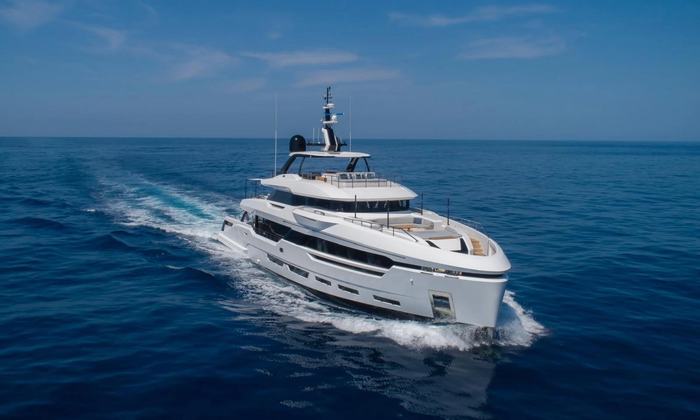
Listed by Camper & Nicholsons
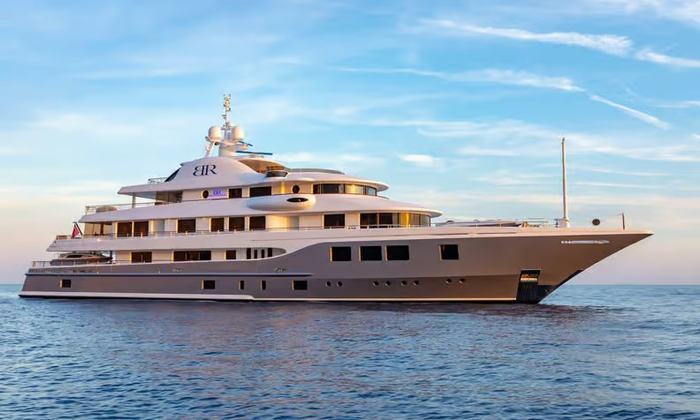
Listed by Burgess
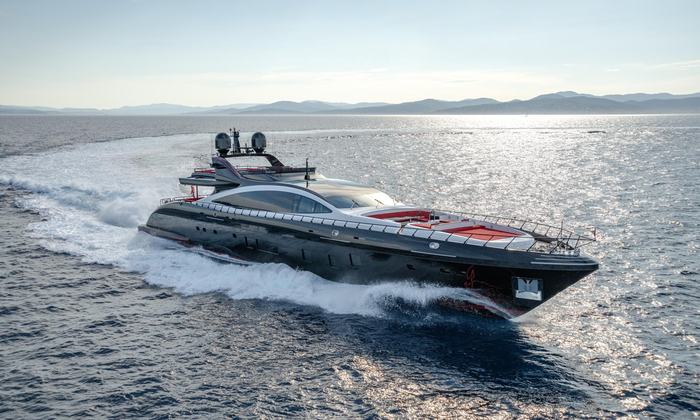
Listed by Camper & Nicholsons

Listed by Burgess
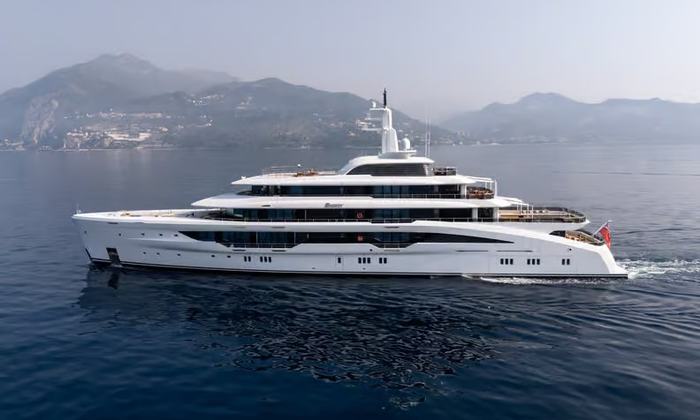
Listed by Burgess
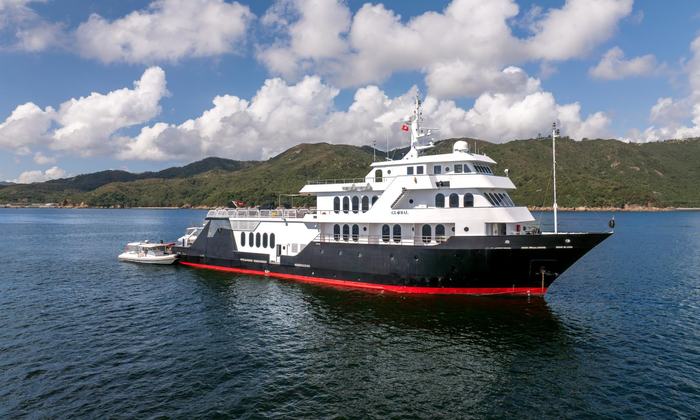
Listed by Camper & Nicholsons
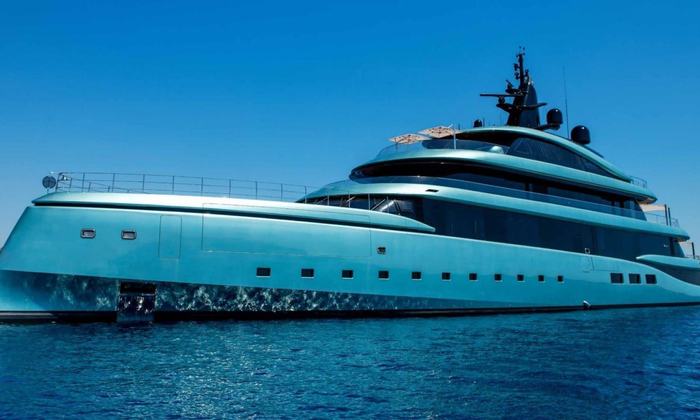
Listed by Camper & Nicholsons
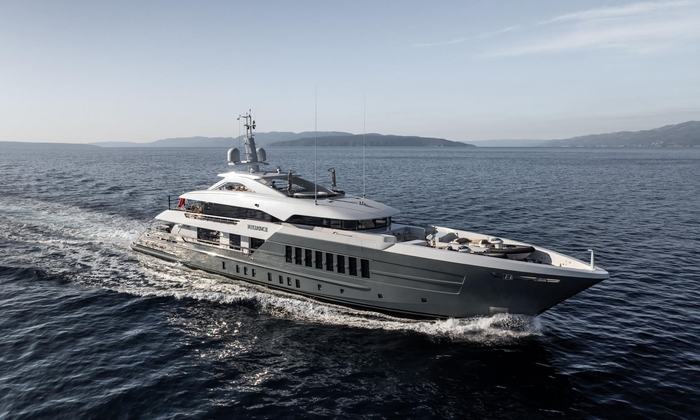
Listed by Camper & Nicholsons
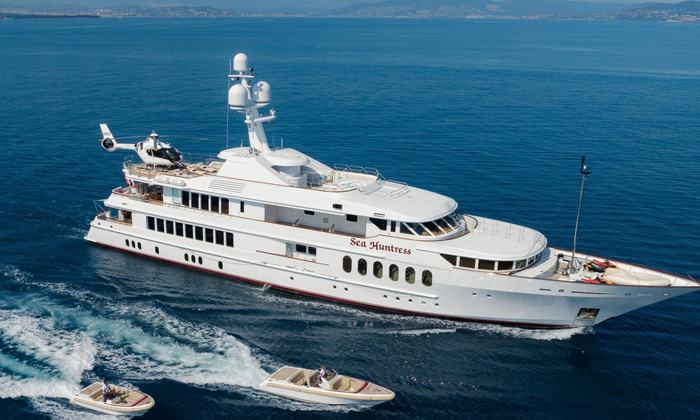
Listed by Camper & Nicholsons
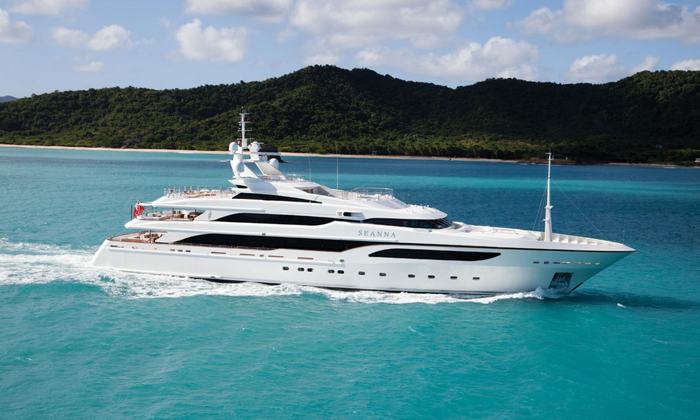
Listed by Camper & Nicholsons
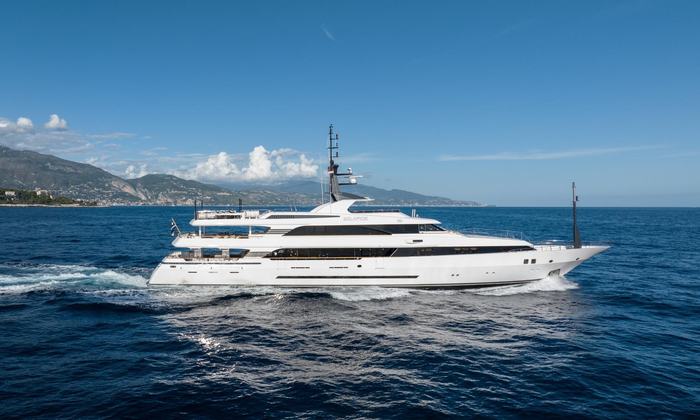
Listed by Camper & Nicholsons
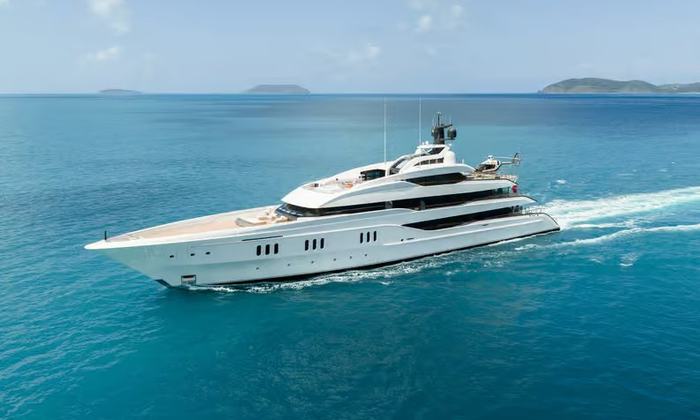
Listed by Burgess
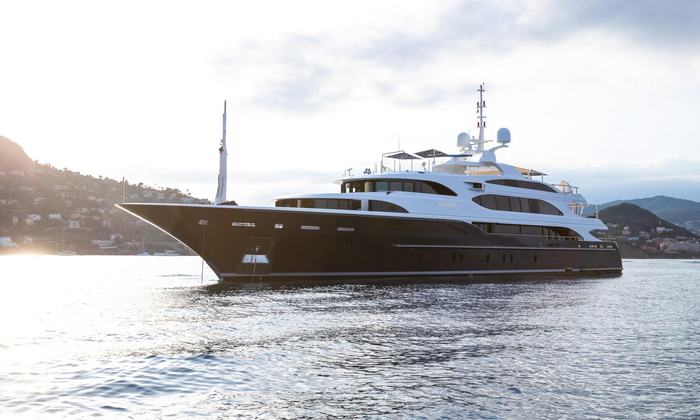
Listed by Camper & Nicholsons
Selling a superyacht
A seller normally appoints a central agent under a listing agreement. The broker advises on valuation, positioning, asking price, marketing, photography, documentation, viewing arrangements and negotiations. Exclusive central agency gives the market a recognised source for information and allows other brokers to cooperate through one controlled instruction.
The asking price should be supported by comparable sales, competing inventory, build quality, age, refit history, condition, specifications and current demand. An ambitious price may reduce viewings and extend time on market, while poor presentation can make a sound yacht appear neglected or difficult to acquire.
Professional photography, accurate specifications, properly prepared inventories and accessible records help a buyer progress from initial interest to technical investigation. Maintenance records, class reports, registration documents, crew information, refit invoices and evidence of ownership should be organised before a serious offer exposes gaps.
The yacht must remain operational and presentable while it is offered for sale. Viewings may occur during yacht shows, shipyard periods or private appointments. Captains and crew need clear instructions concerning confidentiality, access, photography and interaction with potential buyers.
Once an offer is accepted, the seller should expect the buyer to investigate condition and title. A realistic sales strategy anticipates survey findings rather than assuming that every defect will be ignored. The broker, captain and legal advisers must coordinate responses, repairs, price discussions and completion documents without compromising the seller's contractual position.
Seller-side costs can include brokerage commission, legal and corporate advice, documentary work, maintenance during the sale period, preparation, photography, yacht-show attendance and agreed repairs. Finance, mortgages, crew liabilities, unpaid suppliers and other encumbrances may also need to be discharged before clear title can pass.
Professional brokerage
Brokerages differ in market reach, technical resources, geographic presence and yacht-size specialisation. Buyers and sellers should assess the relevant team and its experience rather than relying only on the size of a public inventory.
International yacht sales, purchase and new-build brokerage
International sales, purchase, construction and yacht services
Worldwide sales, purchase and yacht management
International yacht sales and buyer representation
International brokerage with a major United States presence
Large-yacht sales, purchase and new-build brokerage
Yacht sales, purchase, build and management
International sales, purchase and owner services
Family-owned yacht sales, construction and management company
Large-yacht sales and purchase brokerage
International sales, purchase and yacht services
Specialist large-yacht sales and purchase brokerage
Brokerage intelligence
7 August 2026
6 August 2026
6 August 2026
5 August 2026
5 August 2026
2 August 2026
Purchase and sale questions
The central agent normally represents the seller. A buyer may appoint a separate broker to search, advise and negotiate on the buyer's behalf.
A deposit around 10% is a recognised professional convention, but the actual amount and payment terms are governed by the signed agreement.
No. The sea trial demonstrates the yacht operating. A condition survey is a broader technical inspection and may involve haul-out, machinery tests, record checks and specialist examinations.
The buyer normally appoints and pays the independent surveyor and associated buyer-side inspection costs, subject to the agreement and transaction terms.
It is the seller's published asking position. The final price depends on negotiation, competition, condition, survey findings and the seller's willingness to proceed.
It means the broker has not publicly disclosed the asking price. It should not be used merely because price information is missing from an incomplete listing.
Many yachts are owned through corporate structures, but the appropriate arrangement depends on tax, liability, financing, registration and intended use. Specialist legal and tax advice is required.
The buyer should have ownership, insurance, registration, management, crew and funding ready. The seller must provide the agreed title, documentary, inventory and delivery requirements.
Brokerage visibility
Brokers and authorised central agents can request reviewed sale listings, featured placement, portfolio packages and campaign visibility with Superyacht Guide.