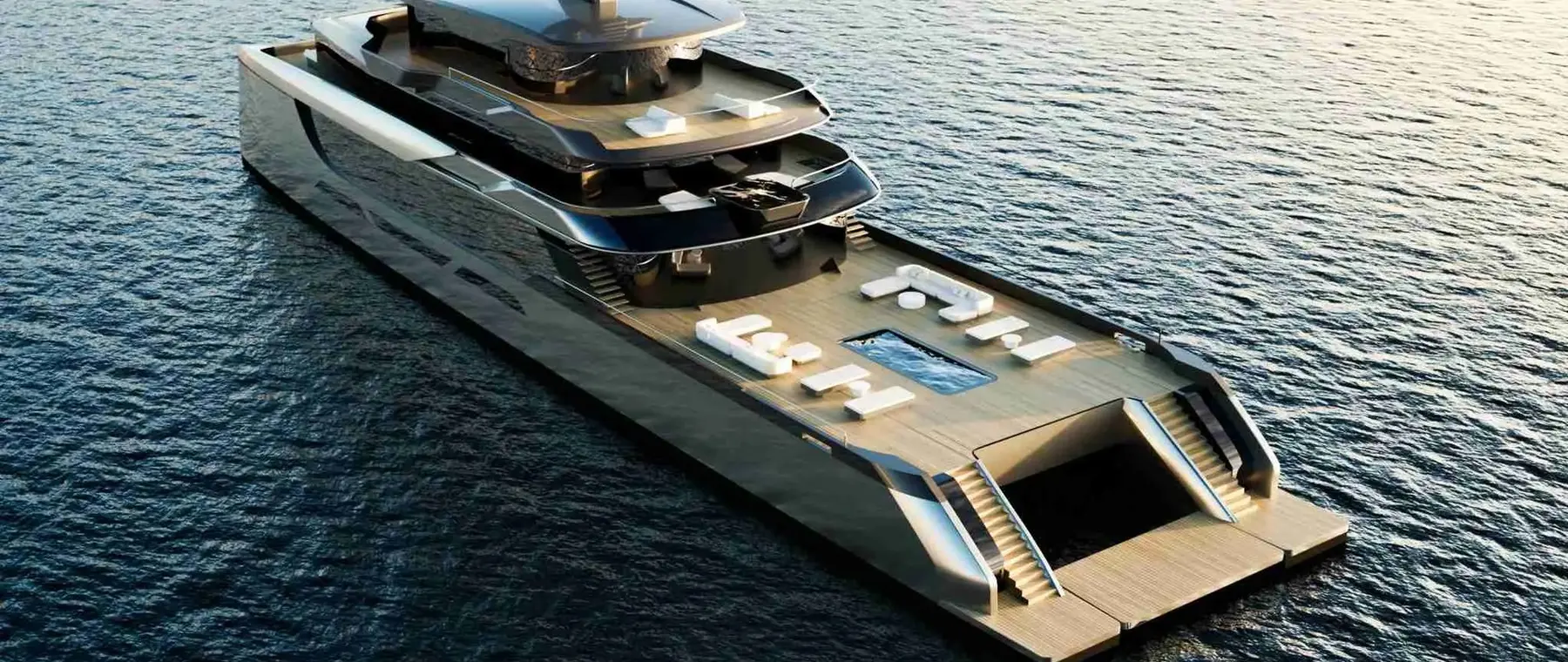
Source: https://sunreef-superyachts.com/en/65m-sunreef-explorer/ | Copyright Sunreef Yachts | concept rendering, not a launched yacht | SHA256 3fec6782579dd4da838831f45058ce779c12babd9201dac59f997319a20f3a19
Sunreef reveals a 65m, 1,800GT Explorer catamaran concept with seven suites, an owner deck and expedition amenities. A sourced look at its design, not a launch.
Sunreef Yachts used the 2025 Monaco Yacht Show to introduce a different kind of flagship: a 65-metre twin-hulled explorer with the volume and facilities more commonly associated with large monohull superyachts. The Polish builder describes the 65M Sunreef Explorer as a design concept rather than a completed vessel. That distinction matters. Renderings can show the arrangement of pools, tenders and guest suites, but they are not evidence that a hull has been sold, launched, commissioned or delivered. The concept is significant because it asks how far the operational and lifestyle advantages of a luxury catamaran can be extended.
Sunreef's September 2025 presentation described a vessel of 65 metres with a proposed enclosed volume around 1,800 gross tons. That would make it an extraordinary design among luxury catamarans, particularly compared with the builder's existing sailing and powercraft. But an announcement at a yacht show is the beginning of a public design story, not its final stage. An order, steel-cutting, construction milestones and commissioning would each require separate confirmation before being added to a live fleet register.
The original Sunreef newsletter dated 25 September 2025 uses language about the design's ambitions, accommodation and expedition potential. The builder's official Explorer presentation provides more detail about the proposed layout. Both are appropriate primary sources for discussing a concept, but neither should be used to invent a delivered ship. The image accompanying this feature is explicitly an official computer rendering, not an exterior photograph taken at sea.
A wide catamaran platform produces a different relationship between length and interior space than a monohull of the same overall length. The space between the hulls supports a broad central superstructure, and the beam can offer greater flexibility for guest rooms, galleries, lounges and exterior terraces. In a vessel as large as the 65M Explorer, that approach creates opportunities for accommodation plans that would require very different proportions on a single-hulled yacht.
Extra breadth is not a free design benefit. It influences the berths a vessel can use, the geometry of slips and passages, the arrangement of cranes and tenders, and the loads that connect two hulls across a broad platform. Structural engineering and seakeeping need to be evaluated for the intended operating regions. A rendering shows an architectural possibility, but naval architects must demonstrate that the arrangement can work safely at the intended scale.
Sunreef's concept includes seven double guest cabins in total. An upper-deck owner's suite forms a private residential area with extensive glazing, a dedicated lounge and spaces for work and relaxation. Two VIP suites and four further double cabins complete the advertised guest programme. That layout suggests a preference for substantial guest accommodation rather than maximizing cabin numbers at the expense of individual space.
For an owner spending long periods aboard, the importance of these rooms lies in how privacy, views and movement through the ship are managed. The owner may value a place to work while the rest of the party uses the main lounge, or a quiet outdoor area that does not intersect with crew service routes. Designers have to reconcile those human needs with the practical location of bulkheads, stairways, stores and technical services.
The builder proposes accommodation for 22 crew. That is a substantial operational team, reflecting the ambition to support extended travel and sophisticated guest services. The number should be understood as a design allocation, not as proof that a captain has been appointed or that the finished yacht operates with that exact complement. Actual manning would depend on certification, owner preferences, voyage plans and the duties assigned to the onboard organisation.
Long voyages require more than a beautiful interior. Provisioning, watchkeeping, engineering, housekeeping, deck work and the operation of tenders or specialist equipment all demand trained people and coordinated schedules. A successful explorer design needs crew circulation and service spaces that remain practical when guests are aboard for weeks. Such arrangements are less glamorous than a beach club, but they determine whether an impressive concept can become a comfortable operational yacht.
Sunreef's proposal includes a main aft pool approximately six metres long, together with a second water feature in the upper outdoor programme. A wide beach club is intended to open toward the sea through folding platforms. The generous central area between the hulls also offers opportunities for launching and using water toys. These choices show that the builder is not treating expedition capability as an excuse to sacrifice the social side of superyachting.
Pools and fold-down terraces add engineering challenges that cannot be resolved by aesthetics alone. Water weight changes when tanks and pools are filled or emptied. Open platforms require appropriate supports, safety arrangements and protection against the conditions expected offshore. A beam that permits dramatic leisure architecture also creates questions about access in crowded marinas and the transfer of passengers to tenders. The trade-offs are part of the design story.
The published concept includes storage for substantial watercraft and a retractable handling system for larger tenders and specialist vehicles. The builder has illustrated how an aft working area could support a craft approaching 45 feet, while other water toys may be accommodated separately. Such a capability would affect the activities possible during remote cruising, from diving and coastal exploration to transferring guests where the mother yacht cannot enter a shallow bay.
Every item added to a vessel needs suitable handling and stowage. A tender has weight, a centre of gravity, fuel and service requirements, as well as safe launch conditions. A crane must function with the ship's motion and with people nearby. Operational autonomy depends on how these activities are managed, not merely on whether a rendering contains an attractive boat beside the aft deck.
Sunreef's publicity discusses long-range efficiency and explorer-level autonomy. Some coverage repeats design targets around 14 knots cruising and 18 knots maximum speed. These should be described as proposed performance figures, not independently verified sea-trial results. The ultimate range would depend on propulsion, fuel capacity, loading, sea state and the technical solution adopted for a specific build. Until a ship is constructed and tested, many of those variables remain design assumptions.
An explorer yacht should also be judged by its ability to support systems when far from specialist maintenance. Redundancy, service access, spares, water production and climate control matter as much as passage speed. The broader the intended operating area, the greater the importance of planning for failures and avoiding equipment that requires unrealistic shore support. This is where a capable maritime design team has to turn an attractive proposal into a credible engineering programme.
At 65 metres, the distance between two hulls creates technical and manufacturing issues that differ from those of a conventional smaller leisure catamaran. The cross-deck structure must manage loads from the hulls and superstructure, while the overall assembly must remain buildable, maintainable and suitable for docking. The client may also ask for a high degree of interior customization. These are questions to be addressed during detailed design and contract development, not after the yacht has entered the water.
The concept's scale could also influence where it is constructed and refitted. Shipyards need facilities capable of handling the overall beam, the component weights and the future servicing requirements. That logistical challenge helps explain why the largest multihull proposals attract attention long before a delivery date is announced. The architecture expands what might be possible but also imposes a different set of practical constraints.
A 65-metre explorer catamaran would compete for an owner's attention not just against other catamarans, but against established large explorer and displacement monohulls. The sales argument would therefore centre on the experience of broad spaces, access to the water, potential efficiency and a distinctive lifestyle. The owner would still need to consider marina access, crew cost, technical support, resale liquidity and the durability of the builder's chosen systems.
No publicly verified sale price or signed order is assumed here. Speculative valuations appearing in commentary are not a substitute for an official contract. The value of the builder's announcement is that it defines a direction for design and gives potential owners a platform for discussion. Whether the actual market supports a completed yacht of this scale is a separate question that can only be answered by future orders and deliveries.
A newsroom often sees a named design in several forms: an original unveiling, a show presentation, a prize for the concept, and a later annual roundup. These can look like multiple projects if their titles change. In September 2025 Sunreef's original release introduced the 65M Explorer; later awards and October 2026 roundups referred to the same design. They do not establish multiple completed 65-metre hulls.
Superyacht Guide therefore treats the 65M Sunreef Explorer as a clearly labelled concept. Its rendering is retained with a source and image credit, while the company CRM records the original press correspondence. If the builder announces a contracted hull, yard start or delivery in the future, those events can be added with their own verified dates without altering the meaning of this historical article.
The 65M Explorer is an unusually ambitious expression of the multihull superyacht idea. It combines the spatial possibilities of two hulls with a guest programme that includes a dedicated owner residence, multiple shared lounges, substantial crew accommodation and equipment intended to support adventurous travel. The concept is not remarkable because it proves those capabilities at sea; it is remarkable because it sets out a coherent design question for a new size of luxury catamaran.
For owners and designers, the most useful discussion begins with the same question that the renderings suggest: which benefits of a multihull become more valuable at this scale, and which structural, operating and logistical demands become harder to manage? That question cannot be answered by marketing language alone. It gives the proposal lasting relevance as a design case study while keeping the public record precise about what was actually announced in September 2025.
Original sources and editorial note: Original Sunreef Yachts September 2025 correspondence SYMS email 1770; official 65M Sunreef Explorer concept presentation and Sunreef's 2025 model and award communications. Hero visual: © Sunreef Yachts, **official computer rendering of an unbuilt concept**, not a photograph of a delivered vessel. No construction or sale status has been inferred.
Explore
Go deeper into the yachts, companies, events and destinations directly connected to this article.
Continue reading
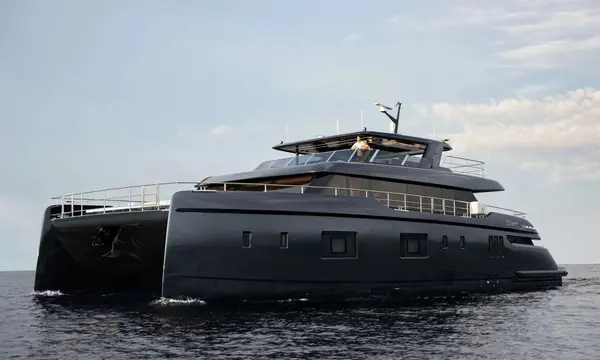
Explore the 28.63m Sunreef 100 Power PETITE BELLE, with a 13.5m beam, contemporary guest accommodation, quiet-night battery power and a wide Ocean Lounge.
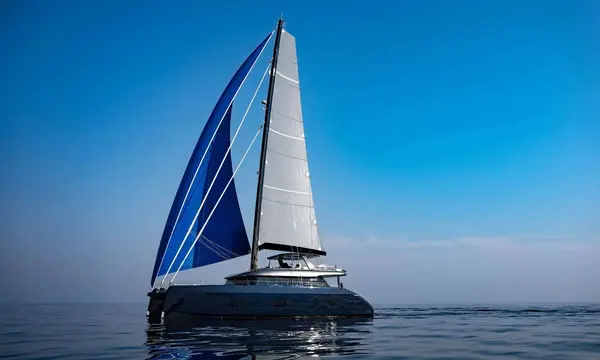
Sunreef 80 AHAVA is a 2025 sailing catamaran with warm walnut interiors, guest privacy and a wide stern. View the 24.4m yacht in its …
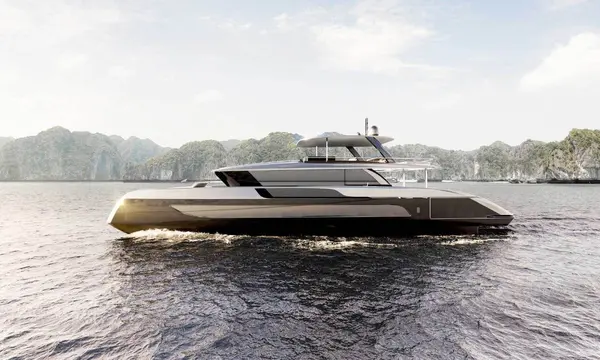
Paramount Yachts has announced its first US sale of a Sunreef ULTIMA 88 to a Florida family. The in-build 26.8-metre power catamaran is scheduled …

Sunreef Yachts has announced an ULTIMA 88 order for Lionel Messi, with the yacht under construction in the UAE and intended for the MIM …
Superyacht Guide
Continue into the wider Superyacht Guide.
Business opportunities · Superyacht Guide
Companies serving the superyacht market can discuss clearly identified advertising, sponsorship and business-profile opportunities. Commercial activity remains separate from independent editorial coverage.