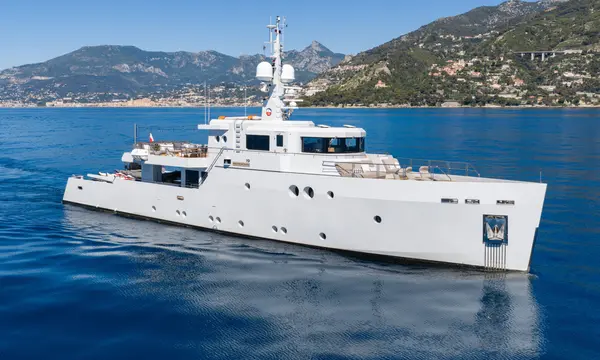
TWW Takes Charter Agency for 36.4m Tansu PREFERENCE 19
TWW Yachts is central charter agent for refitted 36.4m Tansu PREFERENCE 19.
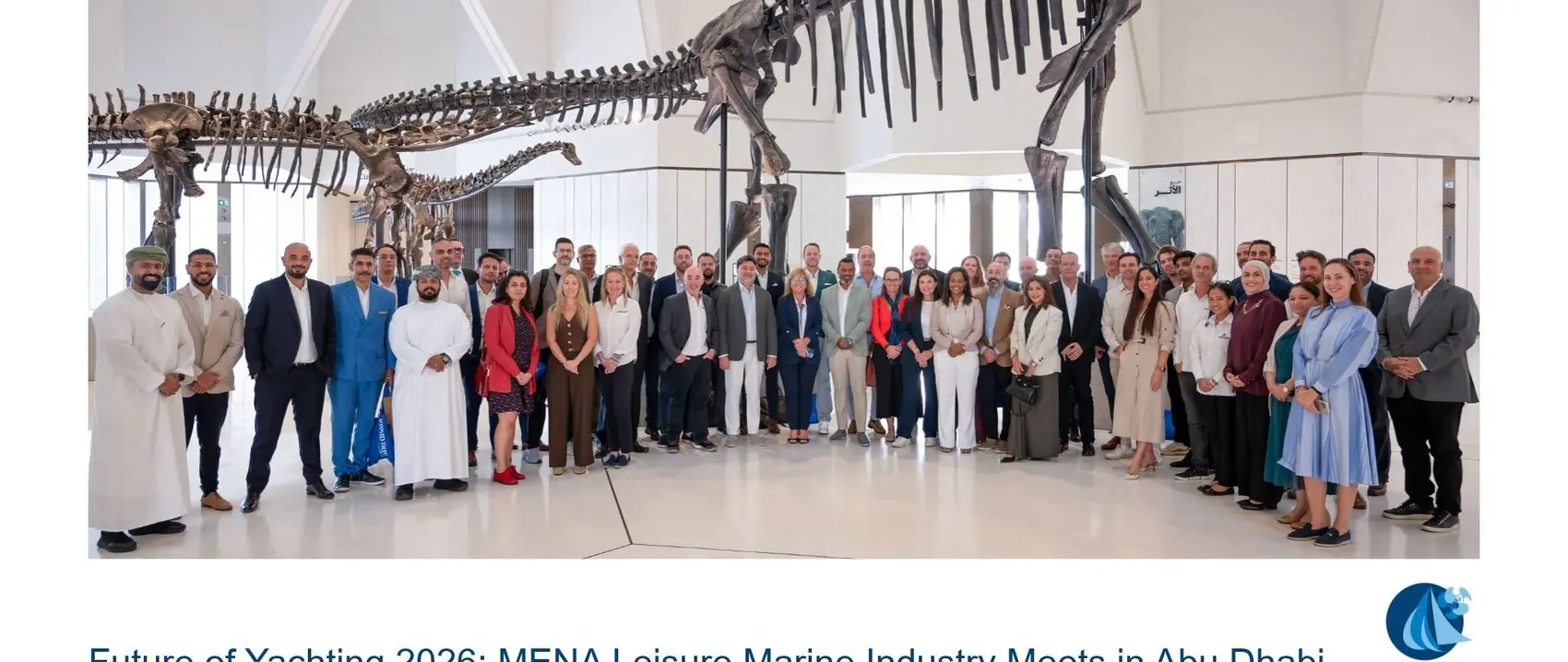
© ICOMIA / originating news and event partners. Official first-party editorial press image from the association’s release.
ICOMIA details the Abu Dhabi Future of Yachting forum, with marina, charter and regulation updates and regional cooperation across MENA markets.
The Leisure Marine Association for the Middle East and North Africa held the second Future of Yachting event and its 2026 annual general meeting in Abu Dhabi on 1 October. The International Council of Marine Industry Associations published a detailed account on 30 October, reporting more than 80 attendees from marinas, yachtbuilding, charter, technical services, tourism and related businesses. The meeting was hosted with the Department of Culture and Tourism Abu Dhabi at the Natural History Museum. For owners and managers of large yachts, the significance lies in the discussion of practical infrastructure, regional access and coordinated services, rather than simply another gathering of industry representatives.
A central theme was the effort to present the United Arab Emirates as a more integrated yachting destination. The official report describes the UAE Yachting Alliance, connecting Abu Dhabi, Dubai and Ras Al Khaimah in promotional and industry coordination. Owners may already recognise individual marinas in those locations, but a connected route requires more than marketing. Vessel entry, customs procedures, permitted movements, technical support and berth availability all need to work for itineraries spanning several Emirates. The meeting's discussion provides evidence that cooperation is being pursued; it does not establish that every administrative requirement has been harmonised or that any specific yacht can transfer without formalities.
Melroy Vaz of DCT Abu Dhabi opened a discussion about the emirate's yachting potential, including charter services and waterfront destinations. The department connected marine tourism with the wider Tourism Strategy 2030. That strategy provides context for long-term interest in yachts, but the meeting did not publish a verified forecast of how many superyachts will arrive. Owners and operators should distinguish between ambitions to attract visitors and infrastructure already available for use. A new route becomes viable only when port services, deep-water berths and shore-side arrangements match the vessel's requirements. The forum was valuable because it brought these questions into a shared industry conversation.
Among the concrete updates was the opening of a 75-berth facility at Marsa Al Jubail, announced by Ivaylo Kishkov. The number identifies the marina's reported capacity, not how many berths are suitable for vessels longer than 24 metres. Superyacht captains must still verify berth length, depth, access, electrical supply and whether temporary calls are accepted. A 75-berth development may support broader local leisure marine activity without providing a berth for every large yacht. The distinction matters in industry reporting, where headline berth counts can be mistaken for superyacht capacity. Operational capability depends on the individual dimensions and rules of the facility.
The association's account says Emirates Palace Marina reported upgraded facilities for superyachts and plans linked to the SailGP championship final. The news indicates investment and event-related interest, but it does not specify every technical characteristic of the upgrade. A yacht manager planning a visit should obtain current power, security, loading and service details from the marina rather than rely on an event summary. Major sports fixtures can affect berth demand, guest arrangements and access restrictions. Early planning becomes more important where a large vessel must coordinate transport, provisioning and security with a busy waterfront event calendar.
Yas Marina described strong berth demand, more crew facilities and additional electric charging points. These are relevant developments because the quality of a yacht's home or visiting berth involves crew requirements and utility services as well as the prestige of the location. However, a charging point should not automatically be interpreted as a superyacht shore-power supply or a connection of a particular rating. Electrical engineers need information about voltage, current, power quality and operational arrangements. Crew facilities may also influence how comfortably teams work during longer stays. A venue's reported improvements justify interest, while detailed suitability still requires direct confirmation.
Dr Haya Aldaghlas of Abu Dhabi Maritime presented an updated Maritime Sector Strategy with more than 98 initiatives and 19 strategic objectives. Those figures are reported by ICOMIA as part of the meeting. One priority is to simplify movement of yachts between Emirates. The strategy is not the same as a published legal procedure; implementation will depend on the relevant authorities. Captains must continue to comply with existing entry and clearance rules until formal changes are made and verified. For the superyacht industry, easier inter-emirate movement could reduce planning friction, but an editor should not describe that benefit as already achieved.
Carol Stoneman outlined plans for the Abu Dhabi International Boat Show, scheduled for 19 to 22 November 2026, with about 152 boats anticipated and more participation from neighbouring Gulf countries. By the date of this article, those scheduled days have passed; the figures remain a reported pre-event plan rather than independently verified final attendance or exhibits. The forum's discussion nevertheless illustrates how shows contribute to the regional marine business network. Yachtbuilding, brokerage and equipment suppliers can use such gatherings to make connections, while individual owners may seek information about local services. Actual purchasing and visitor results require separate post-event reporting.
The Compass Card programme, introduced originally for visiting superyacht crew, was also discussed. Michael Fetton of JLS Yachts reported a new arrangement extending benefits to LMA MENA members. Crew support may sound peripheral to infrastructure development, but it contributes to the quality of a destination. Long visits involve accommodation, transport, provisioning, recreation and practical local knowledge. Better access to services can reduce administrative burdens for captains and improve the crew experience. The forum announcement provides evidence of a planned membership benefit; the precise discounts, eligibility and current participating businesses must be verified from the programme itself.
LMA MENA reported that its membership extends across 16 countries and markets. The association also has four specialist committees covering marinas, charter, boat finance, and repair and refit. These areas reflect the complexity of regional yachting, which cannot be developed through marina construction alone. A yacht may find a safe berth but still need reliable maintenance, financing services or a workable charter framework. Working groups can help identify practical barriers and coordinate discussions, though they cannot independently legislate or guarantee market expansion. The breadth of participation creates opportunities for shared problem-solving across different parts of the region.
After a member vote, the association confirmed its 2026–27 board. ICOMIA lists representatives including Wyndham Tops, Carol Stoneman, Ivaylo Kishkov, Melroy Vaz and Captain Patricia Caswell among the members. The change is governance news, not a financial transaction or a promise of immediate infrastructure delivery. Industry bodies depend on representatives who can reconcile the different needs of marinas, operators, yachtbuilders and service businesses. Their effectiveness will be judged through subsequent work and measurable improvements. For owners and captains, a functioning association can provide another channel for constructive dialogue on practical obstacles faced across the region.
The event included a panel moderated by Oliver Rees of Green Flag Marine Yacht Services, with participants from Gulf Craft, JLS Yachts, Exalto Emirates, V-Marine and The Captain's Club. The combination brought perspectives from yacht construction, brokerage and service operations. A panel can reveal shared concerns but should not be presented as if its participants endorsed every proposal discussed. ICOMIA reports that opportunities and challenges across MENA were addressed, followed by audience questions. The important business outcome is a more connected exchange among stakeholders; detailed policy decisions or investment commitments are not documented in the association's summary.
A vessel over 24 metres may need a particular depth, shore-power connection, technical support and suitable access for guest transfers. A yacht substantially longer than that requires even more careful berth selection. Announcements about regional growth should therefore be tested against actual facilities. Managers can build a prospective itinerary around Abu Dhabi, Dubai and Ras Al Khaimah, but they should not confirm passage before checking navigation conditions, customs and berth arrangements at every stop. The forum's emphasis on cooperation is encouraging because those requirements cross organisational boundaries. Reliable operations, however, are delivered through site-specific procedures rather than regional slogans.
The association's committee structure recognises boat finance and repair/refit alongside marinas and charter. For superyacht owners, these activities connect capital investment with ongoing operations. A vessel that can visit a region for events may still need suitable technical support if it develops an engineering problem. Refit facilities and qualified contractors can influence decisions about seasonal bases and longer voyages. Financial services may also be important to local operators investing in equipment or infrastructure. The forum did not publish new investment totals in these areas, but identifying them as separate workstreams provides a realistic view of what regional development entails.
Tourism ambitions, industry alliances and new infrastructure announcements are useful evidence of direction. They should not be confused with measured utilisation or profitability. The 98-plus initiatives and 19 strategic objectives may support future changes, but each requires practical implementation. Investors need evidence of demand, operating costs, environmental compliance and an appropriate regulatory framework. Owners need clear communication from individual marina operators and maritime authorities. The best use of an industry meeting is to align priorities and then subject proposed solutions to those independent checks. Overstated certainty can be more damaging than acknowledging work still to be done.
The source confirms a second Future of Yachting forum in Abu Dhabi, more than 80 participants, updates from several marinas, a reported 75-berth facility, and a strategy containing more than 98 initiatives. It also confirms an association spanning 16 markets and a newly elected board. None of these figures should be translated into a forecast of superyacht arrivals or the revenue of a specific marina. They are milestones and reported intentions, with some facilities already operating and other plans subject to further work. Accurate reporting preserves these distinctions so captains and investors can identify facts worth following up.
The Middle East and North Africa contain established yacht centres and emerging destinations, but their value to large-yacht owners depends on dependable infrastructure and services. The Abu Dhabi forum brought relevant organisations into a discussion of how individual projects and authorities could work more coherently. That is a credible industry development in its own right. The next measure of success will be whether berth information, clearance procedures, technical support and crew services become easier to use. Until then, individual vessels still require detailed planning, and the forum's achievements should be recognised without converting ambitions into promises.
Continue reading
TWW Yachts is central charter agent for refitted 36.4m Tansu PREFERENCE 19.
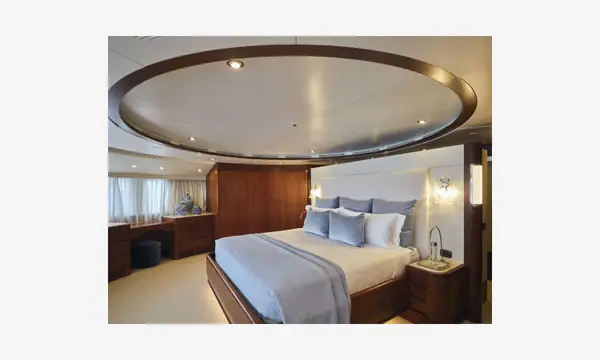
Australia’s Ocean Alliance is now central agent for 44-metre Benetti MORE after a Boat Style refit, with Western Australian and Kimberley charter programmes.

The Superyacht Forum closes with a SYBAss economic study highlighting market growth, regional demand and constraints on large-yacht production capacity.
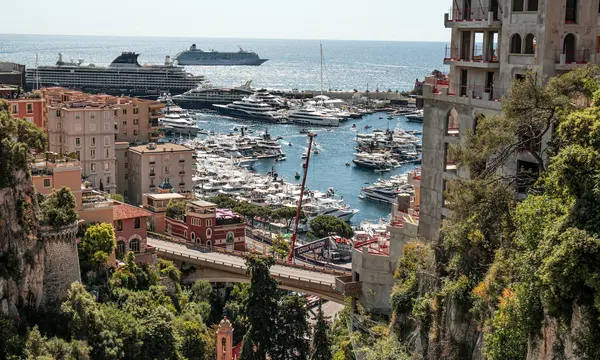
Hill Robinson has appointed Thea Shaw to oversee its Charter Management team, according to an announcement dated 6 November 2026. Her responsibilities extend across …
Superyacht Guide
Continue into the wider Superyacht Guide.
Business opportunities · Superyacht Guide
Companies serving the superyacht market can discuss clearly identified advertising, sponsorship and business-profile opportunities. Commercial activity remains separate from independent editorial coverage.