
Frigomar Introduces 210,000 BTU CU210 Yacht Chiller
Frigomar has introduced its CU210VFDT chiller with 210,000 BTU/h capacity, a titanium seawater exchanger and the same compact dimensions as its 180,000 BTU unit.

Image: Airmont official StreamTime technology and licensed TV pages; METSTRADE 2026 exhibitor catalogue
Airmont is exhibiting its yacht video streaming and licensed television services in Amsterdam, promoting compression and shared feeds to preserve onboard internet bandwidth.
French onboard-entertainment supplier Airmont is preparing to exhibit at METSTRADE 2026, bringing its video-compression and licensed live television services to yacht builders, managers and audiovisual integrators. The company appears on the official Superyacht Zone exhibitor list, with technology intended to make familiar entertainment services more reliable over the restricted or fluctuating internet connections found at sea.
Fast satellite connectivity has changed guest expectations, but speed alone does not explain the quality of an onboard streaming experience. A yacht may have numerous televisions, crew devices, guest tablets and operational communication systems competing for the same connection. When several people begin watching high-resolution programmes, demand can rise sharply even while the bridge and technical department still require predictable network performance.
Airmont's StreamTime system is designed to lower the data demand of video content while managing delivery over networks affected by latency, packet loss or varying capacity. The company describes adaptive optimisation and compression that aim to prevent interruptions without sacrificing acceptable picture quality. These are supplier claims, not independently established reductions on every yacht or every content service.
A compressed stream can look entirely satisfactory on a small screen but reveal visible artefacts on a cinema-sized display. Picture resolution, motion, scene complexity and the requirements of individual guests all influence what level of compression is practical. A technical team should evaluate the service on the actual yacht screens rather than assume that bandwidth savings always leave the viewing experience unchanged.
An important element of Airmont's proposed architecture is multi-user distribution. When several devices request the same live television channel, the company says the yacht can receive a single external feed and distribute it within the onboard network, rather than pulling identical programmes repeatedly across its internet service. This can be particularly useful during sports coverage or major news events watched by numerous people.
That arrangement needs sound network design and legitimate programme rights. It does not mean that every streaming application permits its content to be redistributed in any form. The distinction between technically possible distribution and contractually authorised distribution should be made clear during procurement. Some programmes are licensed for particular countries or viewing modes even when the vessel can receive them elsewhere.
Airmont promotes international live-TV packages with rights for worldwide maritime use. The company lists business news, entertainment and other channel selections intended for people moving between countries. This addresses a practical frustration for owners: a familiar service at home may be geoblocked or unavailable when the yacht changes region, regardless of available bandwidth.
However, the extent of licensing should be assessed channel by channel. A package may provide global access to specified content without including every sports event, film or premium broadcast. The yacht's purser or AV contractor should obtain an accurate channel list, applicable rights conditions, device requirements and any restrictions affecting charter guests or commercial vessel use.
Video optimisation sits within a larger system that includes satellite or mobile terminals, routers, wireless access points and distribution equipment. A configuration that works in a demonstration booth can behave differently when installed behind a yacht's existing firewall or guest-network separation. Integration is therefore an engineering task rather than a simple subscription purchase.
Captains and electronic technical officers should ask where the optimisation equipment is installed, how it is updated and what happens when an external service fails. They should understand whether ordinary internet applications will continue functioning if the entertainment gateway goes offline. The vendor's ability to provide remote support can be important, but access to onboard equipment must remain subject to security controls.
The wider communication policy of the yacht should be considered before entertainment equipment is installed. Guest devices, crew welfare services and operational systems need appropriate separation, and an entertainment supplier should not receive unrestricted access to bridge or engineering networks. Network monitoring can establish whether a proposed optimisation genuinely helps during the yacht's peak viewing periods. Captains should ask for a trial that compares like-for-like picture quality, bandwidth consumption and buffering events across the same channels under similar connection conditions.
Reliable entertainment is a hospitality issue as well as a technology issue. Guests generally do not want explanations about routing tables, satellite coverage or fluctuating traffic priority when a programme begins buffering. A system that makes performance more consistent may therefore reduce the workload for crew who otherwise spend time investigating individual televisions during busy charters.
Any financial savings will depend on the yacht's connectivity contract, usage pattern and selected channels. Airmont's published descriptions provide the basis for a technical evaluation but not a universal guarantee of a particular percentage reduction in satellite cost. METSTRADE offers an opportunity to discuss realistic onboard scenarios, licensing and measurement methods before installing the product.
Continue reading
Frigomar has introduced its CU210VFDT chiller with 210,000 BTU/h capacity, a titanium seawater exchanger and the same compact dimensions as its 180,000 BTU unit.
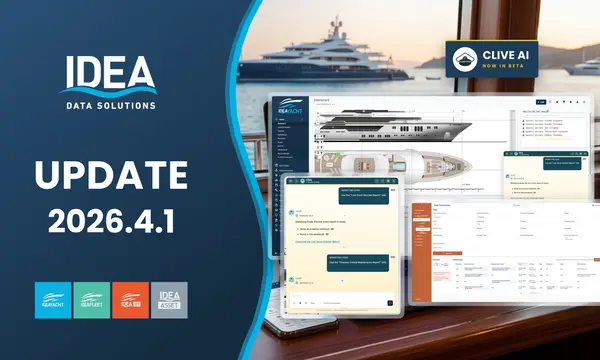
IDEA Data Solutions details release 2026.4.1 for yacht operations, including limited CLIVE AI testing and improvements to purchasing, maintenance and fleet views.
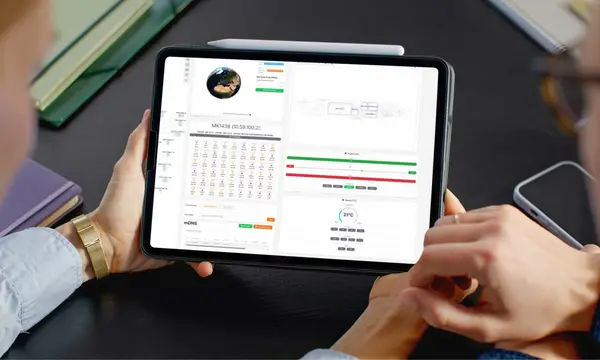
Videoworks explains AVIT Panel, an overlay system that connects existing onboard digital equipment to configurable views for captains and technical teams.
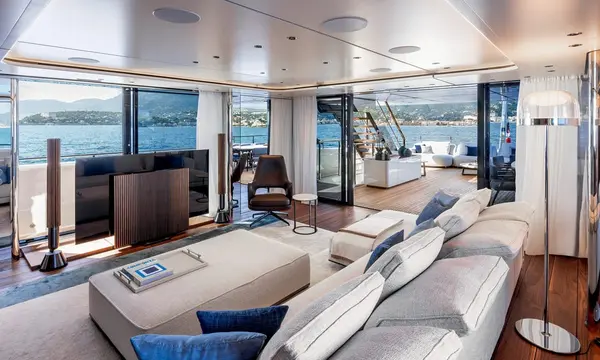
Videoworks explains its bespoke Bang & Olufsen systems on two Custom Line superyachts, naming the hardware used and the integration work carried out.
Superyacht Guide
Continue into the wider Superyacht Guide.
Business opportunities · Superyacht Guide
Companies serving the superyacht market can discuss clearly identified advertising, sponsorship and business-profile opportunities. Commercial activity remains separate from independent editorial coverage.