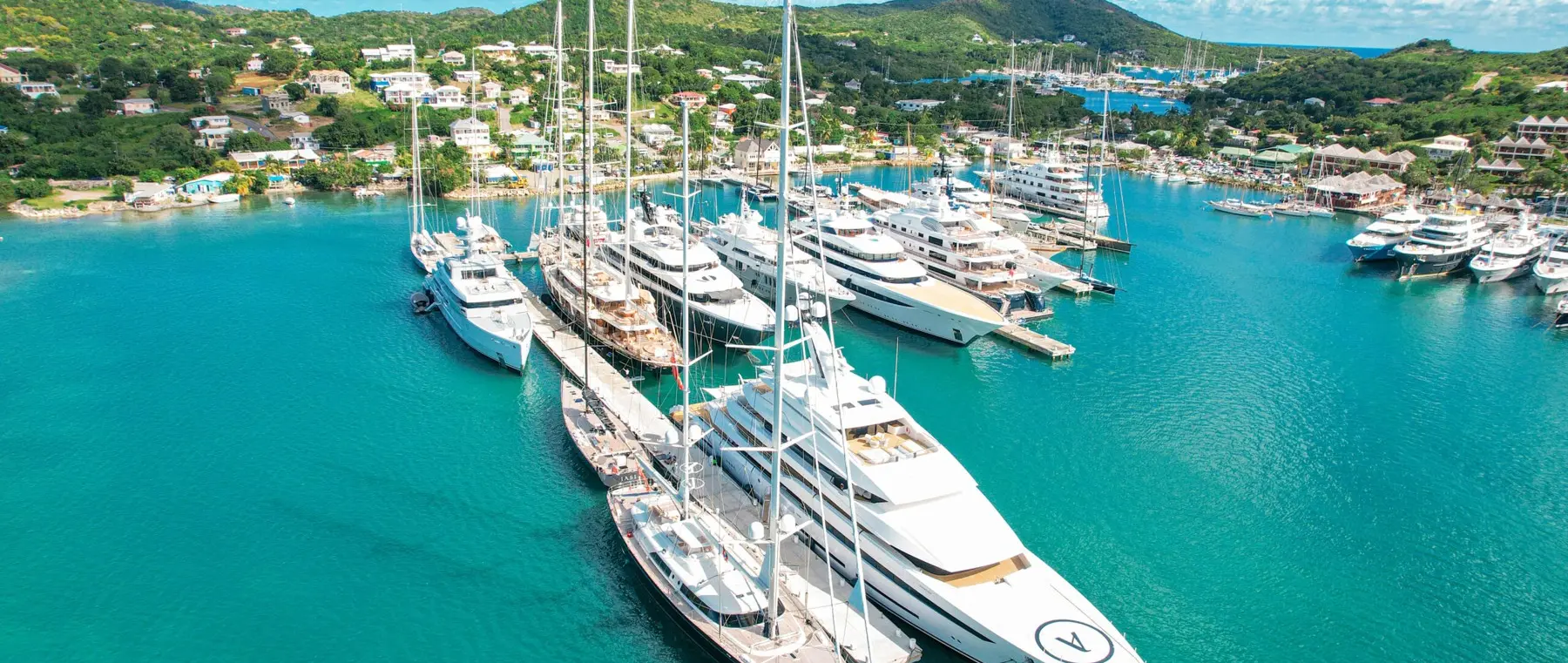
Antigua's Falmouth Marina Plans $4.5m Shore Power Upgrade
By Stephen Yardley · Edited by Stephen Yardley
Falmouth Harbour Marina plans a $4.5m shore power investment for 2027–28, while enhancing bunkering quality with continuous fuel sampling and separate tank monitoring.
Falmouth Harbour Marina in Antigua is preparing a series of operational upgrades intended to strengthen its position as a destination for large superyachts. General manager Bobby Reis outlined a ten-year development approach in a recent industry interview, identifying fuel-quality procedures and improved electrical capacity as priorities ahead of the 2026–27 Caribbean season.
The plans are important because a modern superyacht relies on reliable shoreside utilities as well as a safe berth. A marina may have sufficient depth and quay length for a large vessel yet still struggle to provide the power, fuel documentation and logistical support required during a busy winter visit. Falmouth's programme aims to address these less visible parts of the guest and crew experience.
The marina has been working to modernise its on-site fuel-storage arrangement, including isolating four tanks to make it easier to identify the source of any contamination. It is also introducing a sampling method that collects a continuous drip throughout bunkering, creating a composite representation of the whole delivery rather than relying on a single sample at one point in time.
Under the described procedure, the yacht receives a sealed, serial-numbered sample while the marina retains an identical control sample. If a quality concern emerges, both samples can be examined. This is a sensible approach to traceability, although the existence of samples does not eliminate the need for correct fuel handling, filtration, tank maintenance or independent testing where appropriate.
Falmouth's management says the facility has invested in a high-flow fuelling system capable of delivering up to 800 litres per minute. For a large motor yacht carrying many thousands of litres, the capacity can reduce the period spent alongside replenishing stores. Actual delivery rates will depend on the individual installation, hoses and safety procedures rather than the headline pump rating alone.
The marina also added gasoline availability for tender refuelling during the previous season, broadening the service beyond diesel for the mothership. Captains should still coordinate the correct fuel grade, safe separation of operations and contingency measures in advance. The benefits of speed disappear quickly if the delivery is interrupted by avoidable technical problems.
The most substantial proposed investment is an estimated US$4.5 million upgrade to shore power. Reis says the project responds to the increasing electricity demand of superyachts and the potential for stronger restrictions on running generators while alongside. The marina has selected a United States supplier, but infrastructure and other external factors have delayed the original timetable.
Management is now targeting the main superyacht docks for the 2027 season, followed by the full marina during the subsequent season. These dates remain plans, and an owner arranging a berth should confirm the live electrical capacity and available voltage before arriving. It would be incorrect to report the entire system as already commissioned in October 2026.
According to the management account, the local electricity network has historically lacked sufficient capacity for the requirements of large superyachts. The proposed upgrade therefore extends beyond adding pedestals at individual berths, involving changes to the infrastructure supplying the site and coordination with the authorities.
Falmouth is seeking support, including duty-related concessions, to help make the investment viable. Connecting a vessel to suitable shore power can reduce noise and emissions from running generators, but the environmental result also depends on how the electricity is produced. Owners should distinguish quieter berths from fully low-carbon energy unless the grid supply has been independently assessed.
The marina's existing facilities include a substantial concrete dock approximately 535 feet long, with advertised access for vessels drawing up to about twenty feet. Its position in English Harbour gives visiting yachts a base close to suppliers, restaurants and other marine services, while dedicated space supports tender operations, cranes, equipment and container storage.
Length and draft limits are guidelines that require confirmation against a particular yacht's handling characteristics, berth assignment and conditions on arrival. Even a large marina needs to evaluate windage, crew readiness and the available room to manoeuvre. Captains should agree their approach and utility arrangements before entering the harbour.
Smaller improvements include additional golf carts to help crews move around the docks and continued attention to security and connectivity. The marina advertises fibre-optic Wi-Fi and around-the-clock security, features that can matter when owners or crew need reliable communication and support while attending to a complex vessel.
Management also places emphasis on staff relationships and retaining knowledge of visiting captains' requirements. While this is difficult to quantify in the way that fuel rates or berth dimensions can be, responsiveness often shapes a captain's view of where to return. The service culture must be supported by clear procedures and reliable technical systems, not simply good intentions.
The development programme reflects the increasingly detailed requirements of internationally travelling superyachts. Reliable fuel samples, efficient bunkering and adequate shore power are concrete differentiators when choosing a stop in the Caribbean. These services can also influence how much time a yacht can devote to maintenance and provisioning between guest itineraries.
For now, the confirmed information is the marina's published development plan and its existing work on fuel quality and dock services. The electrical completion dates have not yet been achieved, and mariners should seek current technical specifications before committing to a berth. The longer-term test will be whether the upgrades function reliably during peak superyacht traffic.
Explore
Go deeper into the yachts, companies, events and destinations directly connected to this article.
Continue reading
D-Marin's October guidance explains how visiting yachts use a permitted offshore anchorage and dedicated tender service to reach Dubai's J1 Beach restaurants.
Marina Bahía Golfito highlights prospective customs, port services, road access and research facilities in Costa Rica before FLIBS 2026.
IGY explains how its Trident programme supports eligible superyacht captains seeking short-notice berths during busy events and sudden itinerary changes.
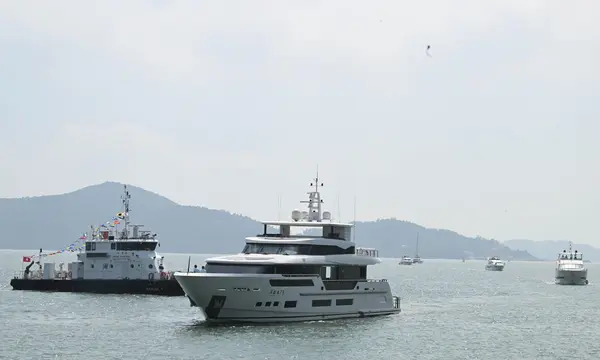
Five Guangdong yachts made the inaugural southbound visit to Hong Kong on 16 October, launching two-way cross-border arrangements and new marina ambitions.
Superyacht Guide
Continue into the wider Superyacht Guide.
Business opportunities · Superyacht Guide
Companies serving the superyacht market can discuss clearly identified advertising, sponsorship and business-profile opportunities. Commercial activity remains separate from independent editorial coverage.