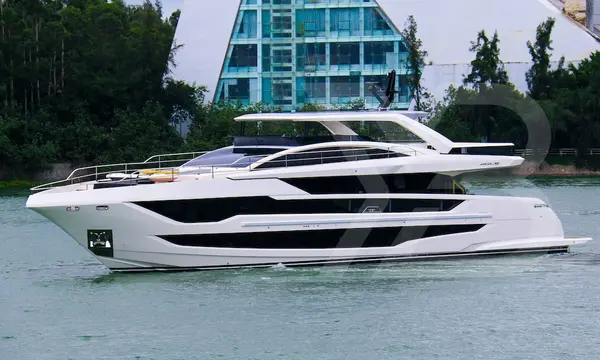
First Pearl 100 Hybrid Completes Sea Trials Ahead of FLIBS Debut
The first Pearl 100 Hybrid has completed initial sea trials ahead of its world debut at the 2026 Fort Lauderdale International Boat Show.
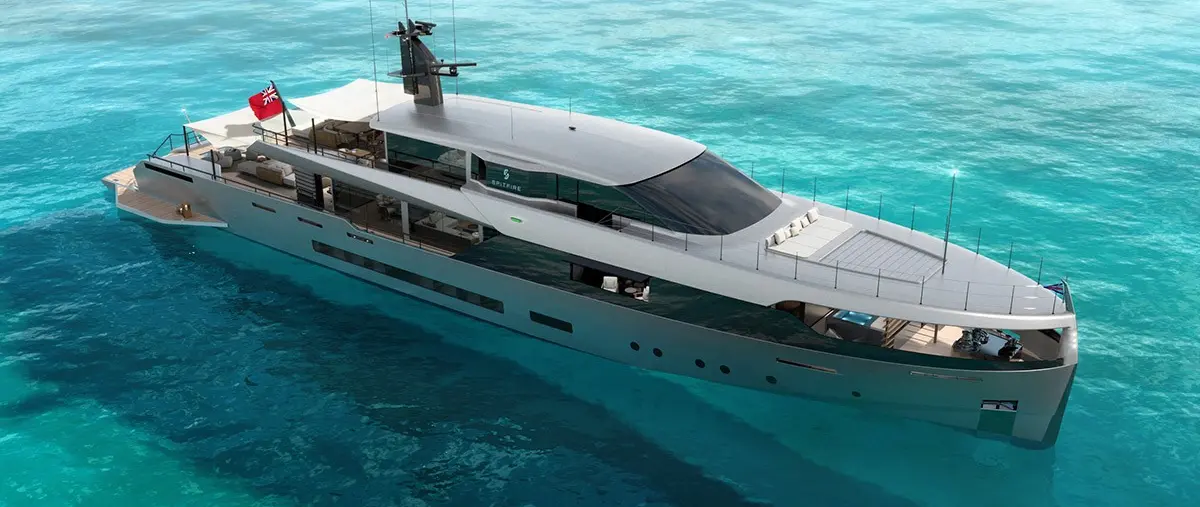
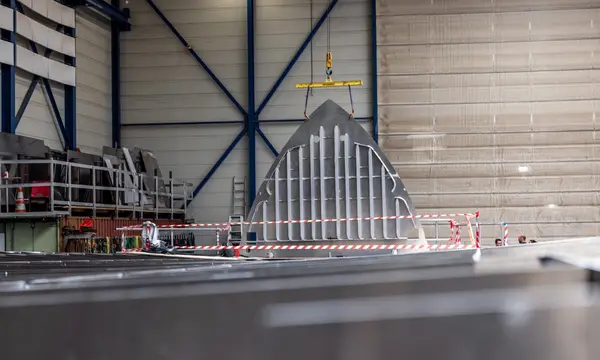
Image: ARES Yachts official SPITFIRE construction and engineering updates, September 2025 and February 2026
ARES Yachts' 50.55m SPITFIRE project combines a lightweight composite hull, hybrid electric drive and a radically flexible guest layout as the Antalya yard develops its first motor superyacht.
ARES Yachts is advancing the 50.55-metre SPITFIRE project as the Antalya shipyard develops its first motor superyacht following the completion of its 62-metre sailing flagship SIMENA. SPITFIRE has been described by the yard as a speculative build, with mould construction announced in September 2025 and the project still presented as in build in a February 2026 company update. Those are important distinctions: this is a real construction programme, not an already delivered yacht, and the yard has not published a new completed-vessel delivery notice.
The project builds on experience accumulated by its parent ARES Shipyard in demanding commercial and naval applications. Rather than taking the layout of an existing recreational yacht and making it larger, the designers have adapted fast-displacement thinking developed for the ARES 150 BOLD patrol-vessel platform. The objective is to combine substantial passage capability and controlled seakeeping with the social spaces expected of a full-custom superyacht.
SPITFIRE is planned around advanced composite construction, with naval architecture by Lateral Naval Architects. A lighter hull and superstructure can improve the relationship between power, displacement and speed, but success depends on laminate design, structural engineering, weight tracking and rigorous quality control from the earliest stages of the build. Simply substituting composite materials for metal does not automatically produce an efficient or low-maintenance yacht.
ARES has described a maximum speed above 20 knots and a prospective cruising range of up to 3,500 nautical miles. Both figures remain project specifications rather than independently observed trial results. For a yacht operating across the Mediterranean or undertaking long passages, the more useful eventual evidence will include fuel demand across the speed curve, performance at full cruising displacement, trim and stability under realistic loading conditions.
The yard's published engineering concept combines conventional machinery with twin 290kW electric motors and a battery bank. In its proposed electric-propulsion mode, the system is intended to move the yacht for around one hour without running the main diesel propulsion plant, while batteries can also support hotel services when guests wish to remain at anchor without continuously operating generating machinery.
ARES also discusses an optional enlarged battery arrangement that could extend silent hotel-service operation to approximately eleven hours in the cited operating conditions. Battery endurance varies with air-conditioning demand, outside temperature, galley load and the number of systems running, so an owner should treat any headline duration as an engineering estimate tied to a defined load profile, not an unconditional promise of silent nights anywhere in the world.
Variable-speed generation forms another part of the proposal. Instead of requiring every generator to run at a fixed output regardless of demand, such architecture can be designed to better match machinery operation to actual load. Installation and control-system integration will determine whether that principle translates into measurable improvements in comfort, fuel use or maintenance.
Bannenberg & Rowell Design is responsible for the interior and exterior treatment, taking visual inspiration from the Supermarine Spitfire without reproducing an aircraft fuselage. The yacht's low superstructure, strong horizontal glazing and purposeful geometry are complemented by an interior palette that uses metals, leather, tinted glass and subdued colours. The historical reference serves as a design language rather than an indication that military equipment has been placed aboard.
The main-deck owner's suite is planned with a freestanding bed and sweeping forward views, plus access to a private cockpit that can function as an outdoor cinema. Four guest cabins sit below. The beach club is intended to switch between lounge, cinema and gym use, while large glazed openings connect the saloons and terraces. Those moving elements make the yacht adaptable, but they also require careful detailing for weather sealing, stability, safe operation and maintenance access.
Because the yard is developing SPITFIRE without a confirmed final commissioning programme described in its latest public update, it has promoted the possibility of personalisation for an incoming client. Selection of finishes can remain open longer than decisions about the location of bulkheads, structural openings, service routes and major machinery. Changing those fundamentals after fabrication begins is expensive and may affect approval, weight or delivery.
For an owner's representative, evaluating this kind of speculative build means establishing exactly which construction milestones have been completed. The prospective buyer should ask about material certification, the build survey plan, battery and cooling-system integration, interior allowances and the remaining decisions that can be made without redesign. An ambitious design rendering is valuable, but an evidence-backed production schedule matters more.
The background to SPITFIRE is the yard's transition from shipbuilding credentials into a client-facing superyacht business. Its completed sailing yacht SIMENA provides a reference in the luxury sector, while SPITFIRE is intended to demonstrate that the company can apply the same industrial organisation to a fast hybrid motor yacht with a very different onboard brief.
Whether the project succeeds commercially will depend on execution rather than striking styling alone: class approval, build quality, owner engagement, service support and actual sea-trial performance. ARES has confirmed the programme and the design partners; final speed, range, battery autonomy and completion milestones should be revisited as the yacht progresses beyond the current publicly described construction phase.
Continue reading
The first Pearl 100 Hybrid has completed initial sea trials ahead of its world debut at the 2026 Fort Lauderdale International Boat Show.
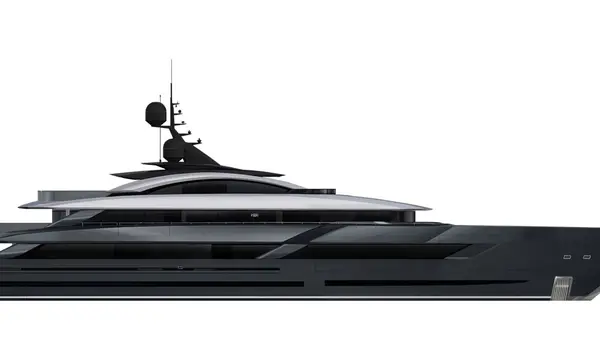
Turquoise Yachts is building the 76.25-metre Project Arrow with hybrid propulsion, 1,930 GT of volume and design by Enrico Gobbi and H2 Yacht Design.
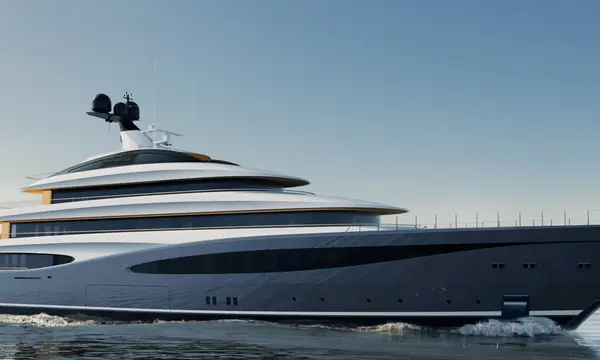
Turquoise Yachts’ 81-metre Project Rafale is under construction with H2 Yacht Design, three pools and a hybrid-focused technical package.
Vitters has marked the keel laying of 68-metre Project 3095, a Hoek-designed hybrid ketch scheduled for delivery in 2026.
Superyacht Guide
Continue into the wider Superyacht Guide.
Business opportunities · Superyacht Guide
Companies serving the superyacht market can discuss clearly identified advertising, sponsorship and business-profile opportunities. Commercial activity remains separate from independent editorial coverage.