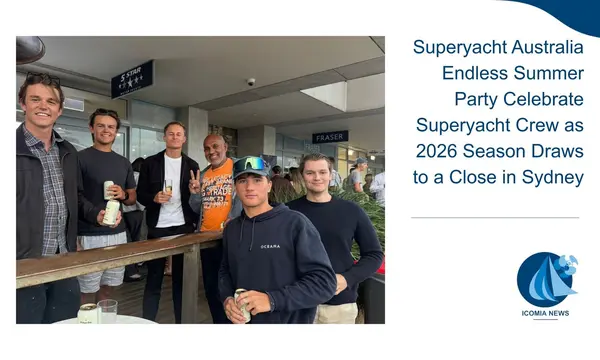
Superyacht Australia Recognises Sydney Crews at 2026 Endless Summer Gathering
Superyacht Australia reports 60 crew from 20 yachts attending its 2026 Endless Summer event at Sydney Superyacht Marina, with international crew networking.
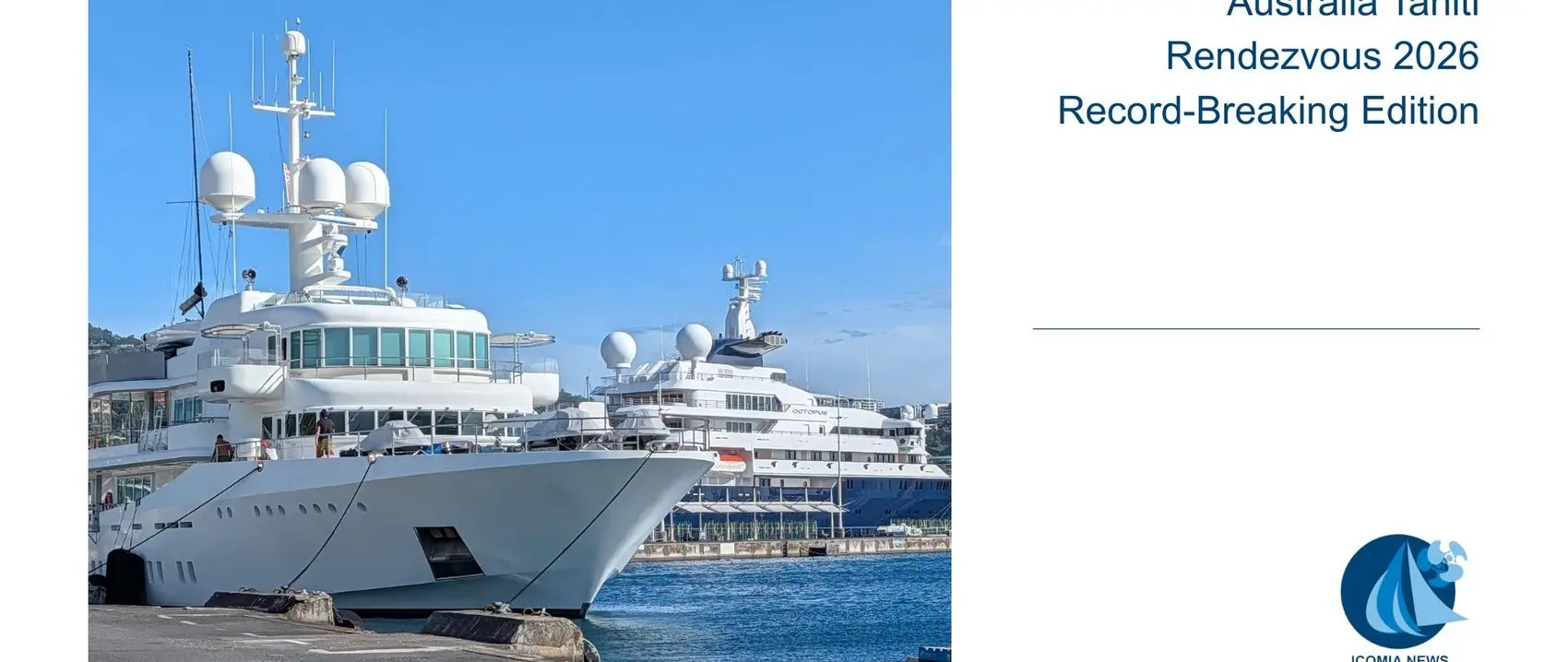
© ICOMIA / originating news and event partners. Official first-party editorial press image from the association’s release.
The Australia Tahiti Rendezvous records more than 150 visiting crew at Marina Taina, Papeete, with business discussions and a 100m yacht crew cooking win.
The Australia Tahiti Rendezvous welcomed more than 150 visiting superyacht crew to Marina Taina in Papeete on 25 and 26 June 2026, according to an official industry report published by ICOMIA on 3 July. The gathering, organised around relationships between Australian marine businesses and the French Polynesian yachting community, was described as the largest in its nearly twenty-year history. For the superyacht sector, the event is more than a social gathering. Captains who spend a season in the South Pacific need to understand where technical services, marinas, provisioning and practical help are available before they plan longer voyages.
Marina Taina serves a major yachting hub near Papeete, where vessels reaching the South Pacific may arrange crew changes and shore services. The rendezvous was hosted in a location where participants could meet visiting captains without the formality of a distant conference centre. The official release describes a significant presence of large yachts in French Polynesian waters during the event. That statement does not establish an independently audited fleet count for the whole region, but it explains the organisers' interest in meeting crews where they are already operating. Direct dialogue can be useful when the same yacht may later cruise Australia or other Pacific destinations.
A superyacht's captain and senior crew help select agents, shipyards and suppliers that can make an itinerary practical. A vessel may be owned privately, but its decisions can involve fuel, food, spare parts, port formalities, technical repairs and other services. Understanding those needs is important to the companies hoping to serve a yacht during a Pacific season. The rendezvous brought Australian firms into contact with people directly involved in daily vessel operations. It should not be interpreted as proof that every conversation became a contract. The measurable result is attendance and participation, while the commercial value of relationships develops over time.
The official report names participating businesses including Australian Superyachts, Carter Marine Agencies, CHAPMAN, d'Albora, Integ Marine Group, Main Beach Superyacht Marina, Melanesian Yachts, Superyacht Group Great Barrier Reef, The Yard Brisbane and Yachtsmiths. The list illustrates the breadth of the Australian offer, from marina services and technical work to regional agency support. It is not a directory of approved contractors for any particular vessel, nor an assurance that every business is equipped for all yacht sizes. Owners and captains should still verify qualifications, facilities and insurance. The event nevertheless shows how providers with different specialisms can present the South Pacific as a connected operating region.
Organisers describe almost twenty years of networking between the Australian superyacht industry and Tahiti. That history matters because Pacific cruising involves long passages, dispersed facilities and differing jurisdictions. A captain may be more comfortable planning a regional voyage when familiar with reliable contacts in several ports. Relationships built over repeated seasons can improve the flow of practical information, but a familiar name does not remove the need for current local advice. The 2026 gathering presented a mature collaboration rather than an entirely new alliance. Its record attendance was interpreted by the organisers as evidence of continuing interest in cruising beyond traditional Mediterranean and Caribbean routes.
Rivergate Marina and Shipyard sponsored a VIP Captains' Lunch, described as a central business element of the event. Attendees included an Australian Deputy Consul General for French Polynesia and local industry representatives. Such participation signals an interest in the connections among marine tourism, bilateral services and international yacht movements. It does not mean the attendees agreed new customs rules or port regulations. The conversations were reported as covering logistics, provisioning and opportunities associated with the Brisbane 2032 marine programme. Captains should continue to obtain official regulatory information separately while viewing this kind of meeting as a route to useful contacts.
The Brisbane Olympic and Paralympic Games in 2032 have stimulated discussion about future superyacht arrivals to Australia and the wider region. The rendezvous report identifies the marine programme as part of its conversations, not a confirmed schedule for vessels to attend the Games. Long-range yachts may consider combining an Australian visit with French Polynesian cruising, but practical plans will depend on berth availability, customs requirements, seasonal weather and suitable technical support. It would be misleading to convert the fact that a topic was discussed into a forecast of economic output. The importance lies in preparing infrastructure and relationships early enough to serve actual demand if it materialises.
The event included the Pacific Provisions Cooking Competition, with teams tasked to prepare food combining Australian and French Polynesian ingredients. According to the first-party report, the crew of the 100-metre motor yacht PI won the competition. The result is a specific event outcome, rather than a claim about the vessel's wider operations or chef credentials. Such activities demonstrate the skills of onboard hospitality teams, which are important to guest experience but often less visible than bridge and engineering work. Recognising crew expertise can strengthen professional relationships and help explain why events are valued by people working long hours aboard yachts.
The programme concluded with a barbecue and evening gathering that included Polynesian cultural entertainment, with more than 150 crew participating. The source describes this as the most highly attended dockside celebration in the event's history. Social hospitality can build trust, but should not be confused with a formal industry training programme or a commercial transaction. The practical benefit is an opportunity for crew members and suppliers to speak informally about voyages, services and local experience. Organisers regard this atmosphere as part of the rendezvous's appeal. Its importance to industry relationships is plausible, while specific downstream business results remain unverified.
A yacht reaching French Polynesia has already made significant passage decisions and may be considering where to cruise next. The distance to Australian facilities can be considerable, and a prospective visit needs reliable weather planning and technical logistics. Yacht representatives who meet Australian providers in Tahiti may learn which ports can support a refit, where to arrange spare parts and how to approach an itinerary. These are topics that require individual verification and may change over time. A rendezvous is useful when it makes those enquiries easier, not when it encourages crews to assume that every Pacific port offers identical capabilities.
The range of Australian firms matters because large-yacht operations rarely rely on one provider alone. A technical issue may require engineering and fabrication, while guests expect efficient transport, provisioning and marina services. An experienced agent can help coordinate local arrangements, but cannot replace the skills of specialists. The 2026 participant list provides evidence that different service categories were represented. It would still be inappropriate to recommend a company solely because it attended. Buyers should check current facilities, references, financial stability and the actual equipment they need, with particular care when a yacht cannot easily wait for supplies in a remote port.
The presence of a consular representative creates a valuable connection between industry participants and public authorities. However, port-entry and movement requirements are established by the relevant governments, not by a networking event. A yacht may need to consider immigration, customs, registration, biosecurity and charter rules across multiple Pacific jurisdictions. Operators should seek updated official guidance before crossing borders. The rendezvous can help identify questions and direct people toward knowledgeable contacts, but it is not a substitute for legal or administrative confirmation. That distinction protects captains from treating informal advice as binding permission.
Local yacht activity can generate demand for marinas, chandlers, shipyards, accommodation and specialist services. The organisers presented the record turnout as evidence of growing South Pacific engagement. The event itself did not publish a verified economic impact figure for the visiting fleet, so the number of people at a barbecue cannot be converted into regional spending. Economic benefits should be assessed with vessel movement data, service receipts and consistent definitions. Nevertheless, the commercial logic behind the gathering is clear: businesses want to understand and respond to the needs of yachts that may spend weeks or months in the region.
Captains and crew may work internationally, and a Pacific rendezvous can connect professionals with service networks extending far beyond their current marina. These contacts may become valuable in future cruising seasons, but the usefulness of any relationship depends on continued communication and reliable delivery. The 2026 gathering included discussion among Australian and Tahitian participants, creating opportunities to compare local requirements. It can also help crews learn about the character of different operating destinations. No particular recruitment or employment result is reported by the source, and the event should not be presented as a formal hiring initiative.
More than 150 crew members is a strong turnout for a focused regional gathering, and the organisers described it as a record. It does not establish the total number of superyachts cruising French Polynesia, the size of the local charter market or the proportion of the global fleet considering Australia. Individual yachts have different crew sizes, and not every attendee necessarily represents a separate vessel. Responsible reporting keeps the number attached to the event rather than extending it into a fleet statistic. The evidence is important without exaggeration: a long-running industry meeting attracted substantial professional participation in 2026.
A successful gathering should lead to practical follow-up. A supplier may send a captain relevant service information; a marina operator could clarify berth restrictions; a yacht manager may compare maintenance options across Pacific destinations. Those actions are more consequential than the event's atmosphere when a yacht later needs assistance. The value of repeat relationships is that businesses can develop confidence over time. The 2026 report does not follow every participant through subsequent transactions, so commercial success remains to be demonstrated. Owners and managers should treat the rendezvous as an established source of industry contacts, while verifying each service independently.
The Australia Tahiti Rendezvous has demonstrated that the South Pacific superyacht community can sustain a multi-day event combining business and professional recognition. Its 2026 record of more than 150 visiting crew, held at Marina Taina on 25 and 26 June, is the verified headline. The presence of Australian marine businesses and the captains' lunch points to long-standing cooperation between service providers across the region. It is not an announcement of new port permissions or a quantified market boom. For superyacht captains considering future voyages, the real significance is an expanding network of people who understand the practical demands of operating far from the main European yacht hubs.
Continue reading
Superyacht Australia reports 60 crew from 20 yachts attending its 2026 Endless Summer event at Sydney Superyacht Marina, with international crew networking.
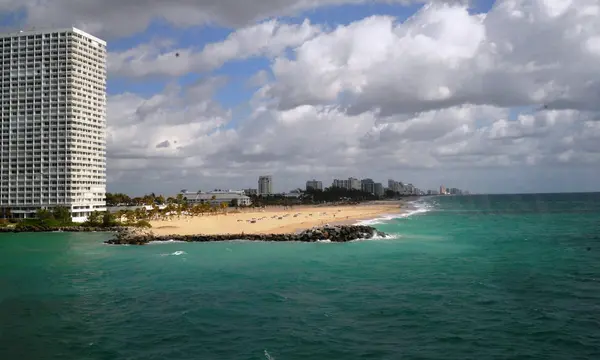
SeaKeepers has published attendance and fleet participation figures for its completed Fort Lauderdale Founders gala, recognising conservation leaders and yacht crews who support marine …
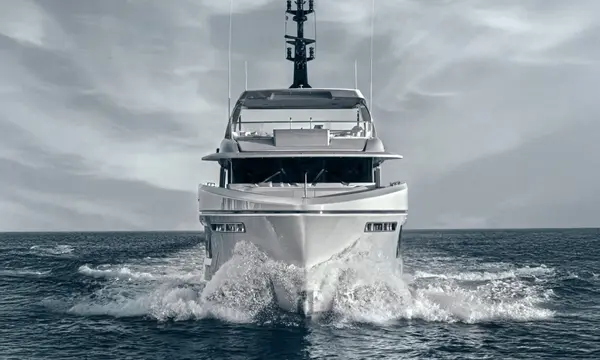
STELLAMAR's 35-metre RJ 115 design shows how expedition-grade engineering and Italian interior architecture can share one coherent owner-focused superyacht.
Fraser has published its October 23 Fort Lauderdale Forum programme for yacht captains, with sessions on crew welfare, regulation, insurance and safety.
Superyacht Guide
Continue into the wider Superyacht Guide.
Business opportunities · Superyacht Guide
Companies serving the superyacht market can discuss clearly identified advertising, sponsorship and business-profile opportunities. Commercial activity remains separate from independent editorial coverage.