
Avikus Brings Superyacht AI Navigation Integration Debate to IBEX 2026
By Stephen Yardley · Edited by Stephen Yardley
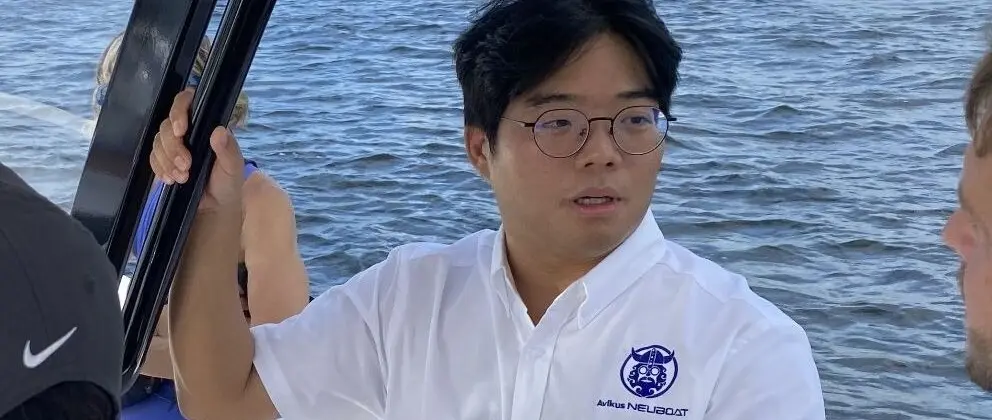
Avikus USA executive Sangwon Shin is discussing how sensors, steering, propulsion and AI need to operate as one system for future assisted superyacht navigation.
Avikus USA vice president Sangwon Shin addressed the subject of advanced navigation at IBEX 2026 in Tampa, considering lessons from driver-assistance technology developed for road vehicles. Applying similar ideas at sea is not a straightforward transfer: marine sensors observe a less structured environment, and the behaviour of a moving vessel differs substantially from that of a car.
The discussion focuses on connecting cameras, navigation displays, steering, propulsion and control software rather than presenting a single new sensor as an autonomous captain. For larger yachts, that integration is particularly important because bridges already contain equipment from different suppliers and may need to support several distinct operating modes.
A camera can identify the outline of a buoy or small craft, while radar and AIS provide different kinds of information. None alone tells the complete story. A vessel's onboard software must combine the available inputs, consider its own speed and heading and present possible hazards in a form a watchkeeper can act on.
A crew must also distinguish reliable sensor readings from false alarms. Fog, glare, backlighting, spray and targets without AIS can all produce difficult cases. A design that works smoothly in a demonstration harbour may require considerably more testing before it is trusted in narrow passages, busy anchorages or at night.
Avikus offers its NEUBOAT product family for recreational marine use, including docking and navigation assistance. Docking aids work at low speed, where controlled steering and propulsion commands can be helpful when manoeuvring a boat close to a berth. Offshore navigation introduces different priorities, such as recognising complex traffic situations and allowing sufficient time for a safe change of course.
Describing an aid as autonomous can obscure how much human oversight remains necessary. For a large yacht, bridge procedures must define when assistance is engaged, what the crew is expected to monitor and how quickly control can be returned to a responsible operator.
Shin has argued that builders should design for electronic assistance from the outset rather than treating it as an isolated accessory fitted late in construction. A well-integrated installation needs reliable networking, suitable sensor positions, power supplies, diagnostics and a clear interface between machinery and bridge controls.
This can affect the yard's electrical design, sightlines and software testing programme. Additional equipment may be easier to fit physically than to integrate safely across the complete system, especially when navigation instruments and steering components have different update cycles.
The IBEX discussion illustrates how marine electronics firms are exploring the advantages of shared information between onboard systems. Better assistance may reduce routine workload and improve awareness if it is configured and operated properly.
It does not establish that a superyacht can navigate without qualified watchkeepers or ignore the International Regulations for Preventing Collisions at Sea. Any installation needs to be evaluated in the context of the yacht's operating profile, classification requirements and the captain's continuing responsibility.
Explore
Go deeper into the yachts, companies, events and destinations directly connected to this article.
Continue reading
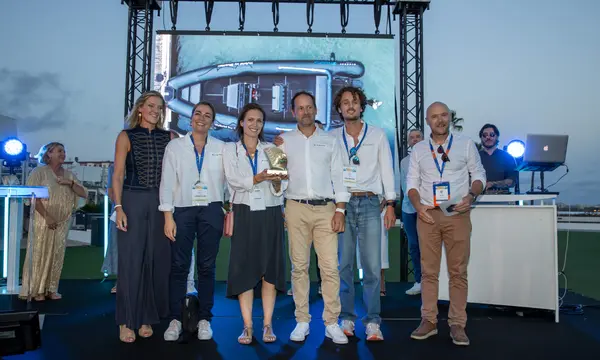
BlueNav Smart Mooring has won the Cannes Innovation Route award for navigation equipment, using electric propulsion and precision positioning.
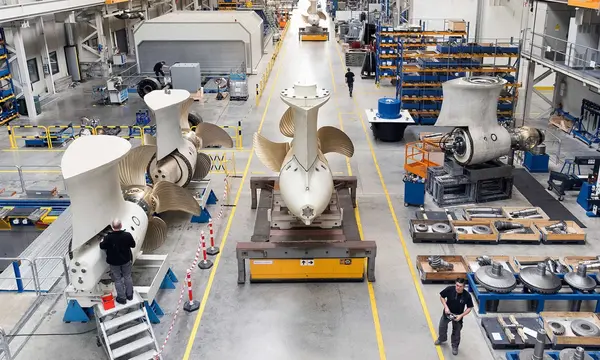
Schottel reports 20 superyachts on order with its forward-facing EcoPeller azimuth propulsion system, highlighting efficiency, manoeuvrability and reduced onboard noise.
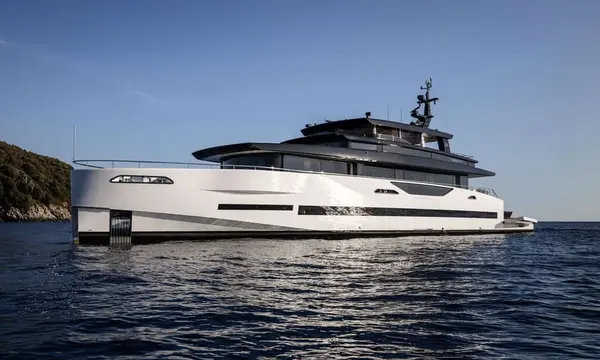
GX Superyachts has presented the 42-metre GX42 with a parallel hybrid drivetrain, substantial battery storage and solar generation integrated into one energy-management architecture.
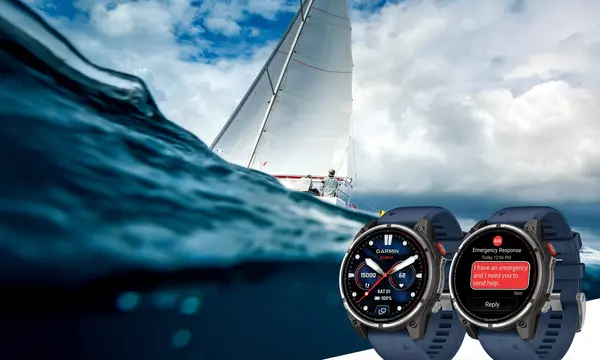
Garmin’s quatix 8 Pro combines inReach satellite and LTE connectivity, marine controls, SOS support and up to 15 days of smartwatch battery life.
Superyacht Guide
Continue into the wider Superyacht Guide.
Business opportunities · Superyacht Guide
Companies serving the superyacht market can discuss clearly identified advertising, sponsorship and business-profile opportunities. Commercial activity remains separate from independent editorial coverage.