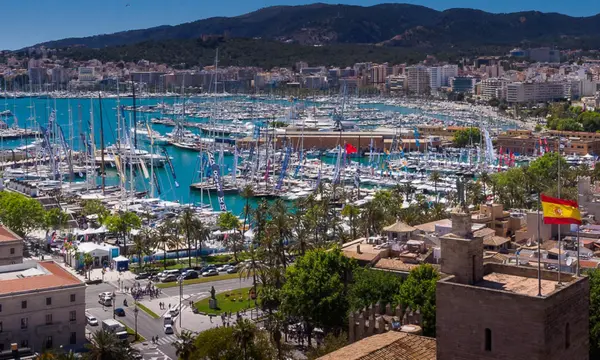
Palma Superyacht Marinas: Berthing, Refit and Crew Support
Palma combines superyacht berthing up to 170 metres with major refit facilities at STP Shipyard Palma and Astilleros de Mallorca. This guide compares berth …
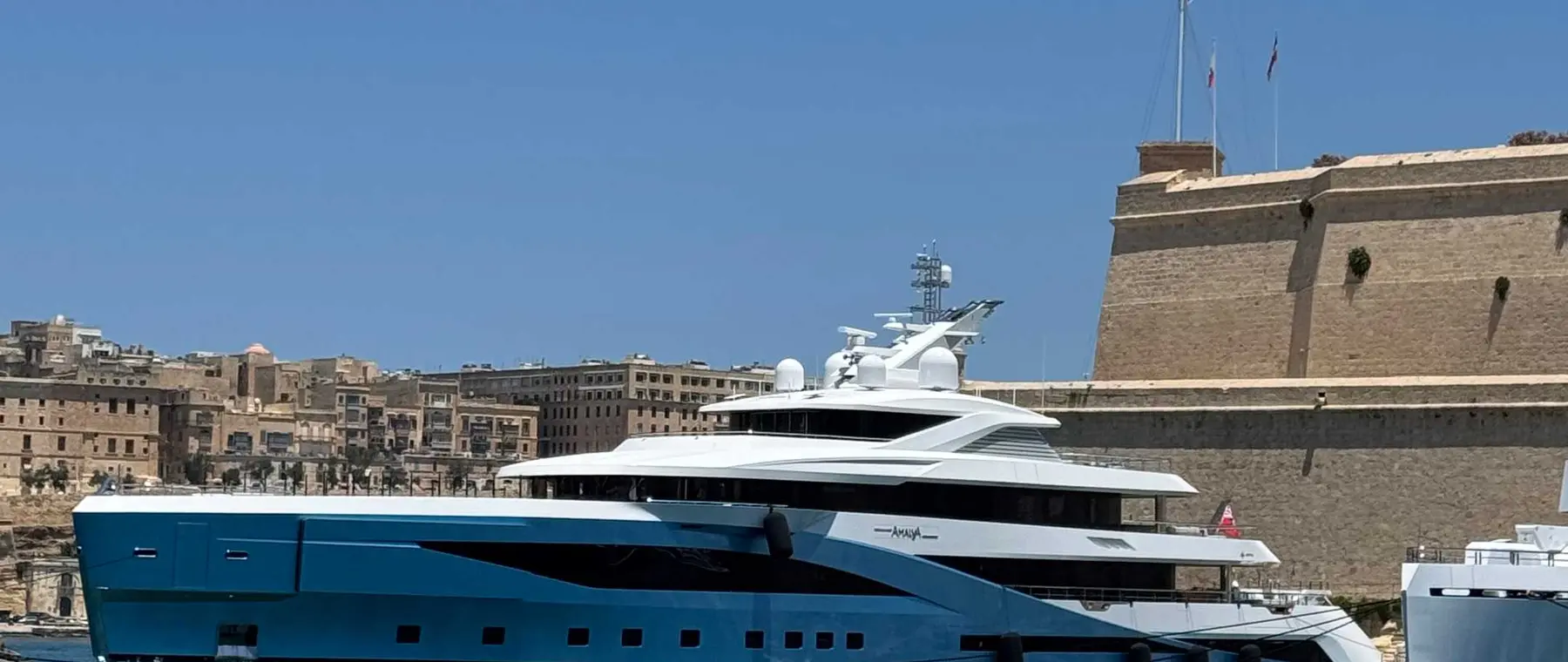
Image: Grand Harbour Marina
Choosing a Mediterranean winter berth involves far more than finding an empty quay. Superyacht Guide ranks seven leading winter bases for shelter, refit access, crew support, airport connections and year-round operations.
The Mediterranean superyacht season may peak between May and September, but the months after the summer programme can be just as important operationally. A yacht spending five or six months alongside needs more than an attractive waterfront: it needs secure shelter, reliable shore power, contractors, refit capability, airport access and somewhere its crew can live comfortably throughout the winter.
That changes the marina hierarchy considerably. Some highly desirable summer destinations become quieter and less practical out of season, while working ports in Malta, Montenegro, Spain, Italy and France become stronger propositions once maintenance, logistics, long-term security and crew welfare are given greater weight.
This is a separate editorial comparison from Superyacht Guide's Best Superyacht Marinas in the Mediterranean: 2026 Data Ranking. The winter ranking gives greater weight to harbour shelter, maintenance and refit access, year-round functionality and crew support, while giving less weight to summer charter prestige and seasonal owner-facing activity.
The editorial scoring model weights shelter and security at 25%, refit and technical access at 25%, the year-round crew and owner environment at 20%, airport and logistics connections at 15%, large-yacht berth capability at 10%, and an explicit winter or long-stay programme at 5%. Scores are comparative editorial assessments rather than marina certifications, contractual guarantees or statements that a berth is currently available.
Grand Harbour Marina ranks first because its winter proposition is unusually complete. The marina operates a dedicated October-to-March winter programme for superyachts of 40 metres and above, combining long-stay berthing with a naturally protected harbour, 24-hour services and a location that remains operational throughout the quieter Mediterranean months.
Technical access is one of Malta's strongest advantages. Palumbo Malta sits adjacent to Grand Harbour Marina and provides major engineering and refit capability, including a 160-metre graving dock and a 140-metre covered dock, allowing substantial winter work to be undertaken without repositioning the yacht to a different regional refit centre.
Malta also works particularly well logistically. Malta International Airport is approximately 15 minutes from the marina, while the operator cites typical winter daytime temperatures of around 12°C to 18°C, making crew rotations, owner visits and continuing central-Mediterranean cruising easier than at many northern winter bases.
Porto Montenegro has developed one of the Mediterranean's clearest dedicated winter-berthing programmes. Its published winter season runs from 1 October to 1 May, with packages allowing yachts to remain for seven months while paying for six, supported by 24/7 security, contractor access and the ability to carry out winter maintenance directly at the berth.
The marina's real strength is that the surrounding destination remains active outside summer. A dedicated Crew Club, contractor network and year-round waterfront community make Porto Montenegro particularly attractive when a permanent professional crew will remain with the yacht throughout the winter.
Marina Port Vell explicitly positions itself as a superyacht base throughout the autumn and winter Mediterranean seasons. The purpose-built marina publishes 73 berths for superyachts up to 190 metres, while its central Barcelona location places the yacht immediately beside a major European city's transport, hospitality, healthcare and supply infrastructure.
Barcelona's year-round city economy is the decisive advantage. For yachts requiring contractors, provisioning, repeated crew changes or owner access without leaving the Mediterranean, Marina Port Vell combines large-yacht capability with one of the strongest urban logistics environments in the region.
Marina Genova is particularly strong where a winter berth is primarily an operational decision. Genoa combines a working commercial port, an established superyacht service economy and large-yacht berthing, making it well suited to vessels expecting regular contractor movements, technical work and frequent logistics activity.
The surrounding Genoa yachting cluster is the decisive advantage. A winter programme involving engineering, warranty work, equipment servicing, spares deliveries or repeated crew changes can be easier to manage from a major industrial and maritime centre than from a more seasonal resort marina.
Port Tarraco is designed around large-yacht berthing and provides a substantial operational base on the Spanish Mediterranean coast. Its infrastructure is particularly relevant to vessels requiring extended stays, technical support and enough working space for an active winter maintenance programme.
Tarragona's attraction increases when refit work is planned. Port Tarraco maintains direct links with PTW Shipyard and Astilleros de Mallorca, giving yachts access to engineering, electrical, AV/IT, paint, interior, spares procurement and planned-maintenance capabilities while remaining based within the marina environment.
Port Vauban remains one of the Mediterranean's most important large-yacht centres after the summer season ends. Its position in Antibes places yachts at the heart of the French Riviera's mature network of yacht agents, technical suppliers, crew services and specialist contractors, creating a strong operational environment for an extended winter stay.
The established crew community is particularly valuable over several months. Antibes has decades of experience supporting professional yacht crews ashore, which makes the location attractive for vessels whose winter programme requires training, recruitment, contractor access and a large existing yachting community rather than simply secure storage.
Club de Mar-Mallorca gives wintering yachts direct access to Palma's extensive superyacht service and refit economy. The marina publishes more than 70 moorings for superyachts, megayachts and gigayachts and states that it can accommodate yachts ranging from 40 metres to 170 metres.
That wider Palma ecosystem makes the marina particularly effective for technically active yachts. A vessel undergoing scheduled maintenance can source specialist labour and equipment locally while its crew remains in a substantial year-round city with established international yachting infrastructure.
Shelter is the starting point, but it is not enough on its own. A well-protected harbour can still be inconvenient if contractors are difficult to access, shore power is limited, airport connections are poor or most of the surrounding town closes between November and March.
Technical capability becomes much more important during winter because the off-season is when many yachts schedule engineering overhauls, paint work, class surveys, AV and IT upgrades, interior projects and planned maintenance. Grand Harbour, Genoa and Tarragona therefore become stronger in a winter comparison than they might in a ranking centred primarily on summer lifestyle.
Crew welfare deserves similar attention. A yacht with 15, 25 or 40 permanent crew remaining aboard for several months needs gyms, shops, transport, healthcare, training and a functioning social environment, which helps explain the strong winter performance of Barcelona, Antibes, Palma and Porto Montenegro.
Grand Harbour Marina is the strongest all-round choice in this comparison because it combines an explicit large-yacht winter programme, natural shelter, mild conditions, international air access and major refit capability within the same harbour. Porto Montenegro follows extremely closely for yachts prioritising an organised winter community, while Marina Port Vell offers perhaps the strongest combination of very large berths and major-city access.
Marina Genova and Port Tarraco become increasingly attractive as the amount of planned technical work rises, while Port Vauban remains a natural home for yachts already embedded in the Riviera service economy. Club de Mar-Mallorca is particularly compelling when a yacht's winter programme is centred on Palma's established refit, contractor and crew ecosystem.
The final decision still has to be made yacht by yacht. Captains and managers should obtain written confirmation of berth dimensions, draught, displacement limits, shore-power requirements, mooring arrangement, contractor access, security terms and winter pricing before committing to a seasonal contract, because a published maximum yacht length never guarantees that a suitable berth is available for a particular vessel.
Continue reading
Palma combines superyacht berthing up to 170 metres with major refit facilities at STP Shipyard Palma and Astilleros de Mallorca. This guide compares berth …
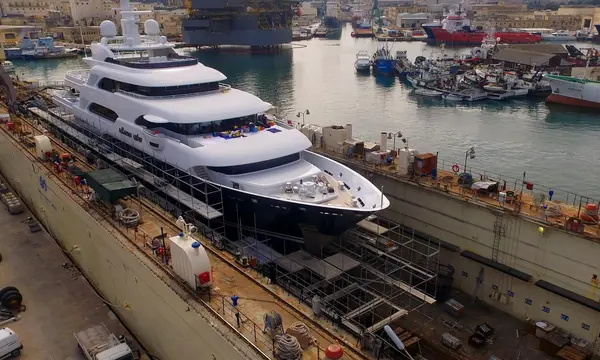
Malta-based Melita Marine Group has started construction on a waterfront facility for captains and crew during yacht refits, with a gym, sauna, shared social …

An IYC and SuperYacht Times panel at Monaco Yacht Show 2026 examined how crew rest, staffing, mental wellbeing and working culture affect the guest …
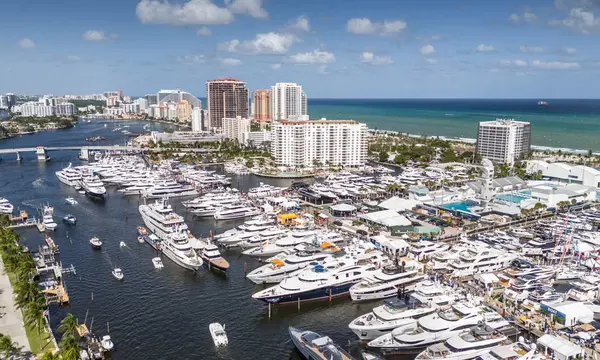
Fraser has published its October 23 Fort Lauderdale Forum programme for yacht captains, with sessions on crew welfare, regulation, insurance and safety.
Superyacht Guide
Continue into the wider Superyacht Guide.
Business opportunities · Superyacht Guide
Companies serving the superyacht market can discuss clearly identified advertising, sponsorship and business-profile opportunities. Commercial activity remains separate from independent editorial coverage.