Yacht Chef Salary 2026: Pay, Tips and Charter Earnings
Yacht Chef Salary 2026: Pay, Tips and Charter Earnings Yacht-chef pay depends on yacht size, private or charter use, professional background, qualifications, rotation and …
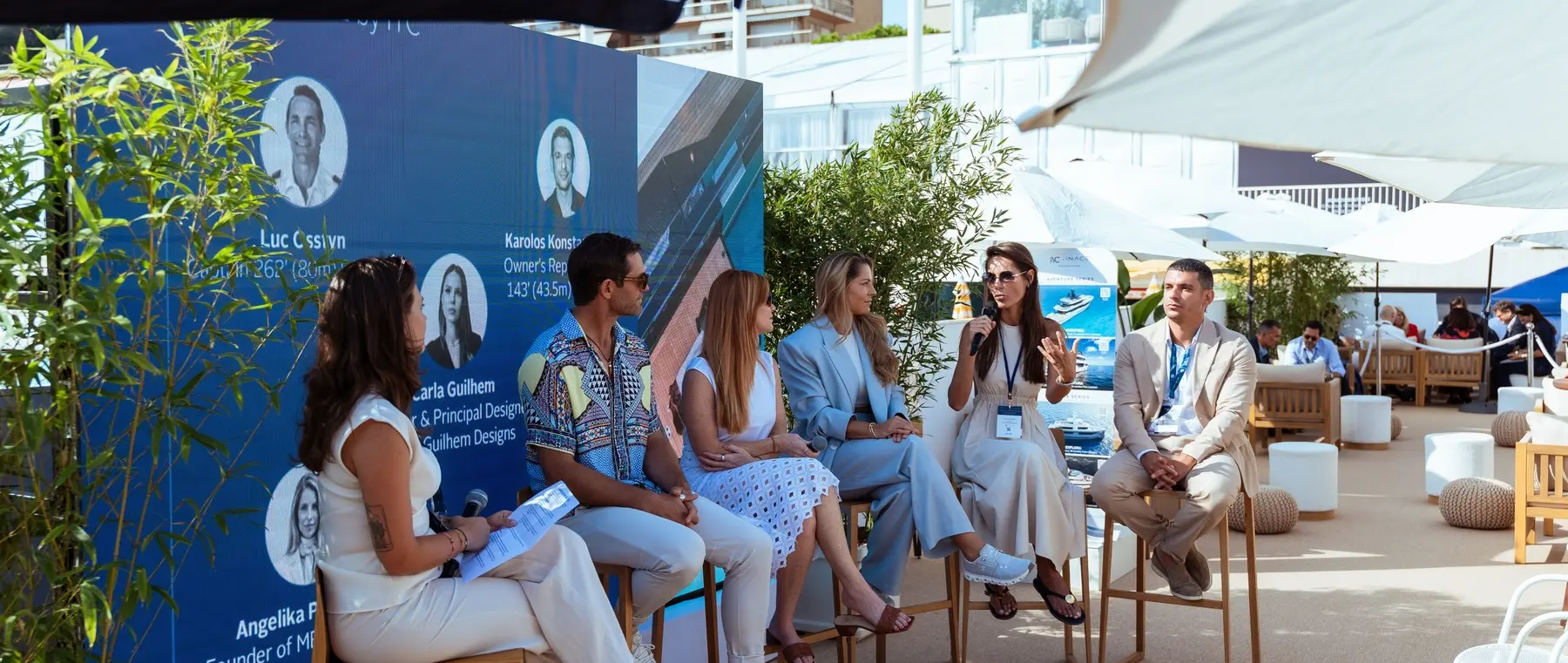
An IYC and SuperYacht Times panel at Monaco Yacht Show 2026 examined how crew rest, staffing, mental wellbeing and working culture affect the guest charter experience.
A discussion convened by IYC and SuperYacht Times at the 2026 Monaco Yacht Show has put a different question alongside the industry's growing investment in guest wellness: how healthy are the people who operate the yachts? A detailed account released on October 20 revisits the panel's argument that luxurious spas and treatment rooms cannot compensate for crew who lack sleep, recovery time or sufficient support.
The speakers represented operational, charter, interior design and wellbeing perspectives rather than presenting a single new product. Their shared point was that the quality of a superyacht experience depends on the working environment behind the guest areas, especially when yachts undertake repeated charters and crew remain aboard for extended periods.
Participants included Captain Luc Osstyn of the 80-metre Oceanco BATELLO and Angelika Paprotny, a chief stewardess on a yacht exceeding 100 metres and founder of MER Longevity. They were joined by IYC charter consultant Heather Hatcher, owner representative Karolos Konstandinidis of the 43.5-metre Tecnomar THIS IS IT and superyacht designer Carla Guilhem.
The mix is significant because these roles meet crew welfare from different directions. A captain controls daily operations and watches, a representative weighs expectations and schedules, a charter adviser assesses the quality of guest delivery, and a designer can influence how the yacht accommodates both guests and the people serving them.
Osstyn said wellbeing cannot be reduced to a list of facilities. The captain's decisions about departure times, raising anchor, vibration and machinery noise can affect sleep below decks, while the timetable of a charter shapes whether crew are sufficiently rested to work safely and attentively.
The implications extend beyond accommodation standards. In an active charter programme, a crew member who is repeatedly interrupted during rest may not gain much from the existence of a gym or wellness facility elsewhere aboard. Good design can help control sound and provide privacy, but sensible operational planning is still necessary.
Konstandinidis highlighted the interval between guest trips as an important part of crew welfare. He argued against running charters back to back without adequate opportunities to rest, speak to family and prepare for the next group, identifying a practical constraint that owners and commercial managers can influence.
Hatcher agreed that exhausted crew are not good for a charter programme. From a broker's viewpoint, a rotation system can indicate that a yacht is planning for sustained high service standards rather than relying on an overstretched team during a busy season. Rotation is not by itself a guarantee of a healthy culture, but it gives managers an operational tool.
Paprotny drew attention to mental wellbeing as well as physical condition, noting that exercise facilities are only one part of the picture. Crew also need to feel able to explain when they are struggling, particularly in the confined and hierarchical environment of a yacht where work and home overlap.
The panel advocated regular individual conversations and access to people the crew trust. Those measures may make problems more visible before fatigue, tension or stress undermine work on board. The speakers' remarks were professional perspectives, not findings from a clinical trial or a new regulation governing crew rest.
One of Osstyn's strongest concerns was the relationship between yacht size and staffing. A very large yacht may provide impressive volumes for guest amenities while still depending on a relatively small team to deliver housekeeping, dining, navigation, maintenance and watersports for long hours each day.
Simply assigning more interior space to wellness does not solve that workload mismatch. Managers need a credible staffing model that reflects the vessel's actual use, the number of guests and the demands of operating its equipment. Requirements will vary between private use, occasional charter and a commercially intensive programme.
Guilhem's participation placed interior design in the conversation. Crew circulation, access to quiet spaces and practical working layouts can help reduce friction during service, but none will substitute for humane scheduling or a culture in which managers respond to concerns raised by their teams.
Newer wellness equipment, wearables and recovery treatments may have a useful role when applied appropriately. Still, any programme should distinguish marketing claims from evidence, and personal health information should be handled with care rather than turned into an informal measure of job performance.
For owners of yachts of 24 metres and above, the panel offers several questions worth asking before a busy season: does staffing match the planned itinerary, are watch schedules and turnaround windows workable, and is there a credible route for crew to discuss concerns without embarrassment? For charter managers, the quality of the onboard working environment should be considered alongside the guest amenities shown in sales photography.
The discussion was reported by SuperYacht Times on October 20, with an earlier account and event photographs in the Yacht Charter Market newsletter. It should be read as an industry conversation about working standards, not as evidence that every yacht has the same problems or that an announced regulation has taken effect.
Continue reading
Yacht Chef Salary 2026: Pay, Tips and Charter Earnings Yacht-chef pay depends on yacht size, private or charter use, professional background, qualifications, rotation and …
Superyacht Crew Tips: How Much Can Crew Earn on Charter? Charter-yacht crew often receive discretionary guest tips, but tips are not guaranteed salary and …
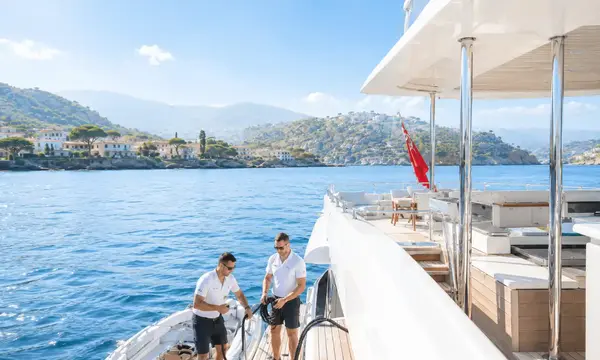
During a charter, the captain has to balance guest expectations with crew capability, rest requirements and a weather picture that can change by the …
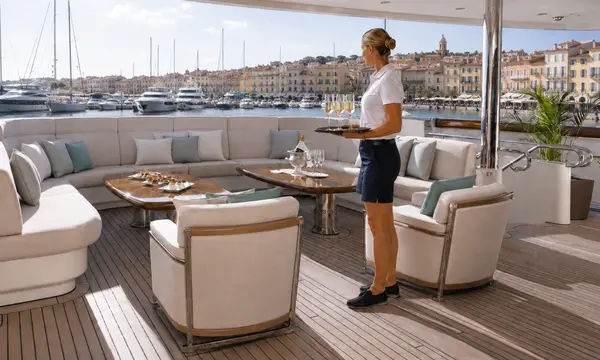
Guests may experience the first day of a superyacht charter as a seamless transition from airport to anchorage. For the crew, it is a …
Superyacht Guide
Continue into the wider Superyacht Guide.
Business opportunities · Superyacht Guide
Companies serving the superyacht market can discuss clearly identified advertising, sponsorship and business-profile opportunities. Commercial activity remains separate from independent editorial coverage.