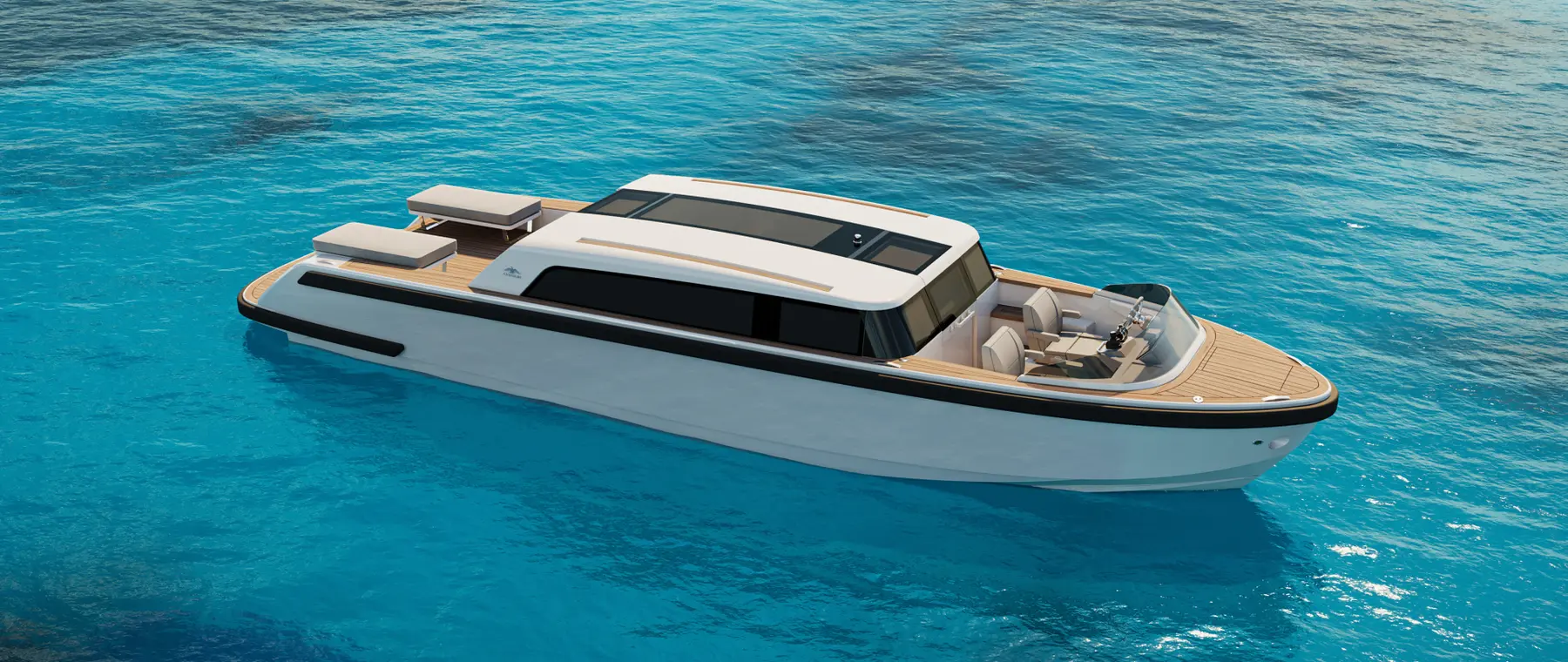
Castoldi JT34 Limo Brings Twin-Engine 10.5m Tender to Superyachts
By Stephen Yardley · Edited by Stephen Yardley
Image: Castoldi / Monaco Yacht Show
Castoldi’s new 10.5m JT34 Limo combines twin waterjet propulsion, an enclosed air-conditioned cabin and seating for 12 guests plus two crew.
Castoldi Jet Tenders is presenting the JT34 Limo, a 10.5-metre twin-engine limousine tender aimed at superyachts and luxury cruise operations. The 2026 model combines an enclosed air-conditioned guest cabin with seating for up to 12 passengers plus two crew and a quoted maximum speed of 36 knots.
The tender is notable because Castoldi describes it as an optimised series product rather than a one-off custom build. For yacht owners, that can bring the refinement of a limousine tender while reducing some of the engineering and support complexity associated with completely bespoke auxiliary craft.
The JT34 Limo uses a pair of Castoldi TD284HCT waterjets rather than exposed propellers. Waterjets can improve manoeuvring around the mother yacht and reduce the risk posed by rotating external propellers to swimmers, marine life and personnel working close to the tender.
They also allow the propulsion package to be integrated around a relatively shallow draft, which is useful for beach approaches and coastal transfers. Efficiency still depends on hull design, loading and operating speed, so waterjets are not automatically the lowest-consumption solution in every duty cycle.
A limousine tender is expected to protect guests from wind, spray, heat and noise while providing a cabin finish that feels consistent with the mother yacht. That creates a very different design problem from an open rescue boat or watersports tender.
The JT34 Limo's enclosed, air-conditioned cabin and 12-guest capacity position it for formal transfers between yacht and shore, particularly when guests are dressed for events or when weather conditions make an open boat uncomfortable. Two dedicated crew positions support professional operation without reducing guest seating.
Castoldi quotes a maximum speed of 36 knots, giving the tender enough performance for longer guest transfers without moving into extreme high-speed territory. For a large yacht anchored away from a harbour, cutting transfer time can materially change the guest experience and the crew schedule.
Speed also increases the importance of seating ergonomics, visibility, structural design and ride quality. A tender that can reach the mid-30-knot range still has to remain comfortable in the short steep chop often encountered around busy Mediterranean anchorages.
Large yachts increasingly carry tenders that are sophisticated vessels in their own right, with HVAC, electronics, engines and premium interiors requiring dedicated maintenance. A series-built platform can make parts supply, documentation and service procedures easier to standardise over time.
The JT34 Limo therefore matters beyond its headline dimensions. It shows a specialist tender builder bringing a more repeatable production approach to a category traditionally dominated by highly customised craft, while retaining the performance and presentation expected alongside a modern superyacht.
Explore
Go deeper into the yachts, companies, events and destinations directly connected to this article.
Continue reading

Foreship by RINA will exhibit at Monaco Yacht Show 2026, presenting yacht design, marine engineering, refit and sustainability consulting capabilities from Darse Sud.
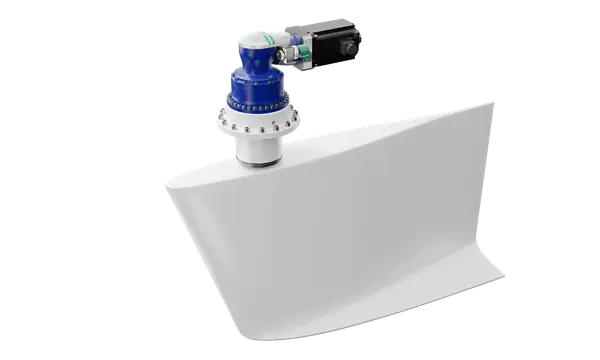
CMC Marine says its Energy Recovery System can recover energy from electric stabiliser fins and reduce stabiliser power consumption by up to 50%.
Raymarine Commercial will bring Pathfinder radar and ECDIS to Monaco 2026, alongside FLIR thermal imaging for professional yacht bridge systems.

Videoworks and COTON/INVISI will demonstrate immersive audio at Monaco 2026, showing how adaptive sound could become part of luxury yacht interior design.
Superyacht Guide
Continue into the wider Superyacht Guide.