Sardinia Explores Biomethanol for Superyachts at METSTRADE
By Superyacht Guide Newsroom · Edited by Superyacht Guide Newsroom
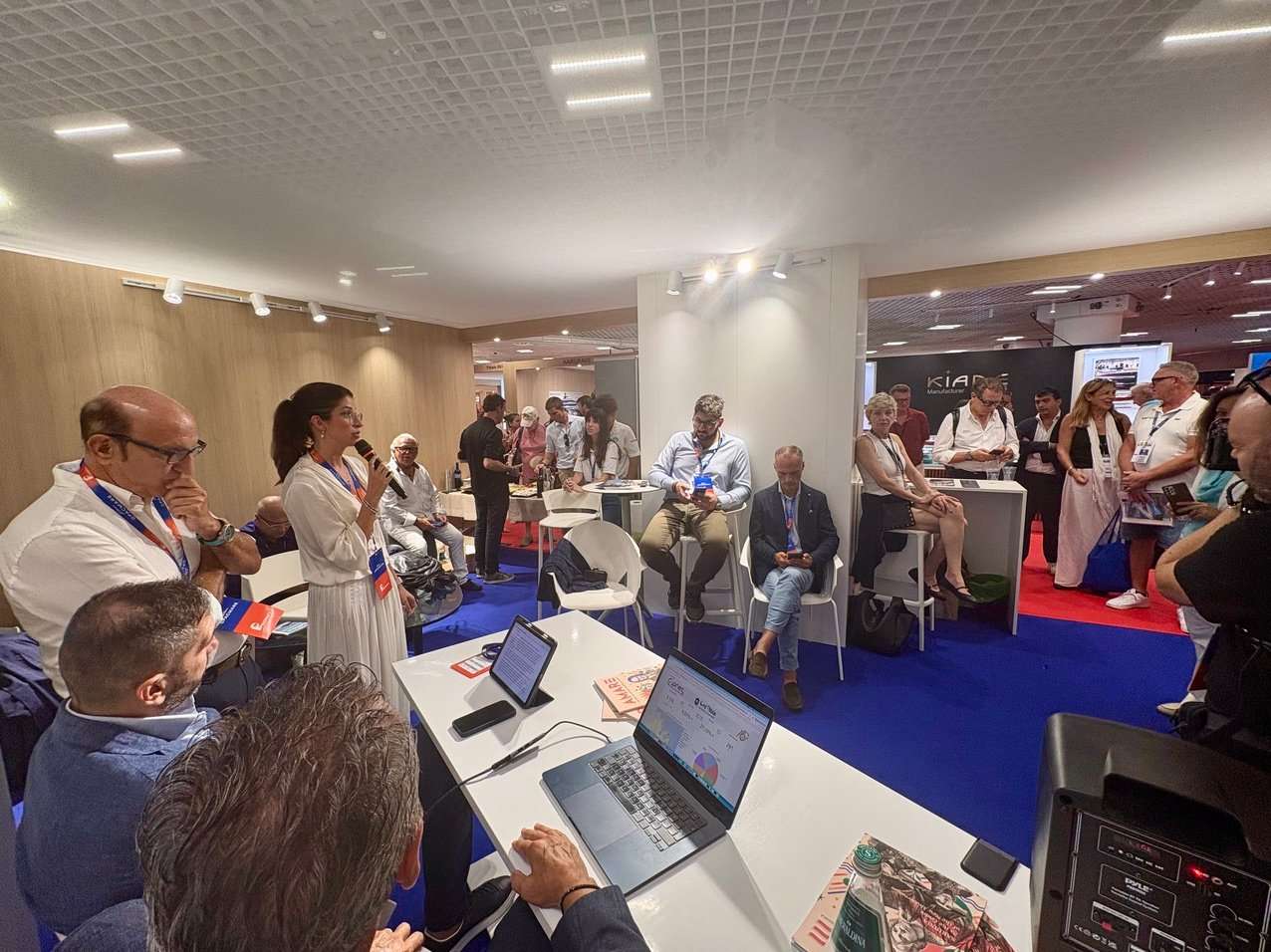
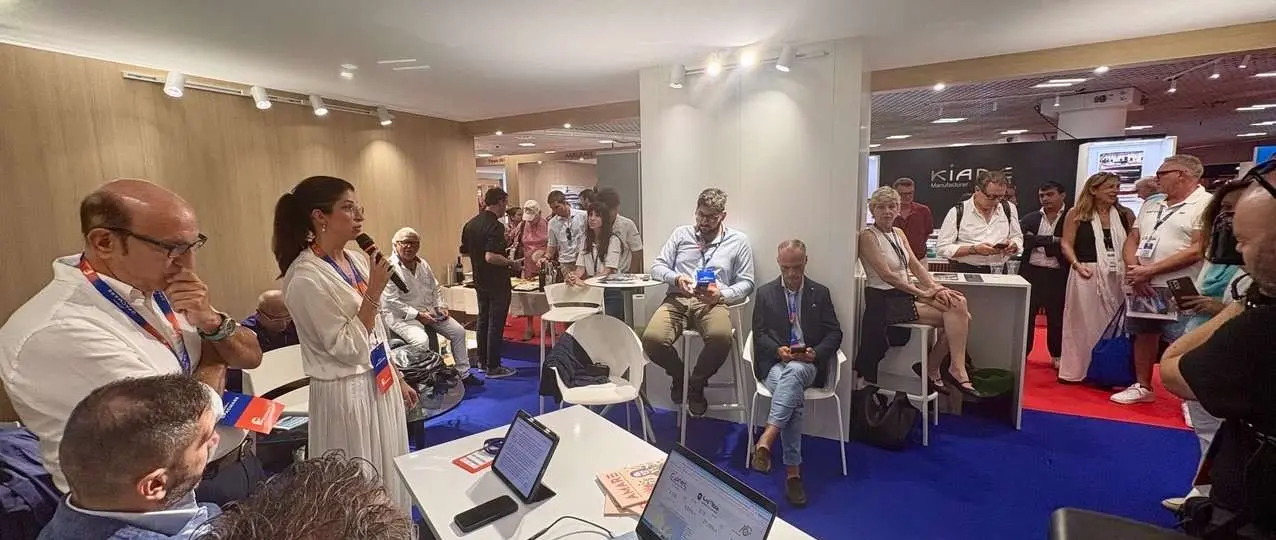
Sardinian marine industry — CIPNES Gallura announcement photograph
CIPNES Gallura and the Sardinian regional government will discuss a biomethanol research project and the region’s superyacht economy at METSTRADE on 18 November.
CIPNES Gallura and the Autonomous Region of Sardinia have announced a presentation at METSTRADE that will examine the connection between visiting superyachts, the local tourism economy and research into fuel production from organic waste. Their 13 November release identifies a session on Wednesday 18 November at 11:00, at stand 07.462 in Amsterdam. Professor Flavio Manenti of Politecnico di Milano will outline a project investigating the production of biomethanol with possible marine applications. The announcement concerns research and an industry discussion, not the opening of an operational marine methanol bunkering service in Sardinia.
The subject is worth examining because coastal regions receiving large yachts are places where several material and energy flows intersect. Tourism businesses consume resources, waste needs to be handled, and visiting vessels require fuel and other services. A circular-economy project might seek to connect some of those activities rather than treating them solely as unrelated industries. Whether a particular pathway is technically practical or commercially competitive depends on evidence that cannot be established by the announcement of a conference alone.
CIPNES's separately published study of yachting activity in Gallura records 3,417 unique AIS-equipped recreational vessels between June and September 2026, compared with 3,114 in the corresponding period of 2025. Its research identifies and profiles 311 superyachts within the broader population. The figures are important because the shorter promotional description of more than 3,400 large yachts should not be interpreted to mean that every recorded vessel was a superyacht. The stated methodology covers recreational craft including tenders, rigid inflatable boats and other yachts equipped with active AIS.
The researchers count vessels by their individual MMSI numbers rather than simply summing movements throughout the season. This is relevant to planning infrastructure because a vessel moving between several anchorages or returning to the area should not automatically be counted as several distinct customers. Nevertheless, the number of unique vessels is not in itself a measure of fuel purchased or waste generated. The next stage of any infrastructure assessment requires understanding the duration of visits, the vessels' requirements and what proportion of their needs might actually be served in the region. CIPNES says its Amsterdam presentation will give particular attention to visiting Dutch-built superyachts.
Methanol is an alcohol that can be manufactured through different industrial processes and from different feedstocks. The term biomethanol generally refers to methanol derived from biomass or other qualifying biogenic resources. The environmental characteristics of the finished fuel depend on the actual production chain, including the origins and preparation of the feedstock, the energy required for processing and the transportation and use of the product. A project involving organic waste raises important questions about how those inputs are collected and transformed.
The Sardinian release does not publish a full process design, production capacity, lifecycle assessment or commercial fuel specification. Consequently, it would be premature to estimate the project's emissions performance or the quantity of yachts it might serve. Organic material can vary significantly in composition, moisture content and availability, particularly in a region with pronounced seasonal tourism patterns. A credible assessment needs to identify which material is accessible, whether it already has productive uses and how much processing is necessary before fuel can be produced. The forthcoming research presentation may help clarify the proposed pathway without implying that all those questions have already been resolved.
An alternative fuel is not interchangeable with conventional marine diesel solely because it can be used to produce energy. Methanol differs from diesel in physical properties, energy content by volume and handling requirements. An engine and its supporting installation must be designed or appropriately approved for the fuel concerned. Fuel storage, transfer arrangements, detection systems, ventilation, materials compatibility and crew procedures are among the factors that can affect a vessel's suitability.
For a superyacht owner, this distinction is particularly important when comparing a proposed new-build propulsion system with a refit of an existing vessel. The availability of space for tanks and other equipment may materially affect the feasibility of a conversion. The vessel's intended cruising range and operating profile can influence the choice of propulsion technology. A credible project should be evaluated by qualified designers, engineers and other relevant specialists against the applicable rules and the individual vessel's requirements. The CIPNES announcement does not identify an approved conversion for a particular yacht or suggest that a captain can simply take biomethanol into existing diesel fuel tanks.
A yacht that relies on a particular fuel requires access to a dependable supply at the locations in which it intends to operate. For a vessel making an extended international journey, the existence of an isolated production facility would not necessarily provide adequate operating flexibility. Owners and captains would need to understand the geographic availability of fuel, storage and delivery arrangements, fuel quality, compatibility with the installed machinery and appropriate safety provisions. The ability to reach an alternative supply point may also be valuable where an itinerary is subject to change.
These issues connect marine engineering to the economic viability of renewable fuel projects. Producers require sufficient demand and appropriate distribution infrastructure, while potential users need confidence that fuel will actually be available when required. Coastal industrial development may have advantages where production and potential users are located relatively close to one another, but that relationship needs to be demonstrated with actual supply and demand evidence. No delivery dates, prices, contracts or guaranteed quantities for a Sardinian biomethanol supply are established in the published release.
Gallura's vessel study records growth in the shoulder months as well as the central summer season. June and September figures increased by 16.5 and 16.1 percent respectively compared with 2025, according to the research centre. Those observations are relevant to evaluating the utilisation of coastal facilities. An extended season can affect employment, the timing of maintenance and the pattern of demand for supplies. It may also affect the operation of businesses whose activity is closely connected with visiting yachts.
The tourism season is only one consideration when assessing an industrial fuel project. Collection and processing of organic material may need to be maintained outside the periods when most yachts visit. Storage or alternative uses of the finished product may be necessary if production and demand have different seasonal patterns. A business plan should therefore consider several customer groups and potential sources of feedstock rather than relying exclusively on the seasonal presence of particular yachts. These are questions for the research and project development process, not conclusions that can be drawn from the visitor statistics alone.
The Amsterdam session will involve Guido Piga of the CIPNES Gallura–UniOlbia Research Centre, CIPNES president Livio Fideli, general manager Aldo Carta and representatives of the industrial consortia of Ogliastra and Sassari, alongside the Politecnico di Milano contribution. Their participation reflects the different interests involved in developing a regional marine economy: business support, research, industrial infrastructure and cooperation among institutions. The regional government is funding an internationalisation plan under which CIPNES Gallura is participating at METSTRADE.
Another element of the programme is a survey of manufacturers operating in Sardinia, intended to provide international companies with a better picture of the island's production capabilities. This is distinct from the fuel research but illustrates why the marine sector involves more than tourism and berthing activity. Shipyards, suppliers, technical specialists and educational institutions can contribute to new industrial capabilities. For the superyacht industry, a potential opportunity would be to connect relevant vessel requirements with credible regional research rather than assuming that a technology developed elsewhere will always be appropriate for local conditions.
CIPNES says photographs, videos and further background material will be made available after the 18 November event. The delegation will also promote the Sardinia Boat Show scheduled for 29 May to 6 June 2027 at Molo Brin in Olbia. Both initiatives are part of the broader regional marine-industry programme. The fuel presentation is a timely opportunity for industry professionals to obtain information about the research objectives and the questions that remain outstanding.
A meaningful evaluation of the proposed biomethanol pathway will require published technical evidence, including the availability and quality of feedstock, the process's energy requirements, the specification of the finished product and a credible account of environmental impacts. If the research progresses toward industrial deployment, marine users will also need to establish the suitability of real vessels and fuel infrastructure. For now, the news is that Sardinia is bringing the subject into direct discussion with marine-industry professionals, alongside more detailed research on the yachts visiting Gallura. It is an example of regional exploration of possible circular fuel pathways rather than a completed transition of the fleet.
Additional primary research: CIPNES Gallura–UniOlbia Research Centre, Yachting in Sardinia, 3 November 2026: https://www.cipnes.eu/news/nautica-/yachting-sardinia-study-2026.
Primary source: CIPNES Gallura official release distributed via PressMare, 13 November.
Sardinian marine industry — CIPNES Gallura announcement photograph. Source: CIPNES Gallura official release distributed via PressMare, 13 November. Official source.
Explore
Go deeper into the yachts, companies, events and destinations directly connected to this article.
Continue reading
CIPNES Gallura and UniOlbia counted 3,176 unique 24m+ superyachts in north-east Sardinia from June to August 2026, up almost 10% year-on-year.
BSI Rigging will unveil a standard range of single and double acting hydraulic sail-control cylinders at METSTRADE, expanding support for custom sailing yachts.

Hundested announces its first five-blade controllable-pitch propeller, developed to balance ice-impact strength, low underwater noise and energy regeneration.

Wescom Group will preview its SHIELD MAX emergency beacon and a survival-craft AIS search and rescue transmitter at METSTRADE, ahead of their 2027 release.
Superyacht Guide
Continue into the wider Superyacht Guide.
Business opportunities · Superyacht Guide
Companies serving the superyacht market can discuss clearly identified advertising, sponsorship and business-profile opportunities. Commercial activity remains separate from independent editorial coverage.