Hundested Develops First Five-Blade Controllable Pitch Propeller
By Superyacht Guide Newsroom · Edited by Superyacht Guide Newsroom
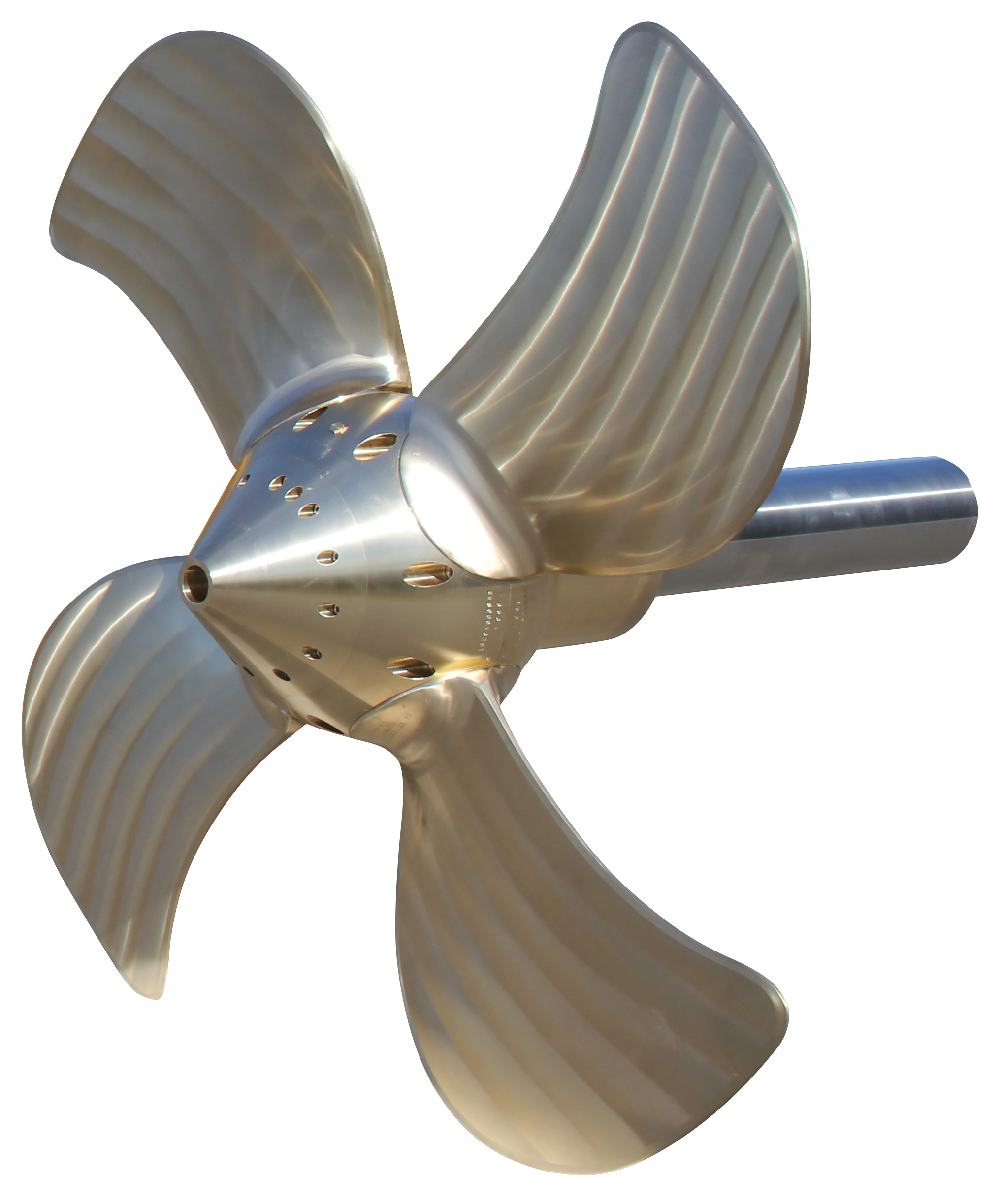
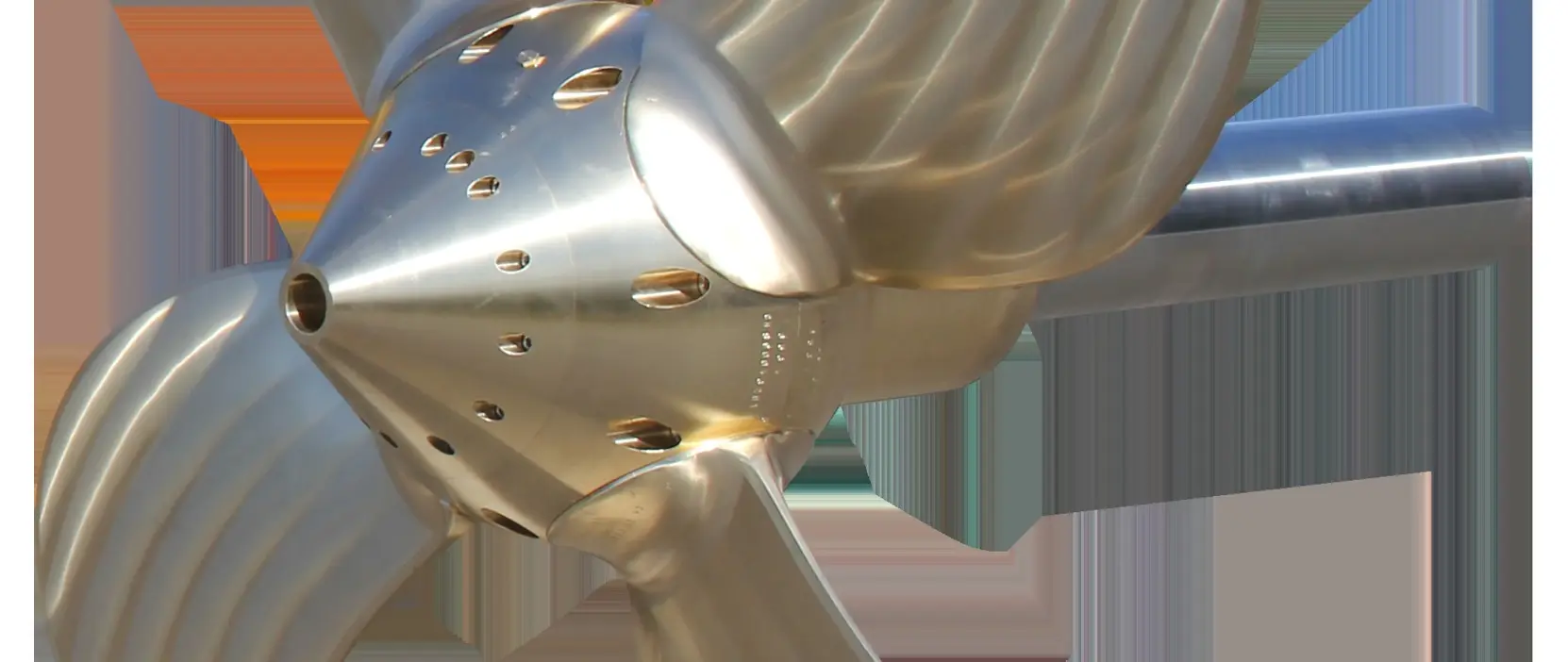
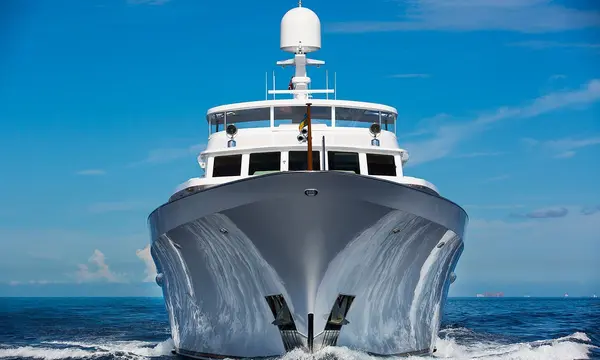
Hundested controllable-pitch propeller system — existing design, not the new five-blade unit; official manufacturer image
Hundested announces its first five-blade controllable-pitch propeller, developed to balance ice-impact strength, low underwater noise and energy regeneration.
Danish propulsion specialist Hundested Propeller has announced the manufacture of its first five-blade controllable-pitch propeller. The company describes a design that seeks to reconcile low underwater noise, resistance to ice impacts and the ability to obtain electrical energy from water flow when a vessel is under sail. The announcement was published through the BSI Marine Equipment Group exhibitor news channel on 11 November 2026, shortly before METSTRADE in Amsterdam.
Hundested says the initial propellers incorporate stainless-steel hubs and were manufactured to Ice Class and Silent-R requirements. The company has not identified the vessel receiving them, the classification society, the exact vessel notation or independently measured performance. Consequently, this is an advance in the manufacturer's design and manufacturing capabilities, rather than evidence of an improvement already demonstrated by a particular completed superyacht. The distinction is particularly relevant to owners considering whether a similar propulsion system might be suitable for their own new-build or refit project.
A propeller must generate the required thrust within the diameter, shaft-speed and power constraints of its installation. Blade count is one of the variables that a designer can adjust to achieve a satisfactory distribution of loading. Hundested explains that adding a fifth blade creates additional scope for reducing the loading at each blade's leading and trailing edges without relying on individual blades that are excessively large. This is pertinent to projects with competing strength and hydrodynamic requirements.
Increasing the number of blades does not automatically improve the performance of a propeller. The interaction between each blade and the water disturbed by the preceding blade, the area of wetted surfaces, the relationship between rotational speed and blade-passing frequency, and the hull's wake all influence the result. An engineer assessing a proposal should examine the complete geometry and duty profile rather than treat blade count as a proxy for efficiency. The company's announcement describes the manufacturing achievement, not a comparative numerical test against every alternative arrangement.
A controllable-pitch propeller differs from its fixed-pitch counterpart because its blades can change angle as part of the operating control of the propeller. This provides a further means of regulating thrust in conjunction with shaft speed and the operating characteristics of the connected machinery. On yachts undertaking long passages, manoeuvring in restricted waters and sailing with varying degrees of machinery assistance, the optimum requirements for those operating states can differ substantially.
The arrangement has implications for maintenance and integration. In addition to the blades themselves, the yacht has to accommodate a hub, power or mechanical transmission arrangements for pitch adjustment, controls and associated monitoring. The complete installation must have appropriate procedures for dealing with machinery or control failure. A purchaser should establish who is responsible for integrating the propeller with the selected engine, shafting, gearbox and vessel systems. Hundested's release does not set out the complete architecture of the particular installation for which the new units have been made.
Hull design and propulsion can substantially influence the sound transmitted into surrounding water. One possible source is cavitation, in which locally reduced pressure allows vapour cavities to form and subsequently collapse. Changes in blade geometry and loading can influence where cavitation develops and the resulting pattern of pressure fluctuations. Mechanical noise from bearings, machinery and structural vibration may also be transmitted through the hull into the environment.
A yacht's interior acoustic comfort and its radiated underwater noise are related but distinct engineering concerns. Insulation and machinery isolation can improve guest accommodation without producing an equivalent change in all underwater noise measurements. Owners commissioning a quieter vessel should request the appropriate performance definitions and measurement conditions, including vessel speed and relevant operating modes. Hundested's reference to Silent-R establishes the stated design objective of the propellers, but does not provide the numerical results required to compare the complete vessel against another installation.
Contact with ice can place severe transient loads on a propeller, affecting not just the blades but potentially the hub and connected propulsion train. A design intended for such service may therefore require different structural characteristics from a propeller optimised for operation in open waters. Increasing the strength of a blade without regard to its shape can introduce hydrodynamic disadvantages. The manufacturer describes its new configuration as an attempt to accommodate strength and slender blade geometry within the same design.
A component described as built to ice-class requirements should not be interpreted as granting unrestricted permission for a yacht to navigate in ice. The suitability of the vessel for a particular operating area depends on the relevant class rules, applicable regulations, hull and machinery design, emergency arrangements and operational capabilities. Those matters extend well beyond the propeller. The type and severity of ice anticipated should form part of the engineering brief so that the owner can assess the limitations of the completed yacht rather than assume a component certification resolves every operational risk.
The manufacturer also highlights the development's regeneration requirements. In an appropriately configured sailing vessel, water flowing past the propeller can rotate the shaft and drive a generator. The electricity obtained may be used to support onboard services or charge a compatible energy storage system. The amount available depends on sailing speed, propeller characteristics, the generator and transmission arrangements, and the operating decisions made by the yacht's control system.
The process extracts energy from the motion of the yacht through water, creating a corresponding hydrodynamic cost. It cannot be understood simply as an additional source of electrical energy without consequences for sailing performance. Different sailing and environmental conditions may produce very different results. An owner evaluating regeneration should seek performance curves that address both electrical output and the associated resistance. Hundested has not published a regeneration power curve or a quantified electrical benefit for the new five-blade propeller in the November announcement.
Hundested reports using computational fluid design to evaluate propulsion performance and the effects of modifications required during the design process. Numerical methods can provide valuable information about pressure distribution and flow across several candidate blade configurations. They can also support an engineering team investigating the trade-offs between a shape suitable for operation in ice and one selected principally for quiet and efficient passage through open water.
The reliability of a prediction depends on the assumptions and boundary conditions of the model. Water approaching a propeller installed on a yacht may have been affected by the hull, appendages and local flow disturbances. It is useful to evaluate whether the analysis incorporates those effects and how predictions will be checked through appropriate testing. The designer, shipyard and equipment supplier should establish the extent of model testing, sea-trial measurements or other validation required. No independently verified results from the complete vessel have been supplied with this announcement.
A propulsion replacement on an existing superyacht may involve much more work than changing the outer propeller assembly. Shaft alignment, the available space for actuation equipment, structural penetrations, electrical interfaces and access for maintenance can limit the configurations available to an owner. An installation proposal should be based on the physical yacht and its existing machinery documentation, and should identify the responsibility of each contractor for the interfaces among systems.
The commercial evaluation also needs to account for inspection intervals, replacement components, service expertise and the arrangements for undertaking repairs when the yacht is away from its home port. For an explorer undertaking lengthy voyages, an apparently modest difference in the ease of maintenance can have significant operational consequences. It is too early to estimate a project cost or financial return from this development because the manufacturer has not disclosed pricing or verified savings for an individual installation.
The release identifies stand 12.740 at METSTRADE, from 17 to 19 November 2026, as the location where industry professionals can consult the manufacturer's technical sales team and see an example of its controllable-pitch system within the BSI Marine Equipment display. Press enquiries are directed to Lou Johnson at Box PR, lou@boxpr.co.uk. Hundested has also published the development on its own website at https://hundestedpropeller.com/blog/hundested-propeller-manufacturer-first-5-blade-propeller/.
The significance of the announcement for superyacht owners is the availability of another design approach aimed at addressing several potentially conflicting operating requirements. Its suitability will depend on the individual vessel's propulsion design and intended use. The accompanying official manufacturer image illustrates an existing controllable-pitch propeller system, not the newly manufactured unit. Subsequent information about the actual installation and its verification will be needed before making claims about performance in ice, underwater acoustic emissions or electricity recovery on a completed yacht.
Primary source: Hundested / BSI Marine Equipment announcement, 11 November 2026.
Hundested controllable-pitch propeller system — existing design, not the new five-blade unit; official manufacturer image. Official source.
Explore
Go deeper into the yachts, companies, events and destinations directly connected to this article.
Continue reading
BSI Rigging will unveil a standard range of single and double acting hydraulic sail-control cylinders at METSTRADE, expanding support for custom sailing yachts.

Wescom Group will preview its SHIELD MAX emergency beacon and a survival-craft AIS search and rescue transmitter at METSTRADE, ahead of their 2027 release.
CIPNES Gallura and the Sardinian regional government will discuss a biomethanol research project and the region’s superyacht economy at METSTRADE on 18 November.
Awlgrip HDT features on the METSTRADE 2026 sustainability route, bringing coating repairability and lifecycle assessment into superyacht refit decisions.
Superyacht Guide
Continue into the wider Superyacht Guide.
Business opportunities · Superyacht Guide
Companies serving the superyacht market can discuss clearly identified advertising, sponsorship and business-profile opportunities. Commercial activity remains separate from independent editorial coverage.