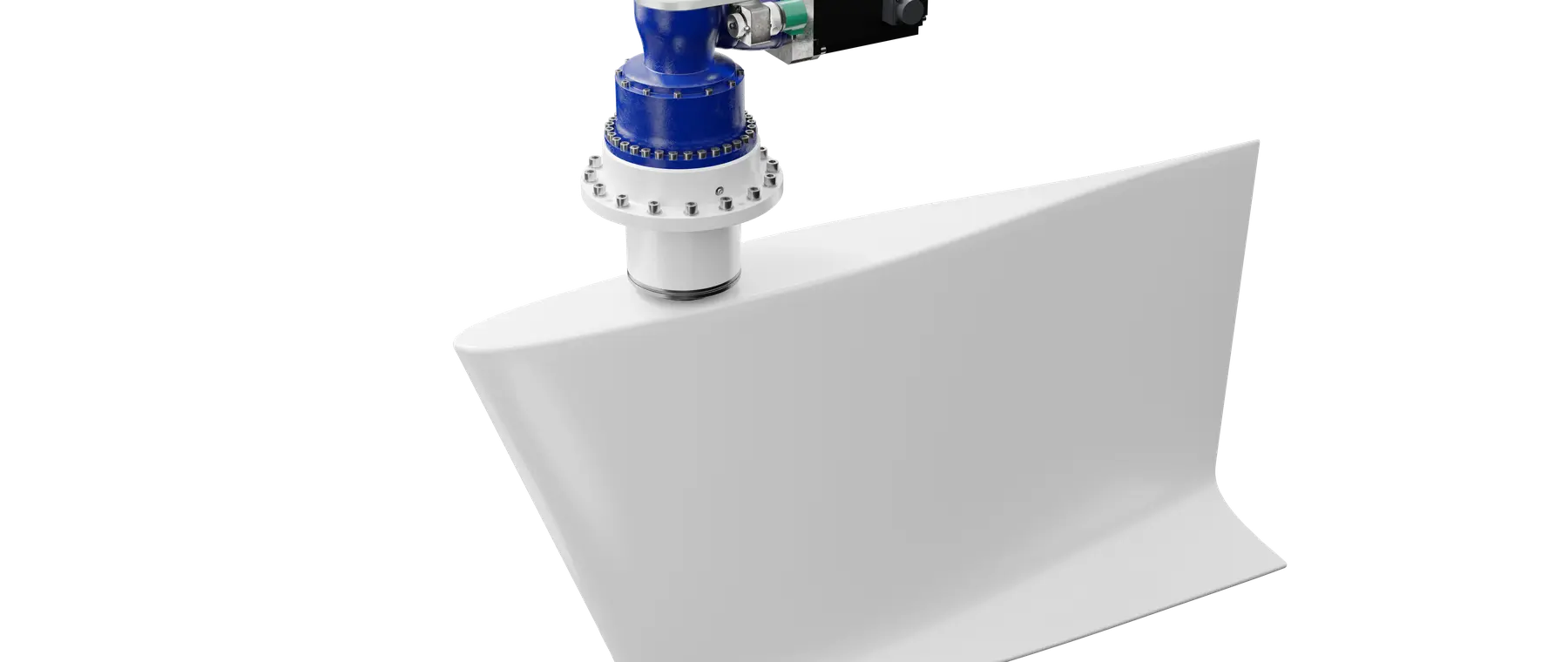
CMC Marine Energy Recovery System Cuts Stabiliser Power Use Up to 50%
By Stephen Yardley · Edited by Stephen Yardley
CMC Marine says its Energy Recovery System can recover energy from electric stabiliser fins and reduce stabiliser power consumption by up to 50%.
CMC Marine has brought regenerative energy recovery into superyacht stabilisation with a system that captures electricity when fin stabilisers are acting as brakes and reuses it when the fins accelerate again. The company says the result can be up to a 50 per cent reduction in stabiliser power consumption while maintaining performance at anchor and underway.
The Energy Recovery System is being highlighted through the 2026 Monaco Yacht Show Blue Wake programme, where CMC Marine's solution is listed under Energy & Propulsion. The technology is relevant because electrically driven stabilisers can create short, high power demands that influence generator sizing and operating strategy even when their average energy use is relatively modest.
When an electric stabiliser fin changes direction, its drive system must slow the moving mass before accelerating it the other way. CMC Marine's approach treats part of that deceleration phase as a regeneration opportunity, recovering electrical energy rather than dissipating all of it as heat.
The recovered energy is then fed back into the stabiliser system during subsequent acceleration. This does not make stabilisation energy-free, but it reduces the size and frequency of power peaks seen by the yacht's generators and electrical distribution system.
Generator selection is influenced not only by average hotel load but also by transient loads from thrusters, pumps, HVAC compressors, deck machinery and stabilisers. If several large consumers demand power together, an otherwise lightly loaded yacht may need another generator online purely to preserve reserve capacity.
CMC Marine says its Energy Recovery System can allow the fins to operate with only one generator in service in conditions where additional generating capacity might otherwise be needed. Fewer running generators can reduce fuel use, engine hours, noise and vibration, particularly during quiet periods at anchor.
The development shows how stabiliser design is becoming integrated with the wider onboard energy system rather than treated as an isolated motion-control package. Regenerative drives already play a major role in land transport and industrial machinery, and the same principle is increasingly practical aboard yachts as variable-speed electrical systems become more common.
Actual savings will depend on fin size, sea state, vessel motion, control strategy and the yacht's electrical architecture. The headline 50 per cent figure should therefore be treated as a system capability rather than a guaranteed whole-vessel fuel saving.
For newbuild teams, regenerative stabilisation may create opportunities to reduce generator loading margins or keep fewer gensets online during guest operation. For refits, the value may lie in lowering peak electrical demand without changing the yacht's entire generating plant.
CMC Marine's 2026 presentation is significant because it applies energy recovery to equipment that owners primarily buy for comfort. If the same hardware can reduce electrical peaks while maintaining zero-speed stabilisation, it links guest experience directly with energy-efficiency improvements.
Explore
Go deeper into the yachts, companies, events and destinations directly connected to this article.
Continue reading
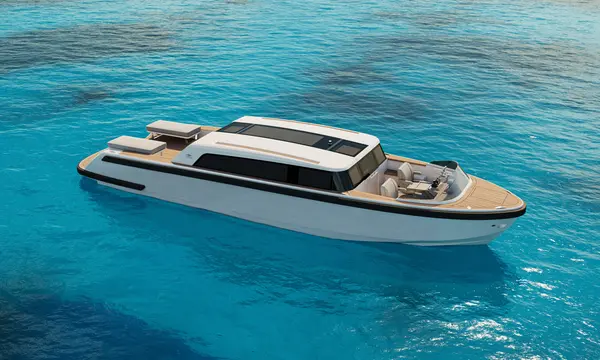
Castoldi’s new 10.5m JT34 Limo combines twin waterjet propulsion, an enclosed air-conditioned cabin and seating for 12 guests plus two crew.
Raymarine Commercial will bring Pathfinder radar and ECDIS to Monaco 2026, alongside FLIR thermal imaging for professional yacht bridge systems.

Videoworks and COTON/INVISI will demonstrate immersive audio at Monaco 2026, showing how adaptive sound could become part of luxury yacht interior design.

VBH will showcase an AI-enhanced immersive yacht environment at Monaco 2026, integrating AV, IT, lighting, control, security and sensory systems.
Superyacht Guide
Continue into the wider Superyacht Guide.