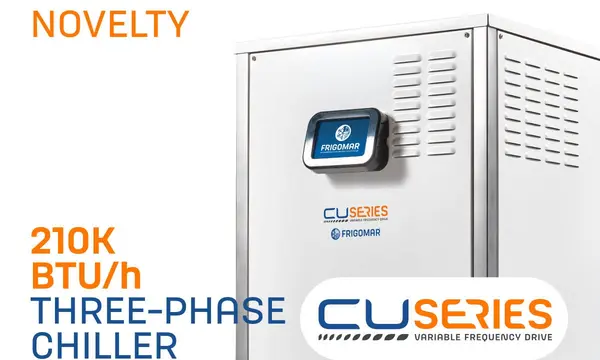
Frigomar Introduces 210,000 BTU CU210 Yacht Chiller
Frigomar has introduced its CU210VFDT chiller with 210,000 BTU/h capacity, a titanium seawater exchanger and the same compact dimensions as its 180,000 BTU unit.
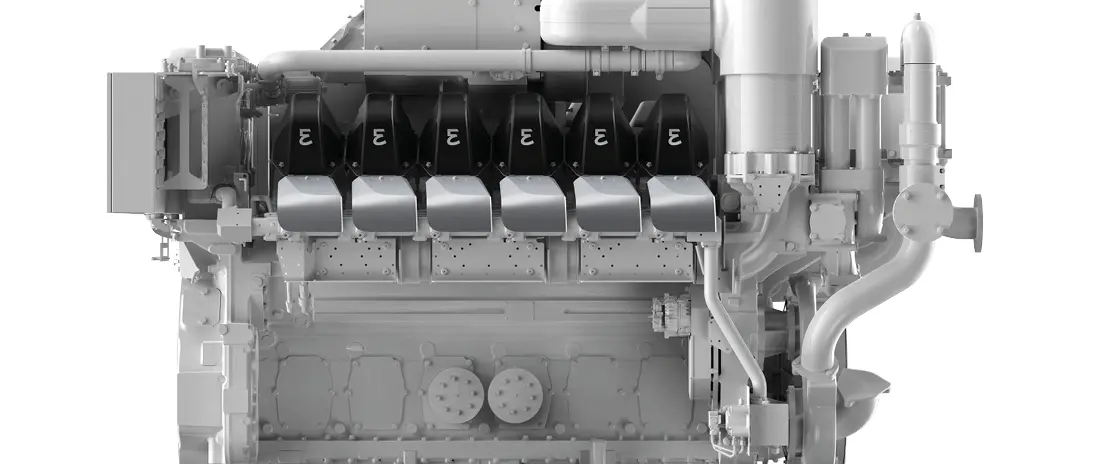
Everllence has started full-scale testing of its 175DF-M dual-fuel methanol engine in Frederikshavn, Denmark. The company says 12V and 16V175DF-M variable-speed gensets are scheduled for mid-2027 delivery to two undisclosed superyacht customers.
Everllence has begun full-scale testing of its 175DF-M dual-fuel methanol engine at the company’s Test and Research Center in Frederikshavn, Denmark, moving the high-speed platform closer to commercial service. In its 1 September announcement, Everllence said the 12-cylinder test engine has now been operated in both diesel and methanol modes as development work continues on the variable-speed version.
The immediate superyacht relevance comes from the first commercial orders already secured for the engine family. Everllence says 12V and 16V175DF-M variable-speed gensets are scheduled for delivery in mid-2027 to two different superyacht customers, although the company has not identified either customer, yacht, shipyard or project.
The current programme is intended to validate the 175DF-M at full scale across its dual-fuel operating modes. Everllence says the engine has run successfully on diesel and methanol, with the Frederikshavn test campaign providing the environment for further calibration, performance work and development before the first commercial units are delivered.
For the variable-speed configuration, Everllence says the engine is designed to achieve a methanol share of more than 95 per cent over a wide load range. The company uses a low-pressure port-fuel-injection system for methanol, an approach intended to combine dual-fuel flexibility with the response required from a high-speed engine platform.
The most concrete commercial detail in the release is the connection to two superyacht customers. Everllence states that 12V and 16V175DF-M variable-speed gensets are scheduled for delivery in mid-2027, making the superyacht sector an early application for the new methanol-capable engine family.
Everllence does not disclose how many gensets each customer has ordered, which variant is assigned to which project, or whether the installations are intended for new-build or refit programmes. Those details therefore remain open, and there is no basis at this stage to identify the yachts or shipyards behind the orders.
On a superyacht, variable-speed gensets generate electrical power for hotel loads and onboard systems while adjusting engine speed to demand rather than operating continuously at one fixed speed. A methanol-capable version gives designers and owners another fuel pathway for auxiliary power systems, particularly as shipyards examine how future yachts can accommodate lower-carbon fuels alongside conventional diesel operation.
The emissions outcome depends on the methanol itself. Methanol produced from fossil feedstocks does not provide the same lifecycle benefits as renewable or low-carbon methanol, so the engine’s ability to burn the fuel should not be treated as an automatic carbon-neutral solution. The significance of dual-fuel capability is instead the operational option it creates as fuel availability, bunkering infrastructure and production pathways develop.
Everllence describes the 175DF-M as a strategic part of its lower-carbon engine portfolio, and the superyacht orders give the programme a defined commercial timetable beyond the current test phase. The next major milestone will be the progression from full-scale development work in Frederikshavn to delivery of the ordered 12V and 16V variable-speed gensets in mid-2027.
For the superyacht market, the programme is notable because it moves methanol from a conceptual fuel discussion into confirmed machinery orders for undisclosed yacht customers. The projects themselves remain confidential, but the delivery schedule provides a clear indication that methanol-capable auxiliary power is now entering the specification process for future large-yacht installations.
Continue reading
Frigomar has introduced its CU210VFDT chiller with 210,000 BTU/h capacity, a titanium seawater exchanger and the same compact dimensions as its 180,000 BTU unit.
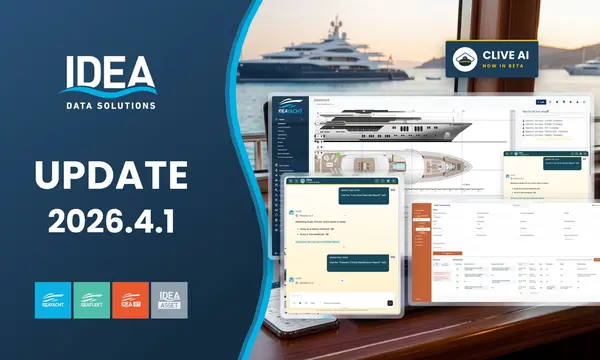
IDEA Data Solutions details release 2026.4.1 for yacht operations, including limited CLIVE AI testing and improvements to purchasing, maintenance and fleet views.

Videoworks explains AVIT Panel, an overlay system that connects existing onboard digital equipment to configurable views for captains and technical teams.
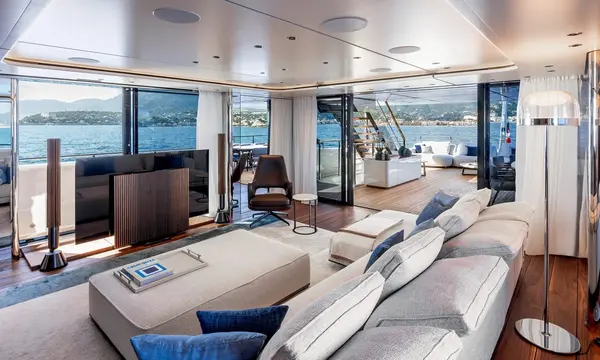
Videoworks explains its bespoke Bang & Olufsen systems on two Custom Line superyachts, naming the hardware used and the integration work carried out.
Superyacht Guide
Continue into the wider Superyacht Guide.
Business opportunities · Superyacht Guide
Companies serving the superyacht market can discuss clearly identified advertising, sponsorship and business-profile opportunities. Commercial activity remains separate from independent editorial coverage.