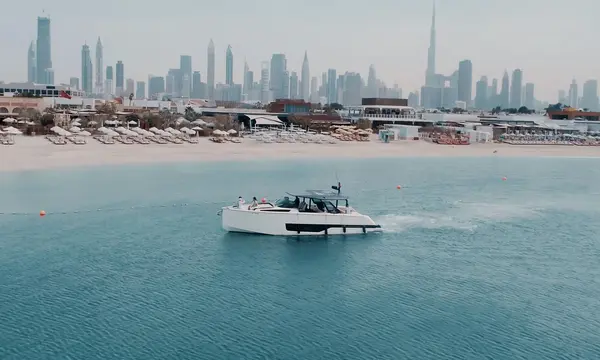
D-Marin Details Dubai J1 Beach Anchorage and Tender Service
D-Marin's October guidance explains how visiting yachts use a permitted offshore anchorage and dedicated tender service to reach Dubai's J1 Beach restaurants.
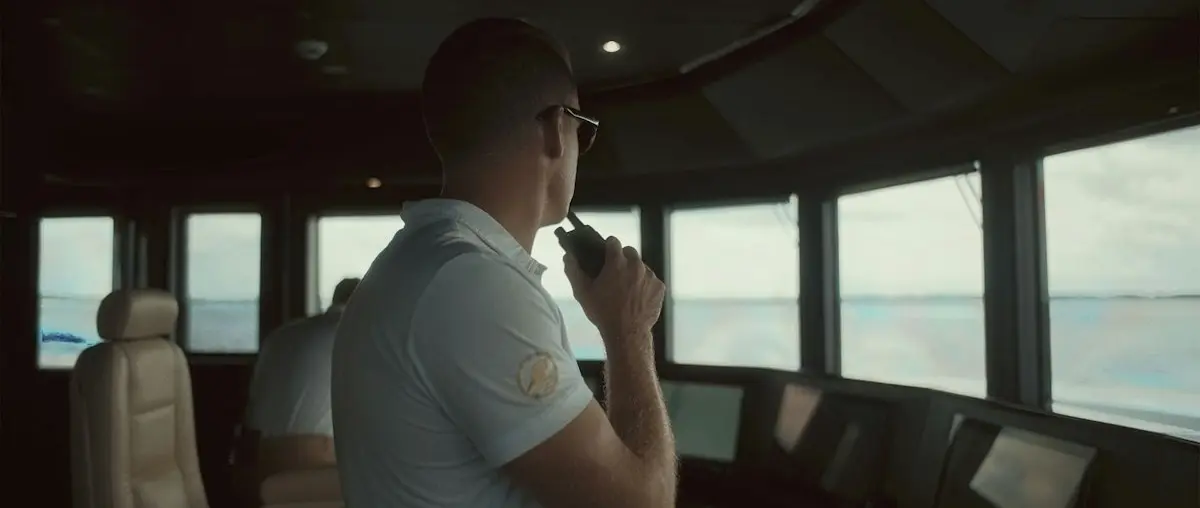
A Fairport Global advisory published by Northrop & Johnson outlines US first-arrival checks for yacht captains ahead of the Caribbean winter migration.
Fairport Global has set out key preparation points for captains bringing superyachts into US waters for the first time, in a compliance briefing published by Northrop & Johnson on 19 October 2026. Its guidance comes as yachts prepare to leave the Mediterranean for Atlantic crossings and the winter Caribbean season. It emphasises that a vessel ready to sail mechanically may still face administrative obstacles if approvals and third-party arrangements have not been put in place.
The update is a professional advisory rather than a change to US law or a notice of new regulatory penalties. Requirements differ according to factors such as the yacht's tonnage, flag, crew nationalities, intended ports and type of operation. Captains should therefore use the briefing as an early planning prompt and confirm the current rules with US authorities, qualified agents and the vessel's management and legal advisers.
Fairport highlights visas as one of the first matters to check. Foreign crew may need an appropriate US visa, commonly within categories such as B-1 or B-2 depending on the facts of their voyage and employment. Obtaining the required documentation can entail consular appointments and interviews, and processing times may not align with a yacht's revised sailing plan. A last-minute crew change can therefore create difficulty even if the captain has an otherwise complete port itinerary.
Captains should not assume that a visa appropriate for one employee or previous visit is suitable for every crew member or assignment. Passport validity, entry purpose, employment status and previous immigration history can all affect advice. The source recommends starting the review in advance rather than waiting until a confirmed departure date. Immigration conditions are specific to the individual and should be checked through official channels.
According to the briefing, vessels of 300 gross tons or more may need a US Coast Guard Certificate of Financial Responsibility, commonly shortened to COFR. Where it applies, the certificate concerns evidence of financial arrangements covering specified pollution liabilities. Securing it can require coordination with the yacht's insurers or protection-and-indemnity advisers and the relevant US administrative body, so it is not simply a form that can always be completed during an ocean passage.
The word may is important because a threshold alone does not settle whether the requirement applies to a particular voyage. Gross tonnage is a measure of enclosed volume rather than the yacht's mass. Managers should confirm the vessel's documented tonnage, ownership structure, route and operating status and seek direct clarification where necessary. A broker's general summary cannot replace the Coast Guard's current official guidance.
Fairport also draws attention to Nontank Vessel Response Plan requirements, which can apply to certain vessels of 400 gross tons and above. An approved plan is more than a binder on the bridge. The associated arrangements may include a designated US-based Qualified Individual with authority to activate a response, an appropriately classified oil-spill removal organisation and salvage or marine-firefighting support providers relevant to the yacht's operating area.
These service relationships require enough information for outside responders to understand a vessel and reach it when needed. A captain arranging the paperwork should confirm that any nominated provider's geographic area aligns with the intended ports and cruising grounds. Plans also need to fit the yacht's actual equipment and operations. Thresholds and obligations should be checked individually before the operator signs contracts or assumes an exemption.
The advisory reminds operators that some vessels must submit advance arrival information through the US Coast Guard's electronic Notice of Arrival and Departure system, known as eNOAD. For voyages covered by the standard provisions, the briefing identifies a 96-hour advance notice period, with different timing permitted in certain circumstances. Separate requirements may exist under US Customs and Border Protection rules, so one submission should not be assumed to complete every entry obligation.
Where a yacht has an uncertain arrival date because of weather, port conditions or a changing owner itinerary, the crew should understand when revised information must be submitted. The appropriate process depends on the voyage and vessel category. Making a provisional plan is useful, but the captain or appointed agent remains responsible for confirming how the requirements apply to the specific arrival.
A compliance review is easier to manage when technical, crewing and itinerary information are brought together. The captain can establish the intended entry port and timetable, assemble certificates and crew documents, and ask the responsible managers which US-specific approvals may apply. Tasks that rely on a third party, such as a consulate, insurance provider or response contractor, should be identified separately from documents that crew can prepare on board.
That distinction matters because a yacht can carry comprehensive safety equipment and still lack an external arrangement required for entry. It is sensible to confirm responsibilities between the owner, management company, captain and local agent, including who monitors official responses. The source does not suggest that any single published checklist replaces the actual entry conditions for different yachts.
Many superyachts return from the Mediterranean towards the Caribbean and the eastern United States as the European summer concludes. Some will also visit major maritime events or attend maintenance and charter commitments in Florida. Passage planning already involves weather windows, provisions, crew rotation, fuel and equipment checks. Fairport's reminder places immigration and environmental compliance alongside those more familiar operational preparations.
The timing can be challenging when guest plans change after a yacht has started preparing for a crossing. An unanticipated stop, crew replacement or different destination may alter which approvals are necessary. Captains should avoid interpreting a charter itinerary or marina confirmation as proof that all governmental obligations are satisfied. The specific authorities involved depend on where and how the yacht plans to operate.
The practical message from the Northrop & Johnson briefing is that first-time US entry deserves early, documented planning. Captains can work with management and agents to identify visa needs, financial-responsibility documentation, any applicable response plans and arrival reporting well before a vessel leaves Europe. Maintaining an accurate record of who has applied for what, and which approvals are outstanding, can reduce surprises at the end of a transatlantic passage.
No enforcement action, new law or yacht detention is reported in the 19 October advisory. It is a preventive operations story relevant to the 24-metre-plus fleet as winter cruising approaches. Because the underlying rules can be revised and exemptions may apply, captains and owners should check official US Coast Guard, Customs and immigration guidance alongside suitably qualified professional advice rather than relying on any general article as a legal determination.
Continue reading
D-Marin's October guidance explains how visiting yachts use a permitted offshore anchorage and dedicated tender service to reach Dubai's J1 Beach restaurants.

Marina Bahía Golfito highlights prospective customs, port services, road access and research facilities in Costa Rica before FLIBS 2026.
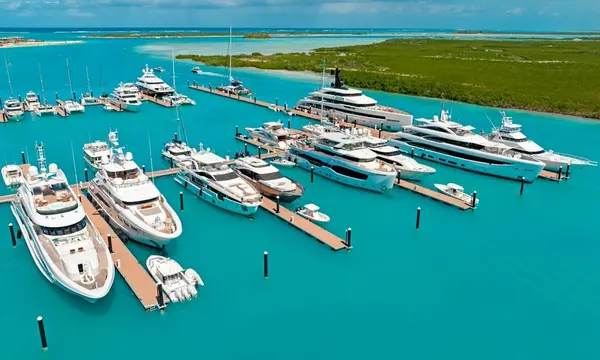
IGY explains how its Trident programme supports eligible superyacht captains seeking short-notice berths during busy events and sudden itinerary changes.
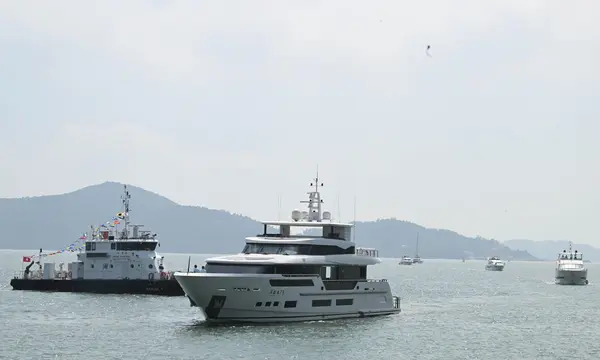
Five Guangdong yachts made the inaugural southbound visit to Hong Kong on 16 October, launching two-way cross-border arrangements and new marina ambitions.
Superyacht Guide
Continue into the wider Superyacht Guide.
Business opportunities · Superyacht Guide
Companies serving the superyacht market can discuss clearly identified advertising, sponsorship and business-profile opportunities. Commercial activity remains separate from independent editorial coverage.