
Marine Results Gains Unrestricted RINA Approval for Superyacht Rigging Surveys
Marine Results International has become a RINA Approved Service Supplier for mast and rigging surveys with no restriction on yacht size or rig type, …
The 2026 Fort Lauderdale International Boat Show concluded on 1 November after five days of yacht displays, brokerage activity and product introductions across the city's waterfront venues. A post-show analysis published on 2 November by YachtBuyer MarketWatch counted 211 superyachts, 119 debuts and 174 yachts advertised for sale with a combined asking value of approximately $1.7 billion. Those are figures from an independent commercial yacht-data service, not an audited statement of completed transactions or official financial results from the event organiser. The distinction is essential when interpreting the size and direction of the market.
The 2026 Fort Lauderdale International Boat Show concluded on 1 November after five days of yacht displays, brokerage activity and product introductions across the city's waterfront venues. A post-show analysis published on 2 November by YachtBuyer MarketWatch counted 211 superyachts, 119 debuts and 174 yachts advertised for sale with a combined asking value of approximately $1.7 billion. Those are figures from an independent commercial yacht-data service, not an audited statement of completed transactions or official financial results from the event organiser. The distinction is essential when interpreting the size and direction of the market.
For Superyacht Guide's larger-yacht audience, the most interesting point is the composition of the fleet rather than the headline value alone. YachtBuyer's comparison with 2025 indicates more boats and more debuts, but a lower average length and asking price. That combination suggests that the event remained a major marketplace even as the yachts represented at the show changed. A count of listed vessels is only a snapshot; its usefulness depends on consistent definitions, reliable identification of the vessels and a clear separation between physical attendance, brokerage availability and final sales.
YachtBuyer reported that 211 superyachts attended the completed 2026 show, compared with 170 in 2025, an increase of roughly 24 per cent under its methodology. An earlier opening-day analysis had counted 216 yachts. These numbers should not be treated as a contradiction that can be silently corrected by choosing whichever figure appears larger. Show fleets change as boats arrive or depart, and published inventories may be revised when identities or classifications are checked. The closing figure is the one the company's final report uses.
The event itself took place from 28 October to 1 November, with displays spread across multiple Fort Lauderdale locations rather than a single line of berths. A yacht may have been on display, advertised through a broker, represented in a model introduction or discussed by its builder, and those are not all the same measure of attendance. Superyacht Guide is therefore attributing the 211 count explicitly to YachtBuyer MarketWatch, not presenting it as an independently audited total for every vessel in Florida during the show week.
The report identifies 119 debuts against 86 in the previous year's comparison, an increase of approximately 38 per cent. That is a strong indication that builders and their representatives used the American event to present a broader collection of products and models. But a debut may refer to a world premiere, a regional presentation or the first public showing of a design, and it does not necessarily indicate that an individual yacht has just been launched or handed to an owner. Editors and buyers need to read the description attached to each debut.
Newly introduced projects are useful because they reveal how builders see demand for layout, propulsion, outdoor space and owner experience. They are less useful as evidence of order-book growth unless an actual construction contract is disclosed. The Fort Lauderdale programme included designs being promoted to prospective buyers alongside operational yachts available to inspect. A post-show statistic can show that introductions increased without establishing how many contracts were signed, the value of completed business or the delivery date for any specific future hull.
YachtBuyer MarketWatch recorded 174 attending yachts advertised for sale, against 149 in 2025, an increase of about 17 per cent. It calculated a combined asking value near $1.7 billion, compared with roughly $1.8 billion the year before. These are asking-price aggregates from public brokerage listings associated with the tracked fleet. They are not a balance sheet for the show and cannot be added to the event's wider economic impact as though the boats had all been sold to new owners during five days.
Asking prices are subject to negotiation, changes in specification, currency conversions and brokerage updates, and some vessels may be withdrawn from sale or moved between brokers without a completed transaction. A catalogue can contain attractive opportunities at several sizes while producing a lower combined value than the prior year if the mix shifts away from especially large or expensive yachts. The value of a yacht at a show is also not necessarily the value of new construction orders placed there. These distinctions help keep commercial reporting useful to serious buyers and industry suppliers.
The post-show figures put average yacht length at about 32.93 metres, down from 35.43 metres in 2025, even though the combined length of the tracked fleet rose to approximately 6.95 kilometres. The calculation is informative because an increase in fleet count can coexist with a modest reduction in the average size of the individual yacht. For a marina, that may mean different pressure on berth length and manoeuvring space than a simple count of superyachts suggests. For equipment suppliers, different size segments have different technical and commercial requirements.
The average length is not enough to reconstruct a complete size distribution. It does not reveal precisely how many yachts exceeded 50, 70 or 90 metres, nor does it establish the median length without the underlying vessel list. A show with more comparatively compact superyachts may be commercially active while still leaving opportunities and constraints in the largest-yacht sector unchanged. Superyacht Guide would need the individual fleet records to make a robust segment-by-segment claim, so this analysis treats the reported averages as descriptive, not as proof of a structural market transformation.
YachtBuyer's analysis gives an average age of approximately 9.58 years for its tracked 2026 fleet, compared with 11.34 years in the previous year. That may reflect additional new builds, a different balance between brokerage and recently completed vessels, or changes in which vessels attended. It does not by itself establish that the worldwide superyacht fleet has become younger. An exhibition is a selected sample of yachts that owners, builders and brokers chose to present at one location over a short period.
Age matters for different reasons depending on the buyer. Newer yachts may offer recent equipment and contemporary layouts, while carefully maintained or refitted older yachts can remain valuable alternatives with a distinct design character. A numerical mean cannot replace a survey of hull condition, machinery history and refit documentation. Buyers should therefore use show statistics to identify what was available for inspection and then examine each vessel on its merits. A younger average at Fort Lauderdale is not a universal verdict on the condition of the global fleet.
Fort Lauderdale is both a regional business event and a meeting place for international shipyards, service companies, brokers and marine technology suppliers. Displaying yachts in Florida exposes builders to a large professional and private audience, while the concentration of brokers gives buyers an opportunity to compare individual offerings. The value extends beyond recorded sales because a technical supplier may meet future clients, a crew manager may form new relationships and a yacht owner may begin discussions on a refit scheduled months later. None of those outcomes is captured by asking-price totals.
The show also connects several markets that behave differently. Large newbuild projects involve long commitments and highly bespoke decisions, while brokerage transactions can move on a different timetable. Equipment sales, maintenance work, insurance and marina services form separate parts of the commercial picture. Combining them into one giant estimate risks exaggerating what the available evidence actually records. The most defensible way to use the MarketWatch results is as a measured inventory of selected yachts, with the organiser's official event information supplying the venue and timing context.
The post-show figures provide a valuable baseline for 2027 if the same counting rules are applied consistently. A stronger comparison would identify the unique vessels in each year's sample, account for yachts that attended more than one venue or were listed with multiple brokers, and distinguish world debuts from regional introductions. It would also separate newbuilds, refits and pre-owned yachts and show the number of vessels in each length segment. That would allow the industry to judge growth among true large superyachts without confusing them with the wider leisure-boat population.
For now, the supportable conclusion is narrower and more useful: YachtBuyer MarketWatch reports an increase in the tracked Fort Lauderdale superyacht fleet and debut count in 2026, while the average yacht length and combined asking value of sale listings decreased. There is no evidence in those figures alone of a corresponding increase or decrease in completed sales revenue. For Superyacht Guide readers, the numbers offer an informed starting point for understanding the autumn marketplace, provided the difference between yachts on display, prices requested and business actually completed remains clear.
News source: original announcement; corroborating source: additional first-party or industry material. Report dated 9 November 2026. Announcements and operating plans may change; editorial interpretations are distinguished from confirmed facts.
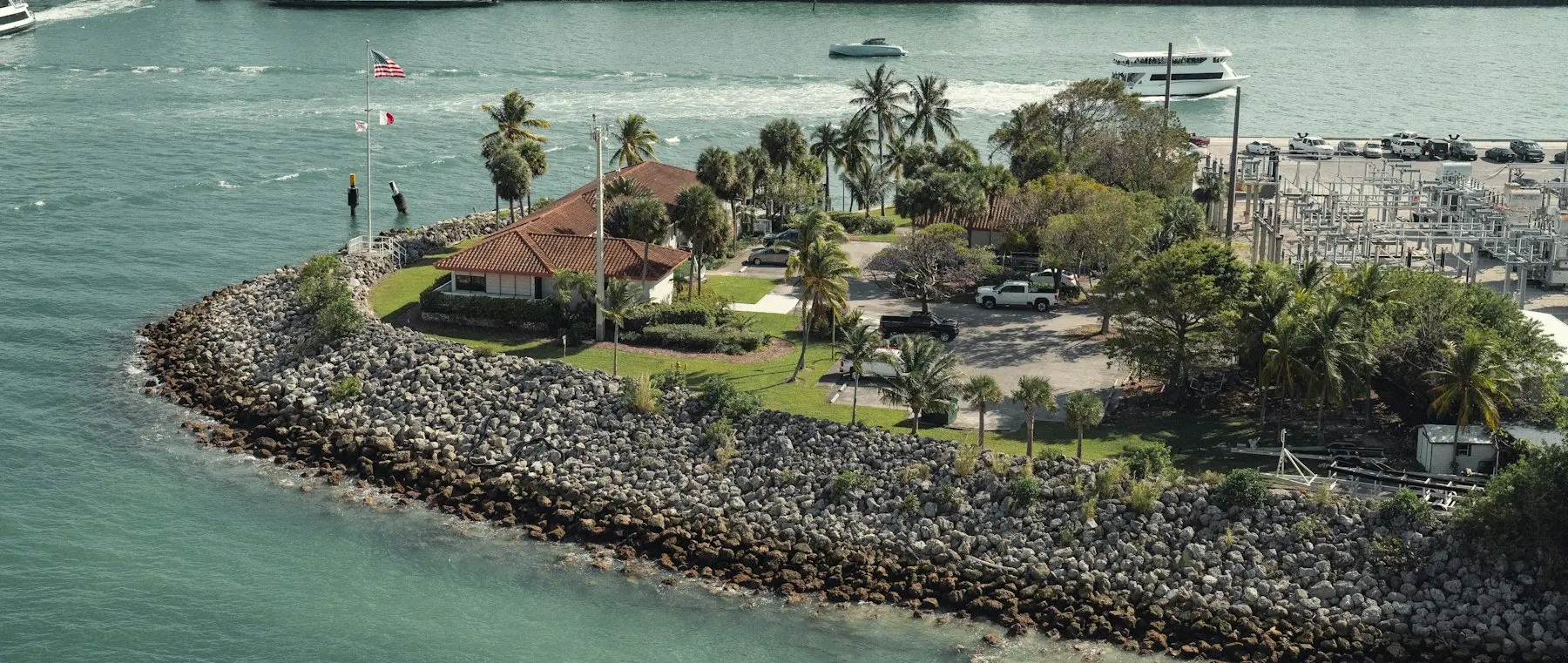
Editorial photograph: photographer and original image — Dennis Zhang / Unsplash License; June 2024 Miami marina aerial photograph; illustrative regional waterfront, not FLIBS 2026. Cropped and resized under the Unsplash License. Illustrative photograph only; it does not show the 2026 event or named product.
Continue reading
Marine Results International has become a RINA Approved Service Supplier for mast and rigging surveys with no restriction on yacht size or rig type, …

How owner deposits and stage payments help fund superyacht construction, why the model carries risk and what real shipyard cases teach buyers.

Oceanco has reported that the 72-metre expedition support yacht Indratus has begun sea trials following an extensive refit at its Zwijndrecht facilities in the …

Blue Oceans Yachting has confirmed the sale of the 47.4-metre Bilgin MOONRAKER, with Ami Griffith Ira representing the buyer and IKONIC Yachts representing the …
Superyacht Guide
Continue into the wider Superyacht Guide.
Business opportunities · Superyacht Guide
Companies serving the superyacht market can discuss clearly identified advertising, sponsorship and business-profile opportunities. Commercial activity remains separate from independent editorial coverage.