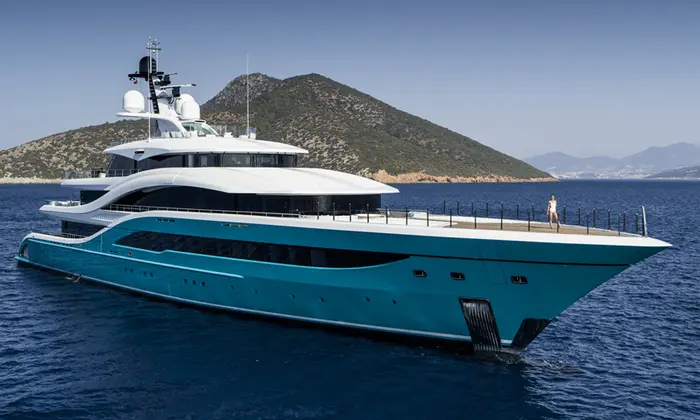
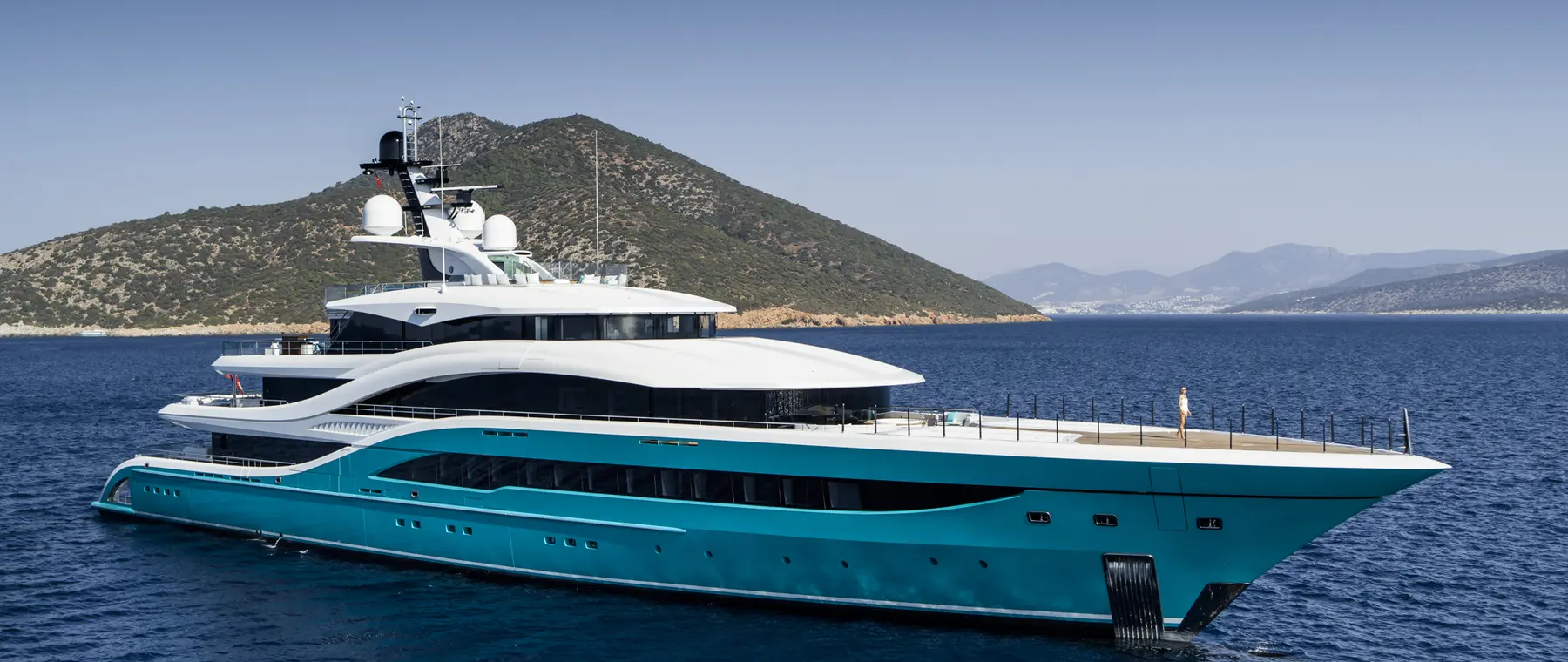
MarQuip has detailed how cracked exhaust components on the 76.75m superyacht GO allowed gases into the engine room before replacement work in Mallorca.
Cracks in the main-engine exhaust systems of the 76.75-metre superyacht GO developed into a direct engine-room safety concern after exhaust gas began leaking into the machinery space. MarQuip has now detailed the problem and the replacement work carried out during a yard period at Port Adriano in Mallorca.
The case is useful because it shows how a component that is normally out of sight can affect both safety and operational confidence. Exhaust systems operate under repeated thermal cycles, vibration and mechanical movement, so damage can become significant even when the main engines themselves remain in serviceable condition.
GO was launched in 2018 and has a reported range of 5,500 nautical miles. MarQuip says cracks were identified after about seven years of service in exhaust systems connected to the yacht's Caterpillar 3516C main engines.
According to the yacht's chief engineer, the damaged sections were allowing exhaust gas to enter the engine room. That changed the issue from a maintenance defect into a safety problem because machinery spaces depend on controlled ventilation and on keeping combustion gases within the intended exhaust path.
Marine exhaust systems have to manage hot gas while accommodating engine movement, vibration and expansion as temperatures change. Flexible elements, supports, insulation, silencers and joints all have to work together, and a failure in one area can transfer stress to another part of the installation.
Gas leakage can create several risks, including heat damage, poor air quality and the possibility of fumes reaching spaces where crew are working. It can also force additional monitoring or operating restrictions until the defect is repaired, which makes reliability as important as the immediate integrity of the damaged section.
MarQuip designed and installed replacement exhaust systems while GO was in Port Adriano. The yacht's chief engineer says the new installation eliminated the leaks and restored confidence in the engine-room environment, while the replacement equipment has operated without the previous problem since completion.
For a large yacht, replacement work of this kind requires more than fabricating new pipework. Access, insulation, supports, thermal expansion, alignment and connection to existing machinery all need to be controlled within an engine room where space is limited and surrounding systems must remain protected.
The GO case underlines why exhaust inspection should be treated as part of machinery-condition management rather than only as a response to visible failure. High-hour yachts and vessels approaching major refit periods can benefit from checking supports, bellows, joints, insulation and signs of cracking before leakage becomes an operational problem.
It also illustrates the value of crew reporting and specialist intervention. The main engines may attract most attention in a propulsion system, but the reliability and safety of a superyacht depend equally on the auxiliary structures that carry heat, gases, fluids and power through the vessel every day.
Explore
Go deeper into the yachts, companies, events and destinations directly connected to this article.
Continue reading
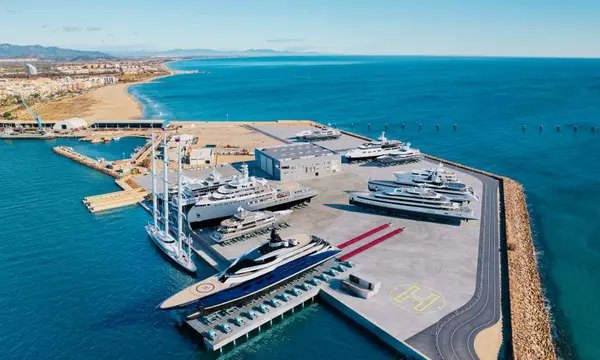
VMG Astilleros de Sagunto says its 5,000-tonne shiplift is now operational, with a 102m by 22m platform capable of handling yachts up to 125m.
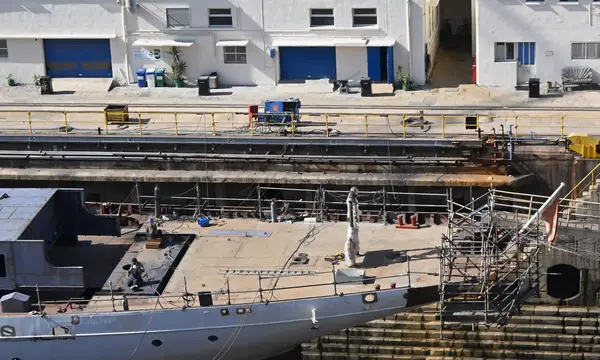
The 109.5m four-masted sailing yacht SEA CLOUD is undergoing a major rebuild at Palumbo Malta, combining restoration of her 1930s character with new machinery, …
How Often Does a Superyacht Need a Refit? Most superyachts need continuous maintenance every season and more substantial yard periods every few years; a …
How Much Does a Superyacht Refit Cost? A superyacht refit can range from hundreds of thousands of euros for focused cosmetic work to tens …
Superyacht Guide
Continue into the wider Superyacht Guide.