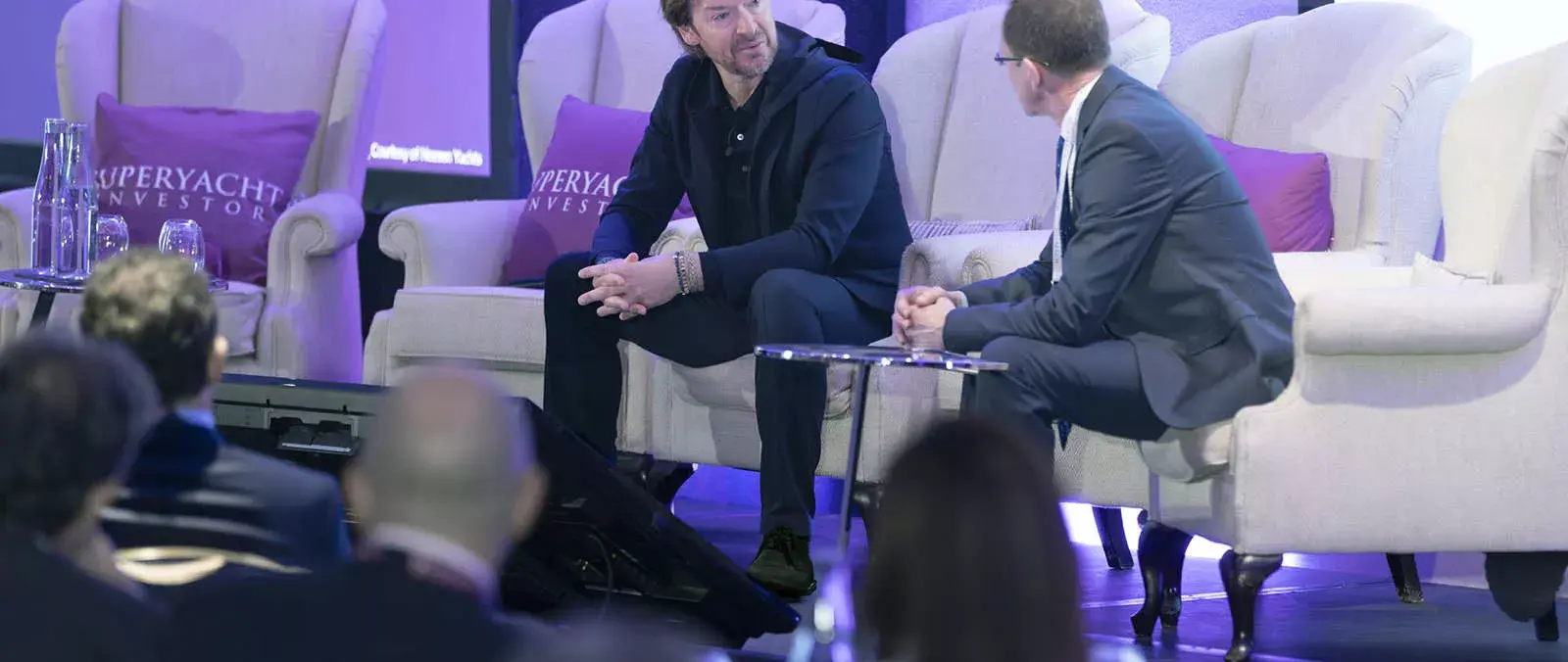
Image: Heesen Yachts official
Heesen owner Laurens Last has outlined a strategy built around data, digital twins, owner-led engineering and stronger growth in the 60–80m segment.
Heesen Yachts has set out a new strategic direction under owner Laurens Last, combining tighter industrial discipline with greater use of operational data and a stronger focus on how owners actually use their yachts. The plan includes real-time telemetry, digital twins and a push further into the 60- to 80-metre market while retaining the Dutch yard’s speculative-build model.
Last is pushing Heesen toward more data-led decision-making both during construction and after delivery. The yard says real-time telemetry and digital twins can give engineering and after-sales teams a clearer picture of how systems perform throughout a yacht’s operational life.
That information can also improve transparency for owners. Instead of relying only on design assumptions and service records, a digital representation of the vessel can help track performance, maintenance requirements and total cost of ownership using data gathered from the yacht itself.
The strategy also changes how Heesen evaluates design decisions. Last wants engineers and designers to spend more time considering everyday operation, from boarding a tender in a swell to airflow on a flybridge, galley storage and the practical movement of guests and crew.
That approach treats the yacht as a functioning home rather than only an engineering object. It also gives the yard a way to identify usability issues earlier in the design process, when changes can still be integrated without compromising the overall architecture.
Heesen says Last’s background in high-volume industrial production has informed a drive for leaner processes and lower operating costs. The shipyard reports that running costs have already been reduced by €17 million as part of the wider restructuring.
At the same time, Heesen intends to retain specialist work such as luxury interiors in-house. The yard views that combination as a competitive advantage: tighter production control can improve efficiency, while internal craftspeople preserve the bespoke finish expected in high-end custom and semi-custom yachts.
Heesen remains committed to speculative construction because it shortens delivery times, but the company also plans to expand its presence in the 60- to 80-metre range. That includes platforms designed for different lifestyles, from residence-style explorers to yachts focused on contemporary entertaining.
For Superyacht Guide readers, the important change is that Heesen is linking growth in yacht size with a parallel shift in how vessels are designed, monitored and supported. The strategy suggests that future competitiveness will depend not only on build quality and delivery speed, but also on measurable operational performance and a deeper understanding of ownership after handover.
Official sources: www.heesenyachts.com.
Explore
Go deeper into the yachts, companies, events and destinations directly connected to this article.
Continue reading
The eighth episode of Heesen’s YachtTalk circles back to the Dutch studio in Oss to discuss the important issue of recruitment and talent retention …
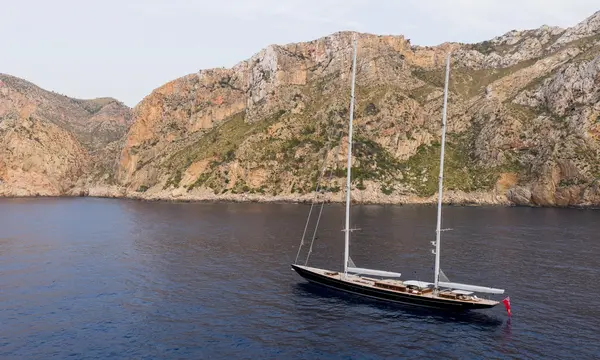
Royal Huisman has published new detail on the 65m AQUARIUS, explaining how returning owners and crew used six years of experience to shape Project …
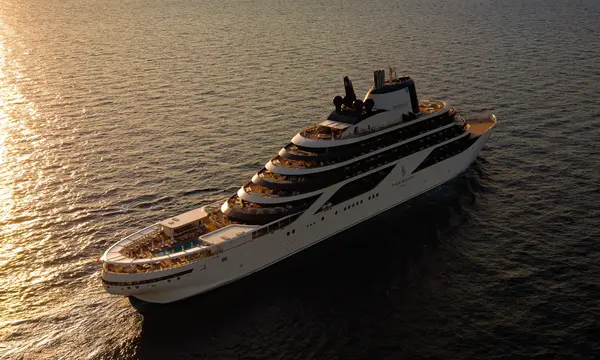
Five chefs from Michelin-starred Four Seasons restaurants will host 2027 Mediterranean and Caribbean voyages aboard Four Seasons I, with menus beyond Sedna.

i-Bos and EWG have formed an alliance linking CelloPlus crew-management and payroll workflows with international and multi-currency payment services.
Superyacht Guide
Continue into the wider Superyacht Guide.
Business opportunities · Superyacht Guide
Companies serving the superyacht market can discuss clearly identified advertising, sponsorship and business-profile opportunities. Commercial activity remains separate from independent editorial coverage.