Hydro Tec Explains How Family Leadership and Explorer Buyers Are Changing Yacht Design | Original cleared SYG 20261125 hydrotec
Hydro Tec founder Sergio Cutolo and daughters Myriam and Nadia explain how studio governance and experience-focused explorer buyers are evolving.
Italian naval architecture and engineering studio Hydro Tec has discussed the evolution of its family business and the changing expectations of explorer-yacht owners in an interview published on 25 November 2026. Press Mare spoke with founder Sergio Cutolo and his daughters Myriam and Nadia in the context of the Monaco Yacht Show. Their remarks describe a company working to balance the founder's technical vision with a more structured organisation and specialist contributions from the next generation. The central industry point is not simply a family succession story. It concerns how the design process is changing as owners seek different experiences from their yachts and as large projects place greater demands on engineering, governance and communication.
The studio was founded in 1995 by Sergio Cutolo and Silvia Himsolt and has developed work across naval architecture, engineering and yacht design. Its own company materials identify large custom and explorer projects among its activities. The 25 November interview reflects on more than thirty years of development and explains why experience alone is not enough for an organisation facing increasingly complex commissions. A custom yacht requires coordination among designers, structural engineers, systems specialists, shipyards, owners and class representatives. The challenge for an established studio is preserving design quality while ensuring that responsibilities and processes remain clear as project size and technical complexity increase.
Myriam Cutolo serves as Executive Vice President, a position confirmed in Hydro Tec's June 2026 corporate announcement and discussed again in the November interview. She describes responsibility for managerial, organisational and governance matters. This is not a newly announced appointment on 25 November; the news is her recent account of how leadership is being developed inside the business. The distinction matters because company roles can evolve over time without a new formal appointment. For yacht clients, organisational clarity is relevant to how a design office manages resources, resolves questions and communicates decisions during a lengthy new-build project. Governance is not merely an internal administrative concern when technical work must be coordinated across several parties.
Nadia Cutolo describes growing up around the business and developing a professional interest in design, interior arrangements and outfitting. Her comments illustrate how the second generation can contribute different competencies rather than simply reproduce the founder's role. In a design and engineering studio, interior layout is closely connected to machinery space, crew circulation, stability and the vessel's operating philosophy. A promising visual concept may create engineering constraints that need to be addressed early. Effective multidisciplinary work therefore relies on dialogue between teams rather than treating interior and naval architecture decisions as wholly separate. The November interview presents this evolution as gradual and collaborative, not as a sudden takeover of every design responsibility.
Sergio Cutolo says his daughters became involved as the company's organisational needs expanded. The development is described as gradual, with roles growing alongside the business. Such an approach differs from a highly public handover that replaces one leader overnight. It may help retain knowledge built up through earlier projects while introducing clearer processes. The effectiveness of any succession model, however, cannot be established solely through an interview with the participants. Clients and partners will ultimately judge performance through completed work, responsiveness and continuity. The company has not announced that the founder has retired or that all creative authority has transferred to the next generation.
One of Sergio Cutolo's most interesting observations concerns a shift from ownership as a status symbol towards what people can actually do aboard a yacht. He argues that some explorer buyers increasingly resemble historically technically engaged sailing-yacht owners. The comparison is an interpretation of changing customer preferences, not an independently measured profile of every purchaser. Nevertheless, it points to a genuine design question: how should a vessel be specified when owners prioritise remote travel, practical capability and time spent at sea? The answer affects storage, crew provision, tenders, access, machinery redundancy and the ability to operate away from major service centres. The yacht's role becomes clearer when its intended programme is defined before aesthetic details are finalised.
A buyer drawn to long-distance exploration may examine displacement, fuel capacity, motion comfort, stability, service access and self-sufficiency more closely than someone primarily using a yacht for short coastal journeys. These are not necessarily incompatible priorities, and luxury can coexist with robust engineering. The important distinction is between the yacht's appearance and the capability supported by documented specifications and testing. An exterior that resembles a commercial expedition vessel does not automatically provide the range or operational redundancy expected for remote cruising. Hydro Tec's comments help explain why knowledgeable owners may become deeply involved in design decisions and ask more demanding questions about the systems beneath the accommodation decks.
Cutolo contrasts the increasing speed of some advanced sailing yachts with the more moderate cruising speeds favoured in certain motor-yacht exploration programmes. His observation is about evolving priorities, not a declaration that every future motor yacht should cruise at ten knots. Speed affects fuel demand, hull form, range and ride characteristics, but the relationship is not identical for all vessels. A long-range displacement yacht may gain practical advantages from moderate speeds, while another owner may need different performance. Engineering studies should evaluate the vessel's duty profile and intended cruising area rather than apply a single preferred number. In a properly developed project, the owner understands what performance is realistically achievable and why.
Nadia Cutolo notes that major yachts have become increasingly complex from an administrative and organisational perspective. Her comparison to managing a business reflects the need for professional crew, finance, maintenance, compliance and operational planning around a high-value asset. A yacht is not literally the same legal or commercial entity as a company in every jurisdiction, but the organisational demands can be substantial. Owners need to account for staffing, safety, insurance, registration, budgeting and planned maintenance in addition to the construction price. Designers can assist by providing layouts and systems that are practical to operate, even though they do not themselves manage the owner's legal obligations or financial accounts.
A studio working on sophisticated custom projects must address more than the visual appearance of a yacht. Exterior lines, naval architecture, structural arrangements, systems, interior coordination and regulatory considerations all need to fit together. Hydro Tec has emphasised an integrated approach in its public materials, with specialist collaboration where necessary. Such integration may reduce the risk of costly changes during construction, but it cannot eliminate the uncertainties inherent in a bespoke build. Clients should understand how the design team defines responsibility, manages revisions and documents technical choices. A well-organised process is particularly valuable when several shipyards, suppliers and consultants are contributing to one vessel.
Long experience can help a studio understand how earlier design choices performed when yachts entered service. At the same time, newer team members may bring different training and approaches to digital tools, visual communication or management. An effective generational transition can combine those strengths rather than present them as opposing philosophies. The founder's knowledge remains valuable, while a growing company may need more formal roles and documented procedures to transfer expertise. The November interview does not describe a proprietary new design method or announce a technology that has been independently tested. It presents a company reflecting on the organisational conditions needed to remain effective as yacht projects evolve.
The founder's remarks underline the importance of conversations with owners. A client who wants to travel to remote areas may prioritise tenders, expedition equipment and generous technical storage. Another may use an explorer-style yacht mainly as a comfortable platform for seasonal cruising. The same label can therefore conceal very different requirements. Designers need to distinguish lifestyle expectations from the operational capabilities required to meet them safely. A clear initial brief should address typical routes, guest profile, crew complements and how much time will be spent away from established infrastructure. Without those decisions, a yacht may become unnecessarily complex or fail to support the intended programme.
A studio's portfolio and design philosophy are useful starting points when choosing a designer, but buyers should still examine actual project specifications and the people responsible for naval architecture, structure and systems. Renderings are not proof of seaworthiness, endurance or compliance. Nor should an article about an interview imply that every project mentioned has been completed or launched. Current construction stages need separate verification from the relevant shipyard and owner. This distinction is especially important in a market where speculative concepts can circulate alongside real vessels in build. Good industry reporting identifies which claims are design intentions, which are certified characteristics and which have been demonstrated during operation.
Large custom yachts often require cooperation among studios, shipyards, classification bodies and owner representatives over several years. Changes late in the design process can affect weight, spaces, cost and delivery. That is why responsibilities and communication channels should be defined early. Hydro Tec's emphasis on organisation suggests the company recognises the demands of such work. A design office may have an important technical role without controlling every aspect of the construction programme. Clients should ensure contracts specify who supplies which drawings, who approves changes and how disagreements are resolved. These practical matters are central to the success of a custom yacht, even if they rarely appear in headline photographs.
Myriam and Nadia Cutolo identify fairness, keeping commitments and passion as principles associated with their father's approach to the business. These are the values the family wishes to carry into a more formal organisation. As with any corporate interview, the statements should be attributed rather than treated as independently measured performance. Yacht owners and professional partners will judge those principles through the way contracts, deadlines and technical issues are handled. The important point is that the second generation is linking continuity of culture with clearer organisational responsibilities. That combination can be relevant when a specialist design practice seeks to work on increasingly complex vessels.
Hydro Tec's remarks are part of a wider discussion about what superyacht owners expect from new-build projects. Explorers and other large custom yachts can function as platforms for extended living, research, travel and recreation, but those ambitions require technical and operational planning. The industry's tendency to describe ever larger vessels with simple marketing labels can make meaningful comparison difficult. An owner should ask what a design can actually deliver under defined conditions, rather than rely on whether it looks adventurous. The studio's comments on ownership experiences point in the same direction: the value of a yacht is closely connected to the opportunities it can reliably support.
The 25 November interview documents how Hydro Tec sees its generational transition and the evolving outlook of explorer-yacht clients. Myriam's executive role was already announced earlier in 2026, Nadia contributes design and outfitting expertise, and Sergio continues to articulate the studio's technical and creative direction. The discussion does not establish a new shipyard acquisition, a completed change of ownership or an announced yacht order. For owners choosing a designer, its value is in the questions it raises about organisation, capability and the relationship between a vessel's appearance and its intended use. Those questions become more important as yacht projects grow in technical scope and cost.
Primary source: Press Mare original 25 November 2026 interview with Hydro Tec Sergio, Myriam and Nadia Cutolo.
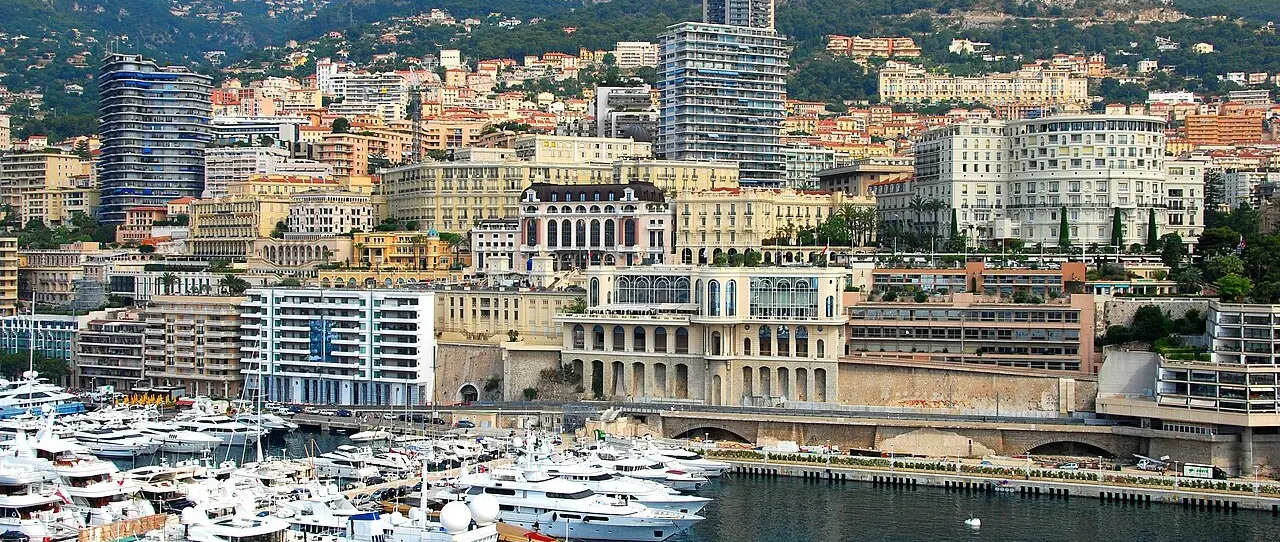
Archival contextual photograph of yachts in Monaco, where the industry interview was conducted; not an image of Hydro Tec personnel or a new yacht. Photographer: Mike McBey; CC BY 2.0 via Wikimedia Commons. Official source.
Explore
Go deeper into the yachts, companies, events and destinations directly connected to this article.
Continue reading
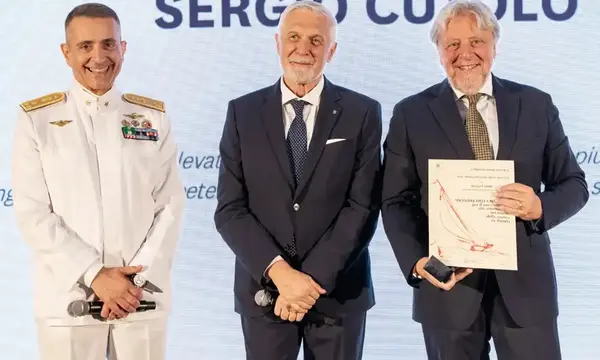
Hydro Tec founder Sergio Cutolo was recognised by Confindustria Nautica in June 2026 for four decades of naval architecture and explorer-yacht design.
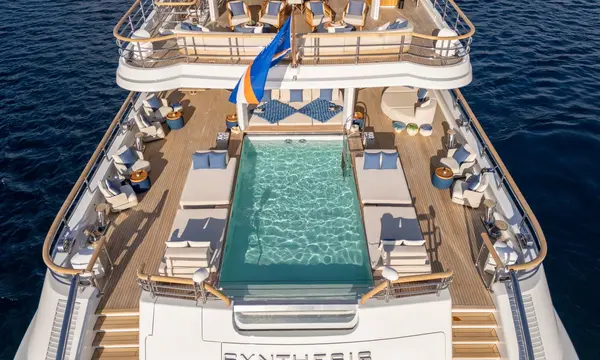
Burgess identifies a 74m Amels, 43m Codecasa and 36.6m Benetti among yachts offered for both sale and charter, inviting clients to experience life aboard …

IYC explains how buyers can compare yacht shows worldwide, select vessels worth inspecting and plan appointments around their real ownership needs, for.
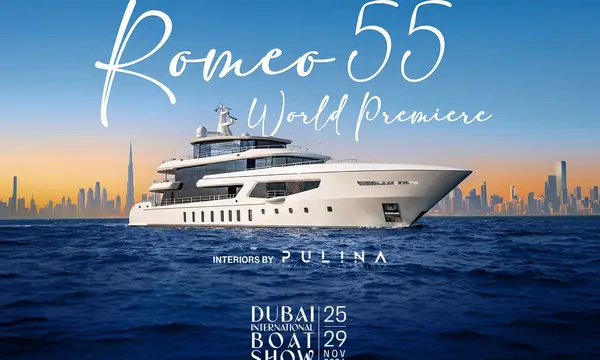
Romeo Marine has completed sea trials of its 55m Romeo 55 and plans a 25–29 November Dubai Harbour display, following earlier Monaco publicity.
Superyacht Guide
Continue into the wider Superyacht Guide.
Business opportunities · Superyacht Guide
Companies serving the superyacht market can discuss clearly identified advertising, sponsorship and business-profile opportunities. Commercial activity remains separate from independent editorial coverage.

