
IYC Explains How Yacht Buyers Should Choose International Boat Shows — licensed SYG News 26Nov batch04
IYC explains how buyers can compare yacht shows worldwide, select vessels worth inspecting and plan appointments around their real ownership needs, for.
IYC's guide to yacht shows in 2026 and 2027 sets out a practical distinction that is often overlooked by prospective owners: the most famous exhibition is not necessarily the most useful place to find the yacht they want. The brokerage compares major shows in Europe, the United States and other international markets, explaining how visitors can use an event to assess different vessel types, sizes and purchasing opportunities. For superyacht buyers, the underlying lesson is that a show visit should begin with a clear brief, a realistic understanding of costs and prearranged technical appointments, rather than the assumption that every yacht at a marina is genuinely available to purchase.
The main advantage of a yacht show is that many vessels and suppliers can be seen within a relatively short period. A buyer can compare layouts and design decisions without arranging separate journeys to different ports. That can reveal priorities that are difficult to establish from online galleries. For example, someone initially attracted to a dramatic exterior may discover that crew access and the arrangement of guest cabins matter more.
But the exhibition is an introduction rather than due diligence. Yachts may be there for charter promotion, new-model demonstration or private invitations rather than an immediate sale. Viewing arrangements vary and some yachts cannot be boarded without an appointment. An efficient visit therefore involves confirming why a particular vessel is present and what commercial opportunity, if any, it represents.
IYC describes the Cannes Yachting Festival as especially useful for buyers interested in production yachts, smaller and middle-sized motor yachts, and sailing vessels. Its September 2026 guide identifies the Vieux Port and Port Pierre Canto as significant exhibition areas serving different categories. A buyer looking at several types of boat may find this concentrated mixture valuable.
A model on show should not be mistaken for an identical future delivery. Builders can offer multiple engine choices, layouts or finishes, and the displayed yacht may include expensive options. Before comparing quotes, buyers should ask for a clear list of standard equipment and the price of the configuration they actually want. Otherwise, a striking exhibition example can create unrealistic expectations about a basic specification.
The Monaco Yacht Show is a familiar gathering point for large superyachts and companies serving that segment. It can help buyers understand custom construction, charter options and the capabilities of specialist designers, builders and service providers. A visitor considering a 50-metre vessel will usually have different questions from someone buying a 15-metre dayboat, so the commercial value of the two types of exhibition is not directly comparable.
Large-yacht visits may require security arrangements and advance coordination with a broker. A potential owner should develop a shortlist and confirm appointments before travelling. It is also sensible to distinguish between vessels being marketed for immediate sale and new-build concepts or designs that have not yet been contracted.
IYC includes the Fort Lauderdale International Boat Show among the major American events where buyers can examine substantial brokerage fleets. The show's waterways and multiple marina locations make planning important. Visitors may find different areas concentrating on larger superyachts, smaller yachts, equipment or services, depending on the edition and exhibitor arrangements.
The 2026 show took place from 28 October to 1 November and has already concluded. Its current relevance is as a model of how an American exhibition can bring builders, brokers and owners together. A past show program is not a live register of yachts still for sale. Any subsequent inspection should be arranged around a current listing and confirmed vessel location.
Miami's boat-show environment is another reference point in the international calendar. Its mixture of boat displays and marine-industry activity can help buyers examine a variety of options, although exact locations and formats can change between years. Clients should use the official organiser's current information rather than rely on a general travel article for their visit plan.
For buyers arriving from overseas, logistical preparation matters. Travel between separate venues can consume time, especially when appointments are tightly scheduled. A broker who knows the visitor's priorities can arrange an itinerary that preserves enough time for meaningful discussions instead of moving rapidly through yachts with little relevance.
Yacht shows in the Gulf allow owners and international businesses to discuss cruising, construction and services in a market with distinct climatic and operating conditions. IYC's guide includes international destinations outside Europe and North America, while its separate event listings identify Dubai Harbour as the location of the 25–29 November 2026 Dubai International Boat Show. That makes this guidance practically relevant during the current week.
However, a venue's regional importance does not mean every yacht presented there is suitable for every owner. A vessel intending to operate in high temperatures needs an appropriate cooling system and the right infrastructure. A purchaser planning to use the yacht in colder waters may have different requirements. Suitability should be assessed from the actual specification, not the exhibition location.
Someone buying a first yacht may benefit from viewing a range of sizes before deciding on a particular model. The responsibilities of ownership become more complex as vessels grow. Crewing, insurance, berthing, maintenance and regulatory obligations may be unfamiliar to someone whose previous boating experience involved a much smaller craft.
A yacht show can provide access to professional advisers, but a buyer should not assume that advice from a seller is independent. Obtaining a separate technical survey, legal guidance and a realistic operating budget can help prevent expensive misunderstandings. The goal of the first visits may simply be to establish what kind of yacht is appropriate.
An owner who has already operated a yacht may arrive with a detailed brief. They could be looking for additional guest accommodation, longer range, different tender storage or a greater degree of privacy. In that case, a general tour of a large exhibition may be less useful than a small number of carefully chosen appointments.
The brokerage's role can be to identify vessels whose actual configuration matches those needs. A model name alone may not be sufficient because custom options and refits can change a yacht substantially. Experienced buyers often gain most from obtaining up-to-date plans and technical details before boarding.
Length is one of the most visible characteristics in a yacht listing, yet it does not tell buyers how comfortable or practical a vessel will be. Beam, gross tonnage, number of decks, machinery arrangements and the allocation of space all influence onboard life. Two yachts of similar length can have significantly different crew and guest layouts.
A show visit allows buyers to examine those differences directly. They might test the ease of moving between decks, see the actual headroom and judge whether the exterior dining areas suit their group. But visual inspection should be supplemented by technical data and a proper survey, especially for pre-owned yachts.
Some visitors use shows not to find an existing yacht but to meet shipyards and designers for a future project. This is a different purchasing process from selecting a boat that already exists. A preliminary discussion may cover design preferences, size and budget, but a completed new-build contract requires substantially more detail about engineering, delivery, approvals and responsibilities.
A model, rendering or concept design should not be treated as a named commissioned yacht unless appropriate evidence exists. Buyers should distinguish an illustration of a yard's capability from a contracted project with a confirmed delivery plan. Large custom yachts require extensive work before a concept becomes a practical build specification.
A yacht's asking price is a starting point for a commercial discussion, not proof of the eventual transaction value. A vessel may be advertised in euros or dollars and could be subject to taxes, commercial terms or other conditions. Comparisons should be made on a consistent basis and should consider what is actually included.
A low asking price may reflect condition or the owner's circumstances, while a higher one may relate to recent upgrades or market positioning. Buyers need a survey and valuation suited to the specific yacht. Exhibition atmosphere should not encourage a decision based solely on a headline figure.
Superyacht ownership involves recurring expenses. Crew salaries, maintenance, fuel, insurance, berthing, classification and management can be significant. They vary with the size, age, programme and condition of the vessel. A generic annual percentage may be useful as a very rough conversation starter but is not a substitute for a detailed budget.
The buying process should include realistic scenarios for private use, charter activity if permitted, and periods of maintenance. Owners should also consider capital expenditure for refits and equipment renewal. A yacht that is affordable to purchase can still carry an unsuitable operating burden.
A boat-show listing may be prepared well before the event. By the time a buyer arrives, a yacht could have changed status, location or commercial terms. Even after the exhibition, a listing may remain online while negotiations proceed. Current availability should always be confirmed with the responsible broker or authorised representative.
The same principle applies to new-build production slots. A model presented at a show may have a waiting period or depend on future construction capacity. Neither the photograph nor the exhibition badge establishes a binding delivery date. Buyers should ask for documentary confirmation before arranging finance or travel around an assumed timetable.
At a show, the person introducing a yacht may be a builder, dealer, seller's broker or another commercial representative. Their roles and incentives may differ. A buyer should understand whom the representative acts for and what information they are authorised to provide. This is particularly important when deciding whether to seek independent advice.
Clear lines of responsibility can reduce disputes later. For example, a broker may help coordinate a transaction, while a surveyor evaluates condition and a lawyer advises on the contract. No single sales presentation can replace all these specialised functions. The buyer's interests are better protected when responsibilities are explicit.
A well-planned visit starts with the buyer's requirements and a shortlist. The broker can confirm which yachts can be viewed, where they are located and whether technical representatives will be available. This can save time in a show spread over several marinas and helps avoid disappointment when a desirable yacht is not open to unregistered visitors.
Buyers may also need time to discuss surveys, financing, ownership structure or operating regions. A schedule packed with brief visits often produces only impressions. Allowing time to ask detailed questions can reveal which vessels deserve serious further consideration.
Yacht-show marketing often uses polished imagery, but buyers should check that photographs show the actual vessel and its current configuration. A refit or earlier layout may make old material misleading even if it was accurate when first published. Specifications should identify changes, optional equipment and any differences between model and hull.
Claims about performance, range or environmentally friendly technologies should also be supported by evidence. Different operating conditions can affect results substantially. An independent professional can help assess whether a claimed benefit is relevant to the yacht and programme under consideration.
Attendance at a major exhibition can generate optimism, but it does not establish future prices, sales volumes or the financial health of every shipyard. An event can be busy while certain market segments face difficulties. A buyer should distinguish between anecdotal enthusiasm and reliable market data.
The brokerage guide helps readers choose appropriate venues, rather than predicting a guaranteed investment return. That is a useful distinction for owners who may be making decisions involving millions of euros and long-term operating commitments.
IYC published its guide on 9 September, and the events it describes span different points in the 2026–27 show calendar. With the Dubai show underway from 25 to 29 November, potential visitors may find the comparative approach useful. The relevant decision is not whether a particular event is prestigious but whether it is likely to offer the kind of vessels, specialists and conversations that match a buyer's requirements.
For superyacht owners, the most effective use of a boat show is to convert general interest into a more defined brief. A show can reveal options and connect people, but contracts, surveys, budgets and the realities of operation determine whether a yacht is suitable. The guide's enduring message is to select the event around the purchase rather than select the purchase around the event.
Primary source: IYC official 9 September 2026 international 2026–27 yacht show selection guide.
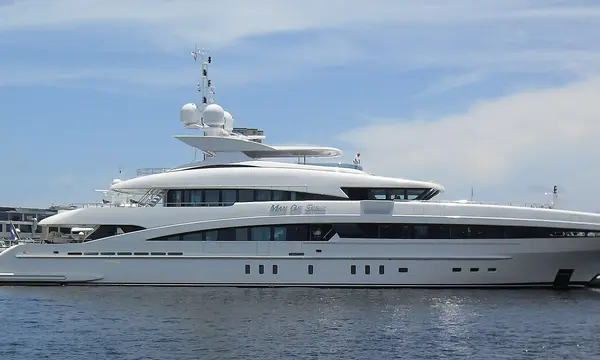
Licensed archival photo of Monaco Yacht Show or a yacht harbour, not a confirmed view of a yacht available for sale in November 2026. Photo: S.J. de Waard; CC BY-SA 3.0 via Wikimedia Commons. Official source.
Explore
Go deeper into the yachts, companies, events and destinations directly connected to this article.
Continue reading

Buying the yacht is only the beginning. The first 100 days turn a multimillion-euro acquisition into a functioning yacht operation, covering handover, crew, management, …

Superyacht Investor Miami will hold its one-day conference at the Fontainebleau Miami Beach on 16 November 2026, bringing together yacht brokers, shipyards, financiers, lawyers, …
IYC’s nine-month 2026 market review reports 675 yacht sales worth $7.3bn and fewer new listings, while separate BoatPRO statistics show a different picture for …
IYC reviews ten yachts from 31m to 47m exhibited at Fort Lauderdale 2026, including SEA CLASS, MYSTIQUE, HEEUS and CROSSED SABRE, for yacht owners …
Superyacht Guide
Continue into the wider Superyacht Guide.
Business opportunities · Superyacht Guide
Companies serving the superyacht market can discuss clearly identified advertising, sponsorship and business-profile opportunities. Commercial activity remains separate from independent editorial coverage.

