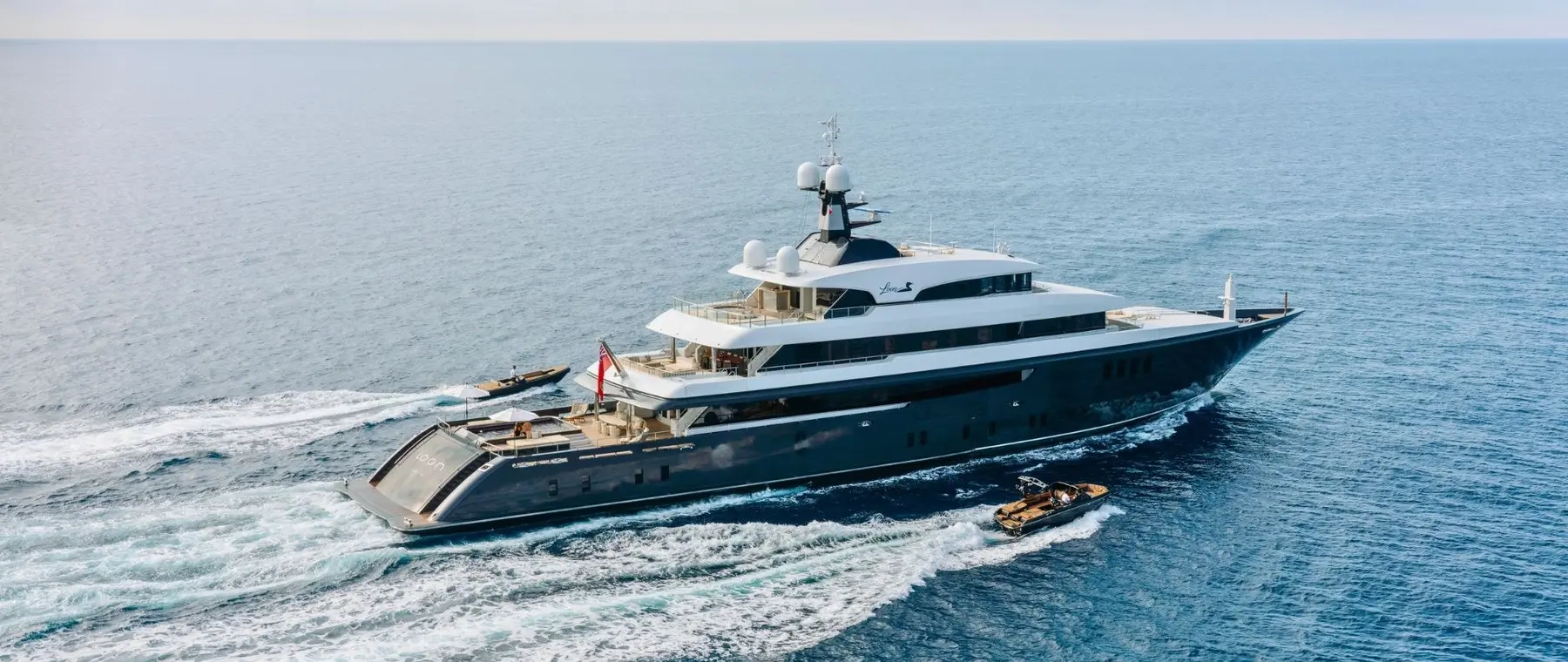
IYC’s nine-month 2026 market review reports 675 yacht sales worth $7.3bn and fewer new listings, while separate BoatPRO statistics show a different picture for the 24m-plus segment.
IYC has published its third-quarter 2026 yacht-sales analysis, reporting 675 yachts sold worldwide between January and September for a combined value of $7.3 billion. The brokerage says the number of sales fell nine per cent from the comparable nine-month period in 2025 and new listings entering the market declined by 20 per cent. These are figures from IYC’s reporting framework, and they must be attributed to that framework rather than presented as an uncontested count of every superyacht transaction.
For owners considering a sale, the distinction between value and transaction count is important. A market can record large aggregate values while fewer deals close, particularly where higher-priced yachts remain attractive. Equally, fewer new listings need not mean existing inventory has disappeared. IYC says the resale market has been relatively resilient even as new-build activity declined, making price, condition and the individual yacht’s suitability increasingly important to negotiations.
The IYC review places 44 per cent of its recorded January-to-September sales in the 24-to-30-metre range and another 32 per cent in the 30-to-40-metre range. Together, those bands account for more than three-quarters of the transactions in that report. The average length of yachts sold edged higher from 34.1 to 34.8 metres, about a two per cent change, suggesting that activity did not retreat uniformly across sizes.
For Superyacht Guide, the relevant observation is not that all smaller vessels are comparable to fully crewed long-range yachts. The financial, technical and operational demands change materially above 40 or 50 metres. A buyer reviewing the IYC percentages should also remember that they describe a proportion of sales, not an independently measured probability that an individual listed yacht will sell. Yacht-specific surveys, refit exposure and pricing remain decisive.
Europe accounted for 58 per cent of total sales in IYC’s nine-month figures, a five-percentage-point increase over the prior year. Italy was identified as the leading country by closing location, accounting for 30 per cent of transactions, while the United States accounted for 26 per cent. Those figures describe the geography of recorded closures, not necessarily an owner’s nationality, the yacht’s flag or where it will eventually be based.
The regional picture is useful for buyers trying to organise inspections and for sellers deciding how to present a yacht. Mediterranean yards, brokers and surveyors continue to operate within a dense network of services. However, a high share of closings does not establish that a specific marina has more available berths or that a particular jurisdiction is preferable for registration. Those decisions require separate legal, technical and commercial advice.
Denison Yachting’s separate October report, based on BOAT International’s BoatPRO data as of October 20, counted 126 transactions for yachts measuring 24 metres or longer during July to September, up 40 per cent from 90 in the same 2025 quarter. It put the first nine months at 416 such sales. Those numbers differ markedly from IYC’s 675 worldwide nine-month sales, which signals a difference in the populations or counting methodologies used.
The figures should not be subtracted from one another, combined into a growth rate or treated as interchangeable. A brokerage market survey can include different minimum lengths, new-build records, brokered completions and update dates. Neither article alone supplies every underlying record required to reconcile the datasets. The defensible conclusion is narrower: IYC sees a selective broader market, while the specific BoatPRO 24-metre-plus Q3 comparison shows a strong quarter against an unusually subdued prior-year baseline.
IYC describes active interest at September’s yachting exhibitions but cautions that busy pontoons have not yet translated into an immediate rise in completed deals. Larger yacht purchases can involve repeated inspections, engineering due diligence, ownership structuring, negotiations and surveys before either party commits. It is therefore premature to treat attendance or viewing requests as evidence that a particular sale is imminent. The final quarter will provide a better test of conversion.
For sellers, the implication is a disciplined process: accurate specifications, a documented maintenance history and transparent information about refits reduce uncertainty for serious buyers. For purchasers, haste is rarely a substitute for choosing a technically appropriate yacht. A competitive listing may not remain available indefinitely, but that commercial pressure should be managed by preparing advisors and survey teams early, rather than relaxing independent checks after a promising boat-show visit.
The most significant unknown is whether late-2026 enquiries will produce enough signed transactions to alter the year-end balance. IYC argues that attractive and realistically priced yachts can still attract attention, while vessels whose positioning ignores recent comparable sales may linger. That is a broker’s assessment of current behaviour, not a promise that any asking price will deliver a particular result. Market values also vary substantially with age, builder, operational condition and location.
A useful next step for any owner is to request recent genuinely comparable closings, distinguish disclosed asking prices from confidential transaction values, and investigate the cost of bringing a yacht to market. Buyers should ask which specifications are verified, how long relevant machinery has been in service and whether claimed upgrades are documented. The published statistics provide context for those discussions; they cannot replace the careful examination of an individual superyacht.
Primary reporting is based on the official report or broker yacht particulars. Consult the additional original source or independent market context for current equipment and commercial terms.
Explore
Go deeper into the yachts, companies, events and destinations directly connected to this article.
Continue reading
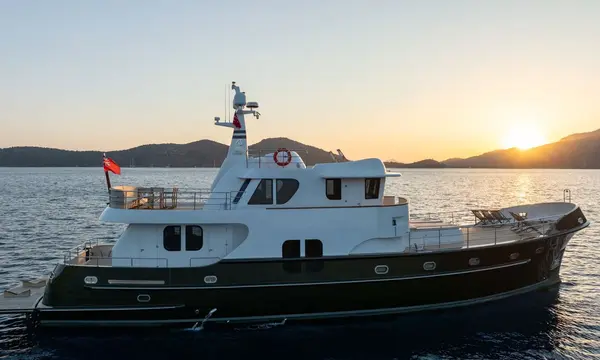
IYC has added the 26m Troy Marine explorer TROYWIZARD to its sales fleet, highlighting an 8,500nm range and exceptionally low engine hours.
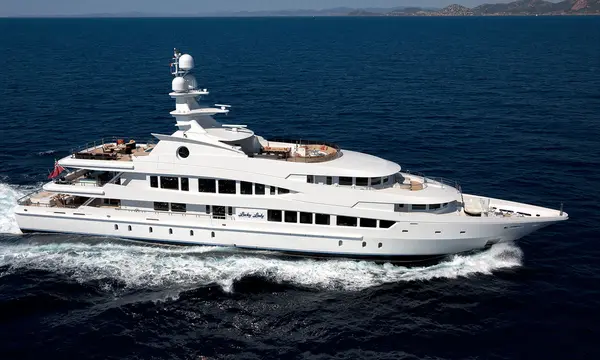
IYC has welcomed the 63m Oceanco LUCKY LADY to its global charter fleet, accommodating 11 guests in five cabins with a crew of 15.
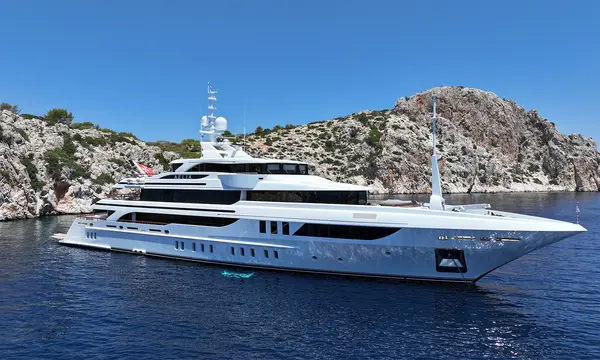
IYC has announced the sale of the 56m Benetti AELIA, with Michel Chryssicopoulos and Richard Gray representing the seller.
Autograph Yacht Group has announced the sale of the 40.9m Baglietto DOM133 ANDALA, representing the buyer in the transaction.
Superyacht Guide
Continue into the wider Superyacht Guide.
Business opportunities · Superyacht Guide
Companies serving the superyacht market can discuss clearly identified advertising, sponsorship and business-profile opportunities. Commercial activity remains separate from independent editorial coverage.