IGY Miami and Simpson Bay Managers Attain AMM Certification
By Superyacht Guide Newsroom · Edited by Superyacht Guide Newsroom
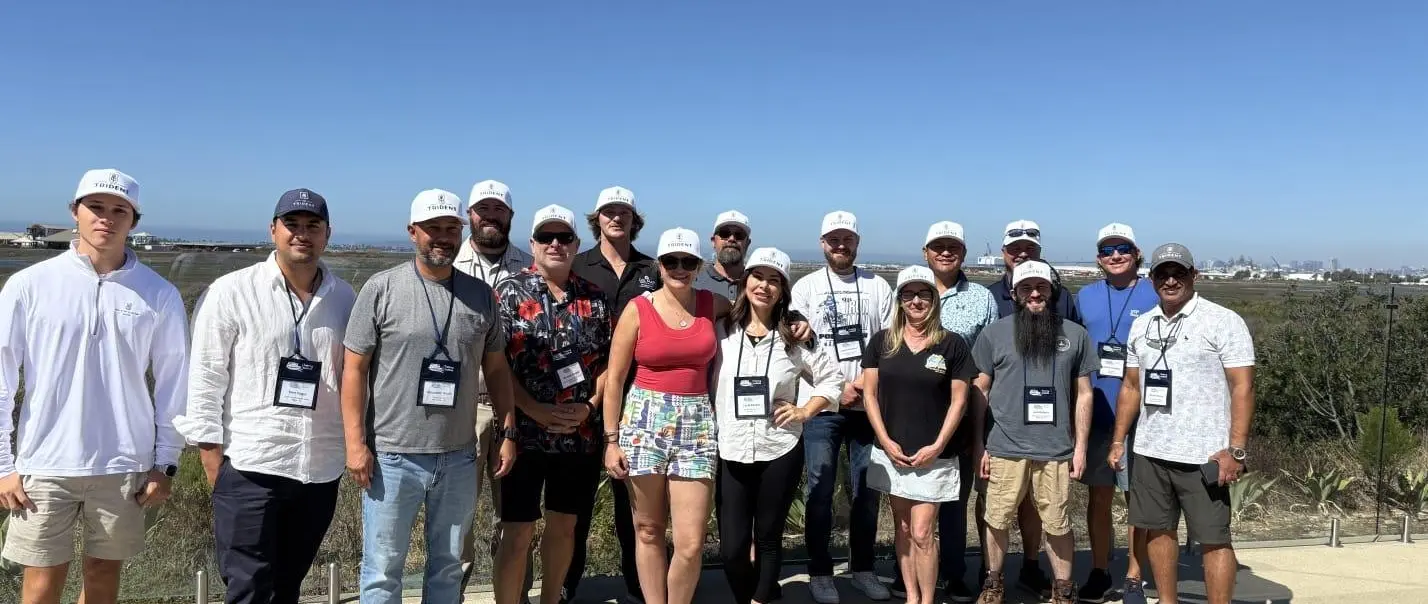
Advanced Marina Management training group — IGY official photograph
IGY reports that Mert Oygut and Rajesh Kurup completed Advanced Marina Management training in San Diego, strengthening leadership and operational expertise.
IGY Marinas has reported that Mert Oygut, general manager of Yacht Haven Grande Miami, and Rajesh Kurup, general manager of Simpson Bay Marina, completed the Advanced Marina Management course administered by the Association of Marina Industries in San Diego. The announcement of 9 November 2026 identifies the achievement as the last training step before applying for Certified Marina Management certification. It is a professional development milestone for the two managers, not an announcement that either has already received the subsequent CMM designation.
The relevance to the superyacht sector lies in the range of responsibilities that can fall within a marina manager's remit. A yacht's captain encounters the result of many decisions made by a shore organisation, from the allocation of a berth to the provision of accurate operational information. The physical characteristics of the facility are fundamental, but a marina must also manage its employees, equipment, suppliers and financial resources. Management education that addresses these functions together can help staff develop a more systematic approach to the activities that determine the quality of a visiting yacht's stay.
According to IGY, the course examines financial and strategic management, regulations, operations, marina law, risk management, loss control, and the delivery and pricing of services. It also considers policy and procedure manuals, benchmarking and marketing. The range is significant because the problems facing senior managers often cross the boundaries between these disciplines. A decision concerning the operation of a facility can create financial, staffing and regulatory consequences that would be missed if each question were addressed separately.
For example, the commercial decision to attract a particular class of yacht needs to be consistent with the facility's technical capabilities and the resources required to support the visit. Marketing cannot make a berth suitable for a vessel that exceeds its applicable limits. Equally, a technically appropriate berth needs to be operated in a financially sustainable way if the infrastructure and services are to be maintained. The useful contribution of a programme covering multiple subjects is that it encourages managers to consider these connections. Completion of training is not an independent guarantee of a marina's compliance or its suitability for a particular vessel.
The qualification is designed for established marina professionals. IGY says admission requires completion of the Intermediate Marina Management course and at least three years of relevant day-to-day management experience at a marina with 50 or more berths or gross annual revenue of at least $500,000. The experience must involve responsibility for operations, administration and financial performance. Those requirements distinguish the advanced programme from an introductory course for people who have not previously managed a facility.
Combining study with operating experience is valuable because managers can test new ideas against conditions they have encountered in practice. A participant who has already dealt with equipment failure, competing demands for berths or a difficult financial period brings context to a discussion of risk and strategy. Conversely, experience alone can produce habits that are difficult to examine without exposure to alternative methods. A course can provide a structured environment in which established practices are compared with the approaches taken by other businesses. The resulting qualification confirms participation and successful completion of that defined programme rather than certifying the holder's performance in every future management situation.
Oygut described the value of meeting people from marina businesses serving different types of vessels. Kurup similarly emphasised the opportunities to exchange experience and develop a network of colleagues. These observations are relevant because the international marina industry encompasses a wide range of operating models. A facility accommodating very large yachts can face demands that differ from those of a marina mainly serving sailing boats or smaller recreational craft, but the businesses still share important management challenges.
There is value in examining a technique developed outside one's usual operating environment. A practice concerning maintenance planning, communication or customer service may be adaptable even when the vessels and physical infrastructure differ. Other techniques cannot simply be transplanted. The volume of fuel, number of crew or logistics of moving a large yacht may require different procedures from those appropriate to a small vessel. An experienced manager must distinguish the general principle from the details of its application. The report of engagement with industry peers is therefore interesting as an account of continuing professional development, not evidence that a single operating method is suitable for every site.
A visiting captain's relationship with a marina often begins well before the yacht reaches the harbour. Information about berth availability, restrictions, services and the local arrival process may influence the captain's choice of itinerary. The quality of communication becomes especially important when several teams are preparing for the same visit. A discrepancy between reservations, operational staff and contractors can cause problems even when the underlying infrastructure is excellent.
Management practices can improve these interactions by ensuring that responsibilities and escalation routes are understood. Staff need access to current information and a means of seeking a senior decision when a request falls outside normal procedures. The captain benefits from knowing what has been confirmed, what remains conditional and who should be contacted if the vessel's schedule changes. A professional qualification may provide tools for organising those functions, but the actual experience depends on the procedures available at the site and the people implementing them. It is practical operating evidence, rather than the presence of a credential by itself, that will establish whether a marina consistently meets the needs of visiting vessels.
Risk management and environmental compliance form part of the advanced course described by IGY. For a superyacht marina, these subjects are not distinct from ordinary business decisions. Fuelling, waste collection, maintenance activities and movement of vessels can all have consequences for the marine environment and for people working at the site. Managers need to be aware of applicable requirements and the allocation of responsibilities among marina personnel, yacht crews and independent contractors.
A systematic approach might include maintaining accurate procedures, clearly documenting the services offered and ensuring that employees know when to stop and seek specialist advice. Monitoring recurring operational problems can also inform maintenance and training priorities. None of these measures eliminates the need for competent professionals or the specific obligations of yacht operators. A captain should still verify arrangements for the vessel's own activities, especially when a proposed service is unfamiliar or involves unusual conditions. IGY's announcement does not publish an environmental audit of either marina or quantify changes in incident rates. It describes investment in the skills needed for managing such responsibilities.
An international marina group can benefit from having managers who understand conditions at different sites and can draw on the experience of industry colleagues. Yacht itineraries often move between regions with different seasons, suppliers, weather patterns and local requirements. A contact with first-hand knowledge of another operating environment can help a manager identify questions that should be investigated before making a decision.
That does not mean that informal knowledge should replace formal procedures or accurate local information. The benefit of a professional network is often its ability to help a manager identify an appropriate authority or specialist, not its ability to provide a universal answer. Information about regulations, infrastructure and operating restrictions may also change. Managers should maintain access to current official guidance when they are advising their teams. Kurup's emphasis on maintaining connections with industry peers illustrates the value of learning that can continue after a course ends. For visiting captains, the value is ultimately seen in how effectively a marina communicates and coordinates its services.
IGY makes a distinction between the AMM achievement and the Certified Marina Management designation for which successful participants may subsequently apply. Recognising that distinction provides a more accurate account of what the two managers have achieved. Their completion of the advanced course adds a formal element to their professional experience; a further designation would depend on the applicable certification process. Neither a future award nor a specific subsequent appointment is announced in the release.
The development is a reminder that the superyacht industry's personnel requirements extend beyond the crew aboard the individual vessel. Shore-side professionals help maintain an environment in which yachts can arrive, remain and depart with appropriate services. Their ability to manage teams, resources, procedures and external relationships can be particularly important when circumstances change. Investment in those skills deserves attention alongside the opening of new berths or the installation of new equipment. The immediate news is clear: two IGY general managers have completed the Association of Marina Industries' advanced programme, and their employer intends that the experience will contribute to the management of its international marina operations.
Primary source: IGY Marinas official 9 November announcement.
Advanced Marina Management training group — IGY official photograph. Source: IGY Marinas official 9 November announcement. Official source.
Explore
Go deeper into the yachts, companies, events and destinations directly connected to this article.
Continue reading
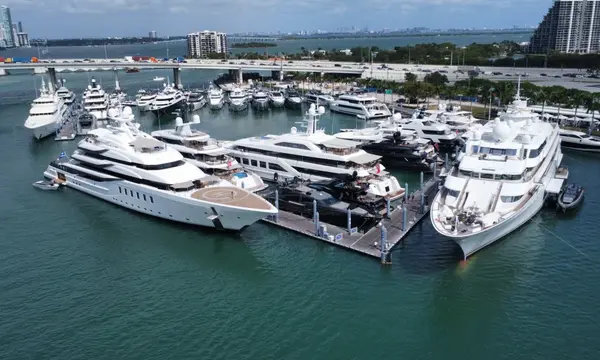
IGY reports new gym, yoga and crew facilities at Yacht Haven Grande Miami, complementing its in-slip refuelling capability for yachts up to 167.7 metres.
IGY Marinas has warned that the development of superyacht berthing and support infrastructure may not be keeping pace with the size and technical complexity …
IGY is coordinating berthing, hospitality and owner-and-crew support around Monaco, Fort Lauderdale and major Caribbean and Middle East yacht events.
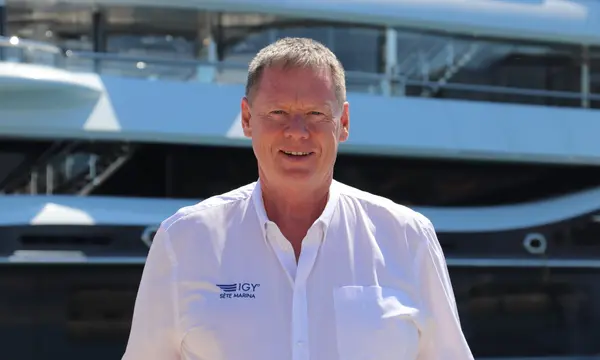
IGY Marinas has appointed Wayne Whitby as Shipyard Services Director, based at IGY Sète Marina, to expand refit, maintenance and technical support across its …
Superyacht Guide
Continue into the wider Superyacht Guide.
Business opportunities · Superyacht Guide
Companies serving the superyacht market can discuss clearly identified advertising, sponsorship and business-profile opportunities. Commercial activity remains separate from independent editorial coverage.
