IGY Warns Superyacht Marina Infrastructure Risks Falling Behind Fleet Growth
By Stephen Yardley · Edited by Stephen Yardley
IGY Marinas has warned that the development of superyacht berthing and support infrastructure may not be keeping pace with the size and technical complexity of the international fleet. Simon Bryan of IGY described a widening gap b
IGY Marinas has warned that the development of superyacht berthing and support infrastructure may not be keeping pace with the size and technical complexity of the international fleet. Simon Bryan of IGY described a widening gap between demand and the capability of shoreside operations, arguing that the challenge extends far beyond simply finding somewhere to tie up a vessel. His September 2026 assessment reflects the evolving role of specialist marinas as operational service centres.
Large-yacht captains increasingly require support with technical contractors, secure access, crew movements, logistics, waste handling, customs and guest transport. The physical berth remains important, but it is only one element in an operating environment that must accommodate vessels with sophisticated power, water and communications systems. A marina with attractive waterfront development cannot necessarily meet all those needs.
Berth suitability depends on draught, fairway width, turning space, approach conditions and the strength of mooring arrangements as well as published maximum length overall. Electrical shore-power requirements, freshwater availability and suitable waste reception also matter for extended visits. A marina may advertise berths for large yachts yet have limited capacity for the most demanding combinations of requirements.
Berth reservations should include confirmation of the precise dimensions and operational limitations of the vessel, particularly if the yacht has unusual overhangs or a complicated tender arrangement. Captains must also consider tide, current, weather limits and the availability of suitable harbour assistance. Any numerical berth capacity should be verified for the date in question rather than inferred from marketing descriptions.
Bryan argues that modern facilities are increasingly expected to operate as logistics hubs and interfaces for compliance, hospitality and security. Contractors may need controlled access and secure spaces for parts delivery, while crew may require reliable transport and administrative help. These functions require staff, systems and established procedures that cannot be installed as quickly as a floating pontoon.
A complex refit remains the work of an appropriately equipped shipyard, but routine technical visits can be efficiently organised from a marina berth when local rules allow. Operators should specify what work may be undertaken alongside, how hot work is controlled and what environmental precautions apply. Failure to clarify these matters can create costly conflicts between yacht and marina personnel.
Facilities serving superyachts need people who understand unusual vessel sizes and the expectations of professional deck and engineering departments. Staff must be able to coordinate emergencies and handle the practical details of customs and security without compromising port regulations. Training and retention can consequently become as important as expensive fixed infrastructure.
High demand during popular cruising months creates pressure on even well-managed facilities. Shore teams may face simultaneous guest arrivals, yacht provisioning and contractor movements, requiring prioritisation and clear lines of responsibility. An owner should not assume that every service advertised can be delivered without advance notice during peak periods.
Marina managers face increasing scrutiny concerning waste reception, emissions, shore electricity, harbour water quality and disturbance to neighbouring communities. Providing suitable infrastructure requires investment while operational rules can differ between jurisdictions. Environmental improvements should be measured through use and performance, rather than only by the presence of a visible new installation.
Large yachts may also have unusual waste streams or high-power connections requiring advance coordination. Clear documentation and a cooperative relationship with the port authority can reduce delays and prevent environmental incidents. Captains retain their own responsibilities even where a marina provides specialised facilities.
IGY Marinas operates and participates in marina businesses serving larger yachts in several regions, giving the company exposure to different approaches to port management. Its assessment is a commercial perspective informed by that business model, rather than an independent statistical measure of the global shortage of suitable berths. Different destinations may face very different levels of capacity pressure.
Continued yacht growth creates opportunities for berth operators, refit businesses, chandlers and logistics specialists, but only where infrastructure can support the actual vessel requirements. A high-quality berth may lose commercial appeal if essential shore services cannot be coordinated reliably.
Future progress should be judged through suitable berth availability, quality of technical utilities, service response times, investment delivered and the experiences of professional crews. Announcements of marina projects may indicate future supply, but permitting, construction and commissioning schedules require separate verification. The same distinction applies between a signed operating agreement and an operational facility.
For yacht owners and managers, Bryan's warning reinforces the need to evaluate a destination's complete operating environment before committing to a long visit. The infrastructure behind a superyacht itinerary is increasingly complex, and its reliability can be as important as the scenery outside the windows.
Explore
Go deeper into the yachts, companies, events and destinations directly connected to this article.
Continue reading
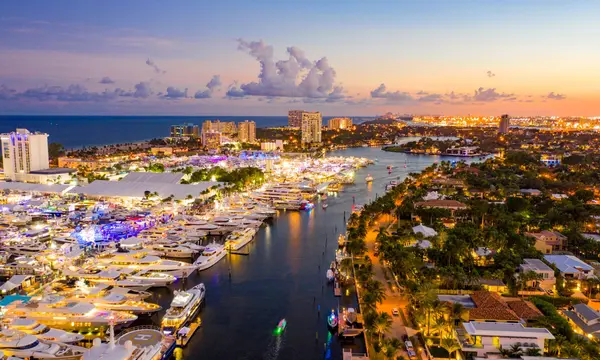
IGY is coordinating berthing, hospitality and owner-and-crew support around Monaco, Fort Lauderdale and major Caribbean and Middle East yacht events.
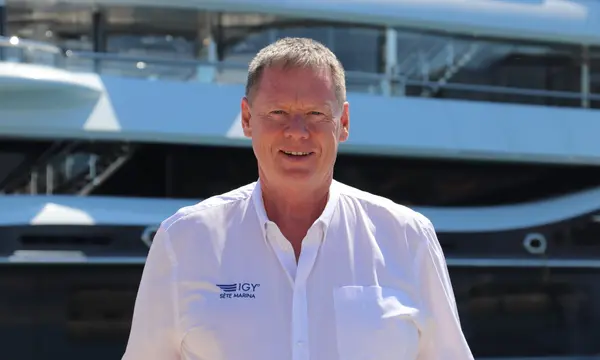
IGY Marinas has appointed Wayne Whitby as Shipyard Services Director, based at IGY Sète Marina, to expand refit, maintenance and technical support across its …
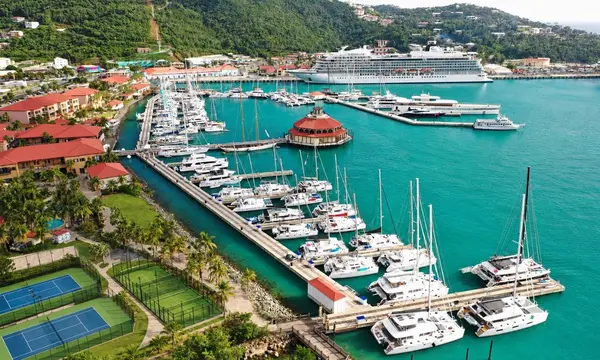
IGY Marinas has opened a new racquet and pool club at Yacht Haven Grande in St. Thomas and expanded its Harbor360 waterfront event space.
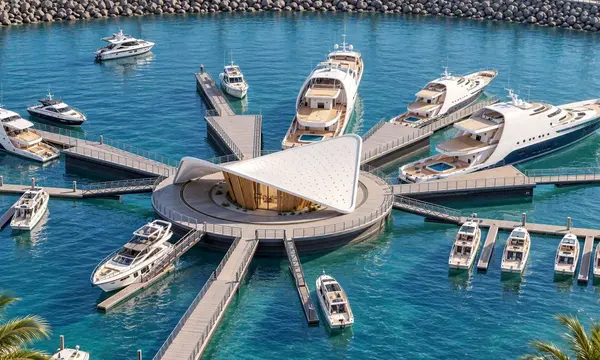
Wynn Al Marjan Island has detailed a new 98-berth marina in Ras Al Khaimah designed for yachts up to 85 metres, with operations to …
Superyacht Guide
Continue into the wider Superyacht Guide.
Business opportunities · Superyacht Guide
Companies serving the superyacht market can discuss clearly identified advertising, sponsorship and business-profile opportunities. Commercial activity remains separate from independent editorial coverage.