Superyacht Marinas with 100m+ Berths
A de-duplicated guide to marinas with verified 100m-plus yacht capacity, from Porto Montenegro and St Thomas to Barcelona, Monaco and Malta.
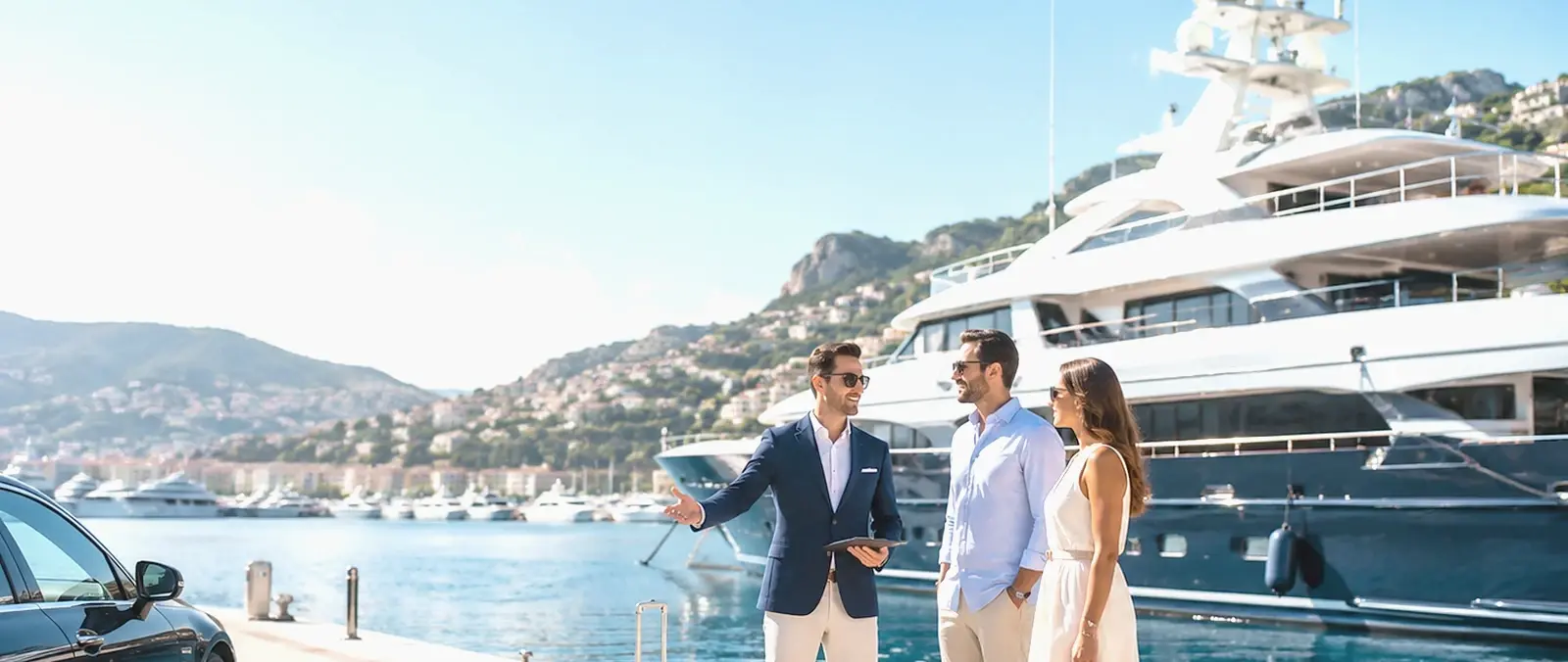
Europe’s largest superyacht marinas are ranked by verified maximum yacht length, with historical duplicate records removed and operator data checked.
Europe has thousands of yacht berths, but the useful measure for a superyacht is not the total number of pontoons. This ranking focuses on the maximum yacht length that the marina can accommodate, checked against current Superyacht Guide records and, for the leading facilities, current operator information. Historical duplicate marina records have been de-duplicated so one physical marina is counted once.
Maximum LOA is still not a guarantee that any yacht of that length can arrive on any date. Beam, draft, berth configuration, local manoeuvring limits, shore-power demand and the availability of the particular large-yacht berth all matter. Captains should treat the figure as a capacity indicator and confirm the exact berth with marina operations.
The ranking also separates marinas from shipyards where possible. Some facilities combine berthing and refit infrastructure, but the purpose here is to identify European destinations that can host very large yachts alongside, not to rank dry docks or construction yards.
Porto Montenegro sits at the top of the current SYG European dataset with capacity stated at 250 metres, reflecting the scale of Boka Bay and the marina’s deliberate superyacht positioning. Marina Port Vell follows with an official maximum LOA of 190 metres and 73 berths in central Barcelona, while Marina Port Tarraco publishes berths from 45 to 160 metres and more than nine metres average draft.
Port Vauban in Antibes remains strategically important because capacity is paired with one of the Mediterranean’s deepest concentrations of crew, brokers, contractors and service companies. Cannes, Yalıkavak, Šibenik, Palma, Malta, Genoa and Monaco then form a broad second tier of facilities capable of accommodating yachts well above 100 metres.
The exact order below the first few positions should not be interpreted as a quality score. A 130-metre marina can be operationally better for a 70-metre yacht than a 190-metre marina depending on location, security, crew requirements, airport access and the owner’s cruising programme.
Marina Port Tarraco is a good example of why length alone does not tell the whole story. The operator publishes more than nine metres average draft, electrical connections up to 1,600 amps at 400V and a 6,600V connection for giga yachts. Those technical details can be decisive for a large yacht that would otherwise fit several marinas by length.
Marina Port Vell publishes a 10-metre draft and a maximum dock length of 400 metres, while Port Hercule has very deep water in parts of the outer harbour even though the inner basins vary considerably. A captain therefore needs the berth-specific approach and depth information rather than a generic marina maximum.
Shore power, black- and grey-water handling, fuel access, waste services, ISPS security and heavy-delivery logistics also become more demanding as yacht size increases. A marina designed around 30-metre yachts may technically accept a larger visitor but still be less convenient than a purpose-built superyacht facility.
The largest marina is not automatically the most useful one. Barcelona and Tarragona appeal to yachts combining wintering, city access and Spanish refit support; Antibes and Cannes sit directly inside the Riviera season; Monaco serves a unique owner and event market; Malta offers a central Mediterranean base with adjacent refit capability; and Montenegro places very large yachts close to Adriatic cruising.
Airport access and crew life matter during long stays. Marina Genova, for example, combines 130-metre capability with proximity to Genoa airport and a broad refit ecosystem, while Barcelona gives crews and contractors direct access to a major city. For wintering, those practical factors can outweigh an extra 20 or 30 metres of theoretical berth capacity.
Event demand can also remove the largest berths from normal circulation. Monaco Grand Prix periods, Cannes events and peak summer weeks require early planning, and the marina may allocate berths according to operational priorities rather than simple first-come booking.
Owners should begin with the yacht’s actual LOA, beam, operating draft and shore-power requirements, then shortlist marinas with a comfortable margin rather than choosing a berth at the absolute published limit. The next filter is the programme: home port, winter base, refit staging point or short seasonal stop.
For yachts above 100 metres, direct confirmation becomes essential because only a limited number of berths may physically accommodate the vessel even when the marina advertises a higher maximum LOA. Tugs, pilots, wind limits and harbour-master approval may also affect arrival and departure windows.
The table is therefore best read as a capacity map of Europe’s large-yacht infrastructure on 10 September 2026. It shows where very large yachts can potentially berth, while the final operational decision remains berth-specific and should always be confirmed with the marina and harbour authority.
Capacity also changes over time as concessions are renewed, pontoons are reconfigured and new large-yacht infrastructure opens. That is why this ranking is dated rather than presented as permanent: a marina that can accept 120 metres today may expand, reduce or reassign its largest berth, while a newly redeveloped harbour can enter the table quickly. Superyacht Guide will treat operator specifications and verified marina records as the controlling evidence when future updates are made, and obvious historical duplicate pages are excluded from the physical-marina count.
Continue reading
A de-duplicated guide to marinas with verified 100m-plus yacht capacity, from Porto Montenegro and St Thomas to Barcelona, Monaco and Malta.
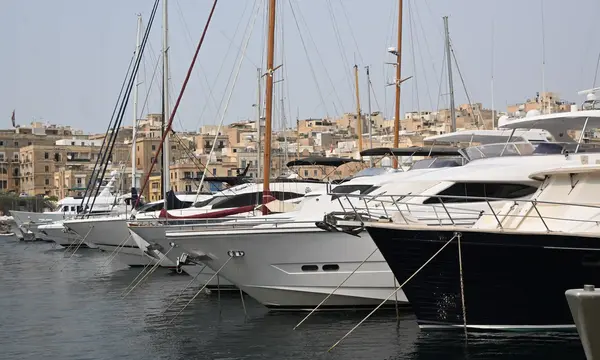
Malta combines large-yacht berthing with refit infrastructure and central Mediterranean access. We compare Grand Harbour, Marsamxett and Gozo options.
The strongest Caribbean marinas for large yachts combine berth capacity with depth, fuel, security, customs, provisioning and practical seasonal location.
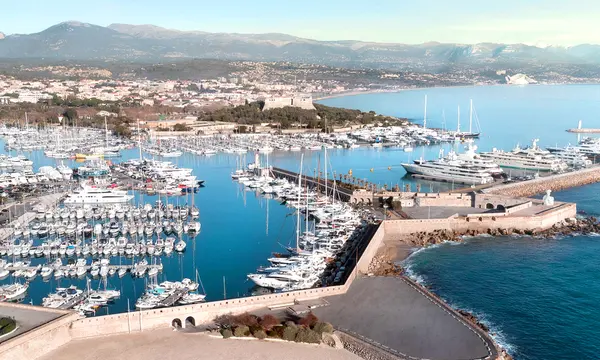
Antibes remains one of the Mediterranean's most practical superyacht bases, led by Port Vauban and the IYCA's capacity for yachts up to 160 metres. …
Superyacht Guide
Continue into the wider Superyacht Guide.