
Frigomar Introduces 210,000 BTU CU210 Yacht Chiller
Frigomar has introduced its CU210VFDT chiller with 210,000 BTU/h capacity, a titanium seawater exchanger and the same compact dimensions as its 180,000 BTU unit.
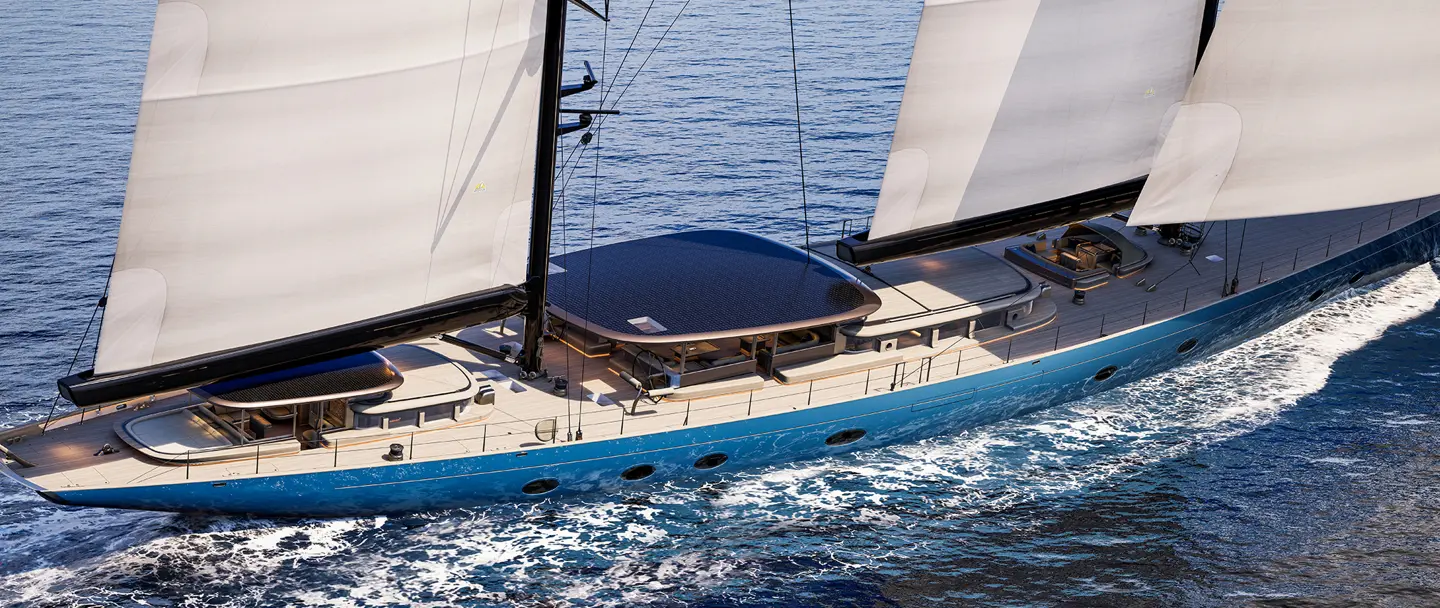
Image: Lloyd's Register / official
Lloyd’s Register has published a Project Zero case study detailing how Vitters, Vripack and Dykstra approached a sailing yacht designed to operate without fossil fuels.
Lloyd’s Register has published a detailed case study on sailing yacht Zero, documenting the engineering approach behind a project intended to operate without fossil fuels. Developed with Vripack, Dykstra Naval Architects, Vitters Shipyard and a wider specialist team, the programme treats the yacht as a single integrated energy system.
According to Lloyd’s Register, more than 60,000 hours of research and development were completed before construction began, with existing vessels used as testbeds for concepts and operational data. The work combined naval architecture, yacht design, batteries, thermodynamics, systems engineering, digital tools and computational fluid dynamics.
Vripack led exterior and interior design together with thermodynamic modelling and energy concepts, while Vitters contributed construction and prototyping experience. Dykstra Naval Architects supported naval architecture and hydrogeneration, giving the project a multidisciplinary structure rather than treating propulsion, hotel loads and renewable generation as separate problems.
Project Zero explored solar photovoltaic generation, solar heat collection, waste-heat recovery and hydrogeneration while sailing through reversible pod-based propulsion. The hull, appendages and sail plan were also optimised so the yacht’s physical design could contribute to energy generation and reduced consumption rather than merely housing technical equipment.
Lloyd’s Register certified the sailing rig as the vessel’s primary propulsion system, an unusual approach because auxiliary engines are normally treated as primary propulsion for classification purposes. That decision reflects how central wind power is to the project’s operating concept rather than presenting sailing as a secondary efficiency measure.
The project’s modelling found that heating and cooling represented about 47 percent of total onboard energy demand, prompting detailed investigation into insulation, glazing, ventilation and heat recovery. Measures considered included vacuum glazing, cork deck insulation, heat-reflective coatings, passive cooling, thermal loops and adsorption chillers.
This emphasis shows why fossil-free yacht operation cannot be addressed only by replacing an engine or adding battery capacity. Guest comfort, hotel services and environmental control can consume a large share of available energy, so reducing those loads changes the size and operating demands of the entire generation and storage system.
Battery design was based on operating scenarios and autonomy requirements, with attention to energy density, cooling, ventilation, stability and thermal-runaway mitigation. A thermodynamic model simulated energy flows before installation, while real-time monitoring and voyage-energy forecasting were developed to help crew understand production and consumption during operation.
The project team intends to share innovations and operating data through the Foundation Zero platform so lessons can extend beyond a single yacht. Lloyd’s Register describes the launched vessel as the start of the most important validation phase, where modelling and design assumptions can now be tested against real conditions at sea.
Official sources: www.lr.org.
Continue reading
Frigomar has introduced its CU210VFDT chiller with 210,000 BTU/h capacity, a titanium seawater exchanger and the same compact dimensions as its 180,000 BTU unit.
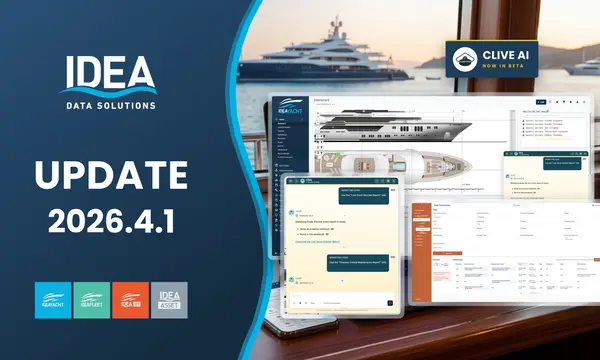
IDEA Data Solutions details release 2026.4.1 for yacht operations, including limited CLIVE AI testing and improvements to purchasing, maintenance and fleet views.
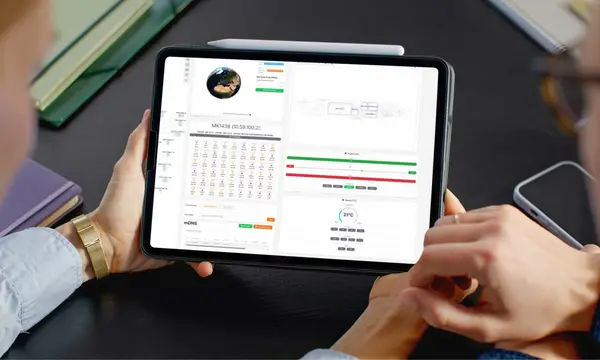
Videoworks explains AVIT Panel, an overlay system that connects existing onboard digital equipment to configurable views for captains and technical teams.
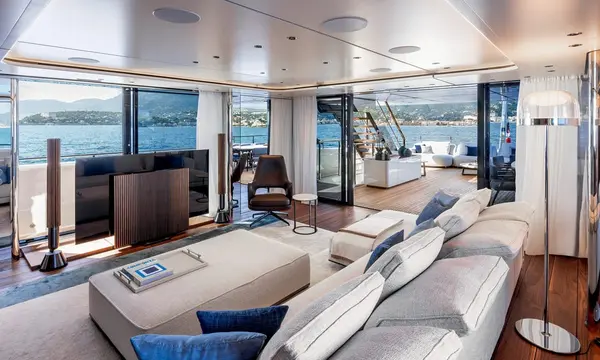
Videoworks explains its bespoke Bang & Olufsen systems on two Custom Line superyachts, naming the hardware used and the integration work carried out.
Superyacht Guide
Continue into the wider Superyacht Guide.
Business opportunities · Superyacht Guide
Companies serving the superyacht market can discuss clearly identified advertising, sponsorship and business-profile opportunities. Commercial activity remains separate from independent editorial coverage.