Ernströmgruppen Agrees to Buy 70% of Marine Supplier Lopolight
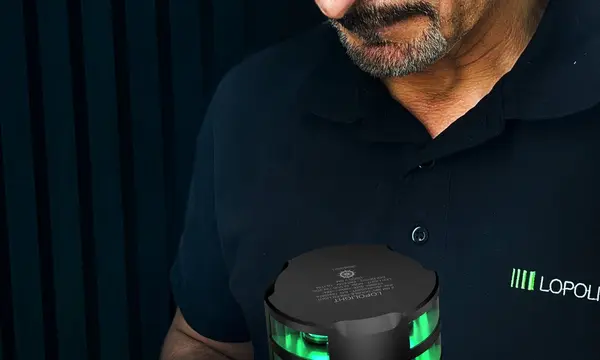
Ernströmgruppen agrees to acquire 70% of Danish marine LED navigation lighting supplier Lopolight, subject to approval, while founders and management retain 30%.
McIntyre Marine and Metec Arrange Direct-to-Yard Yacht Anode Supply — SYG 25 Nov 2026 News batch 06
McIntyre Marine Inspections is working with Metec Cathodic Protection on technical selection and direct-to-yard delivery of zinc, aluminium and bespoke anodes for yachts.
McIntyre Marine Inspections has outlined a partnership with Metec Cathodic Protection to supply galvanic anodes directly to yacht owners, refit specialists and new-build yards. The arrangement was highlighted in marine trade reporting in November 2026 and is described on McIntyre's own service website. The focus is deliberately practical: select the correct anodes for an individual vessel before a yard period, arrange the order and deliver the items to the shipyard at the appropriate time. It is a supply and technical-support development, not a new yacht launch.
Anodes are a small element of a superyacht's total engineering inventory, yet getting the specification and delivery right can avoid disruption to a haul-out. They form part of a vessel's corrosion protection strategy, especially where underwater metal components and associated systems operate in seawater. The partnership should not be interpreted as a universal recommendation to use one anode material on every yacht. Selection depends on the hull, the immersed equipment, the electrical arrangements and the assessment of competent specialists.
Sacrificial anodes are designed to corrode preferentially so that vulnerable metal components in a cathodic protection system receive protection under appropriate conditions. They are widely associated with underwater structures and marine machinery, including hull fittings, rudders, shafts and other components. A correctly designed system depends on electrical continuity and the surrounding environment. It cannot be assessed simply by looking at the colour or size of an anode.
Anodes may use zinc, aluminium or other suitable materials, depending on the application and operating conditions. Material choice and placement matter because different alloys behave differently in fresh, brackish and salt water. Using an inappropriate item may reduce effectiveness and create new maintenance problems. McIntyre's stated service includes identifying suitable components and obtaining technical assistance from Metec. That is a more useful proposition than merely offering a catalogue of generic parts.
The company says its service begins by identifying the correct anodes for the specific yacht and intended work. That requires attention to the vessel's existing fittings, operating environment and any known changes to the electrical or bonding arrangement. A replacement that appears physically similar to the removed component may not always have identical material or performance characteristics. Technical records and advice can therefore be valuable, especially for yachts that operate in different regions.
McIntyre lists zinc and aluminium hull anodes, with weld-on, bolt-on and disc formats, as well as bespoke units where needed. These options reflect the diversity of marine installations. A particular mounting method must be suitable for the structure and approved work procedure. The supply announcement does not give an exhaustive application table or claim that a specific alloy is correct for every construction material. Owners should continue to use engineering guidance applicable to their vessel.
Shipyard periods are often scheduled around narrow availability windows. A superyacht may need to be lifted, cleaned, inspected and returned to service within an agreed programme. If an underwater component is unavailable at the critical moment, the vessel may occupy valuable dock space while waiting for delivery. The McIntyre and Metec arrangement aims to reduce this risk by organising anode selection and procurement before the yacht arrives for the work.
Advance planning also helps when a yacht has non-standard fittings or requires bespoke anodes. The supplier may need adequate time to verify drawings, material and mounting arrangements. A direct-to-yard delivery model can reduce the need for the crew to carry bulky spares or coordinate multiple shipments. The company describes these logistical benefits in its service material, but does not publish guaranteed delivery times for every jurisdiction. Actual availability should always be confirmed when ordering.
Metec Cathodic Protection is identified as the specialist supplying technical expertise and anode products through the relationship. For an owner, the relevant benefit may be access to informed component selection rather than simply another purchasing channel. The supplier's recommendations should still be assessed against the existing system and, where appropriate, the yacht's class or builder documentation.
Cathodic protection is part of a larger corrosion management programme. Coating condition, stray currents, bonding continuity and the installation of shore-power systems can all affect the protection strategy. Replacing anodes without considering those factors may fail to address the root cause of accelerated metal loss. A professional inspection may be needed when corrosion appears unusual. McIntyre's broader engineering support service may be relevant in such circumstances, but the partnership announcement does not document any specific yacht's corrosion problem or repair outcome.
McIntyre describes its work as including marine problem-solving, refit and dry-dock assistance, equipment assessment and crew support. Its website lists engineers, carpenters, electrical commissioning personnel, audiovisual and information-technology specialists, software engineers and tender engineers among the disciplines that may be engaged. The company presents a fly-in or fly-out arrangement intended to provide additional help without requiring space for the team aboard the yacht.
These services can be useful when a captain or chief engineer is managing a long list of jobs under time pressure. Yet not every provider will be qualified for every regulated task, and owners should verify competence, insurance and any required approvals for the specific work. The company description is an outline of services, not a formal certification of all possible repairs. Its relevance to the anode partnership is that it places product delivery within the wider realities of a refit schedule.
The most effective time to discuss anode requirements may be before the yacht enters dry dock. The maintenance team can review previous consumption, survey reports and expected work on underwater fittings. An appropriate order can then be created with correct materials, quantities and installation details. If the yacht is moving between different water environments, the review may need to consider whether the existing protection strategy remains suitable.
Coordination among the owner, captain, yard and supplier can also clarify who is responsible for inspecting and approving the work once the vessel is hauled out. There is a difference between purchasing a component and confirming that it has been properly installed. The November supply announcement does not transfer technical or legal responsibility automatically to either company. Customers should document the agreed scope and verify the relevant obligations during project planning.
McIntyre's website also describes a separate service involving the specification, installation and training for onboard three-dimensional printing. The company says it can help crews manufacture certain practical replacement items and prototypes on board, including small brackets and fittings. This is adjacent to its refit-support work but not part of the cathodic-protection supply relationship itself. The two services illustrate how a technical support provider may combine traditional marine maintenance with newer fabrication methods.
Three-dimensional printing has limitations that become particularly important aboard a yacht. A part suitable for a cabinet or non-critical fitting is not necessarily safe for high loads, fire-related applications or regulated machinery. Material compatibility, dimensions and quality control have to be considered. Owners should not infer that printed parts can replace certified safety equipment merely because printers are available aboard. This distinction helps avoid overstating the scope of McIntyre's broader service list.
A large yacht's out-of-water time can involve significant costs from dock fees, specialist labour, travel, cranes and machinery shutdowns. Delay caused by missing parts may have consequences beyond the price of the components themselves. Anodes tend to be modest-cost items relative to major engineering equipment, which makes poor procurement particularly frustrating if it disrupts a critical project. The purpose of direct-to-yard supply is to align a relatively simple task with the larger programme.
No published figures establish how much money or time a particular yacht will save through the partnership. Those outcomes depend on the vessel's requirements, local stock, transport and yard planning. It would be misleading to advertise a universal percentage reduction in cost or time. The useful claim is narrower: advance specification and coordinated delivery can make maintenance easier to organise. Actual effectiveness should be judged against orders completed and customer feedback.
Metec anodes supplied through the relationship may be relevant to existing yachts undergoing scheduled maintenance and to new-build projects where cathodic protection is incorporated during design. The two situations are different. In a refit, the engineering team may be working with the vessel's recorded installations and historical wear patterns. In a new build, protection requirements can be established in coordination with hull design and machinery specifications before launch.
The company's offer to yards does not identify a signed contract with a particular superyacht builder. Nor does it provide a total annual volume of anode orders. Such figures should remain unavailable rather than be estimated from the size of the wider marine industry. The genuine development is the commercial and technical supply route joining an inspection and support provider to a specialist anode manufacturer for yacht-related work.
McIntyre's official service description confirms that it works with Metec Cathodic Protection to source zinc, aluminium and bespoke anodes, organise advance orders and arrange delivery directly to the yard. November 2026 trade coverage brought this relationship to attention as an option for yacht owners and refit teams. The arrangement is relevant because it addresses a common coordination problem during technical maintenance rather than introducing an unproven grand claim about yacht technology.
Superyacht owners considering similar services should confirm material suitability, drawings, availability and responsibilities before the yard period begins. Future evidence about orders or service improvements may help demonstrate outcomes, but no specific yacht's performance can yet be inferred from the partnership announcement. For now, the story illustrates the practical value of combining specialist product knowledge with refit logistics and engineering support.
**Sources:** McIntyre Marine Inspections' official refit-support service description; Yachting Pages report on its Metec partnership published in November 2026.
Primary source: Yachting Pages marine-trade notice of McIntyre–Metec cooperation in November 2026.
Further information: McIntyre Marine Inspections first-party technical supply/service description.
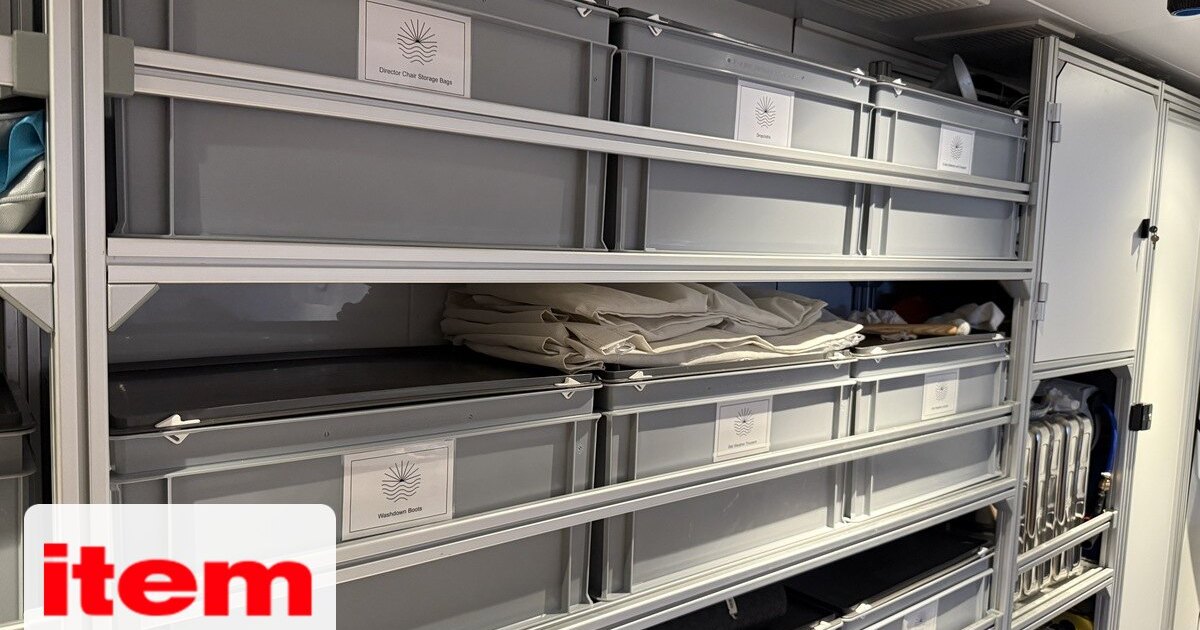
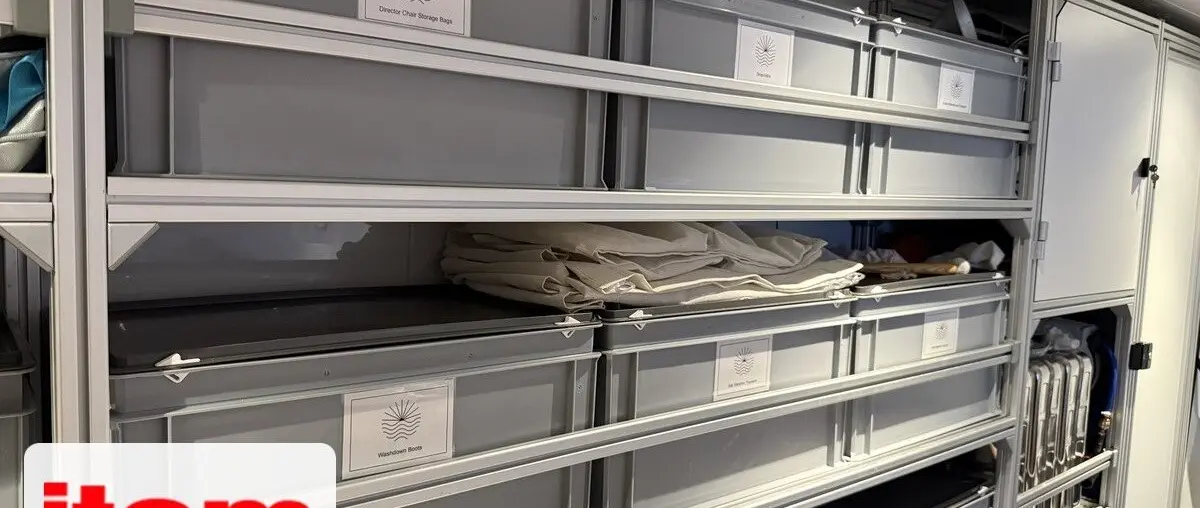
McIntyre Marine Inspections official service photograph from its website, illustrating refit support and anode procurement; © McIntyre Marine and original photographer. Official source.
Continue reading
Ernströmgruppen agrees to acquire 70% of Danish marine LED navigation lighting supplier Lopolight, subject to approval, while founders and management retain 30%.
The Italian Sea Group board approves the next steps for SRI Global’s €220m restructuring proposal, with a separate €275m escrow condition and court approval …
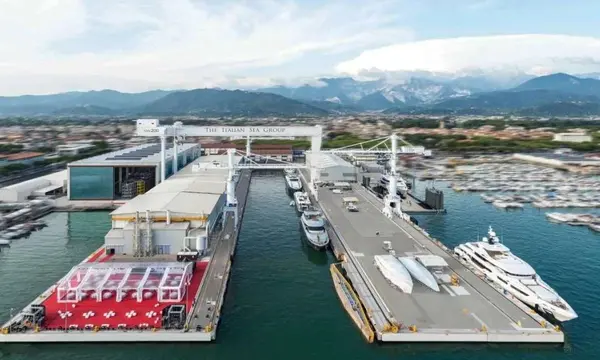
Palumbo Group says it is stepping back from the TISG acquisition process after the group’s board decisions, while the status of its earlier urgent …
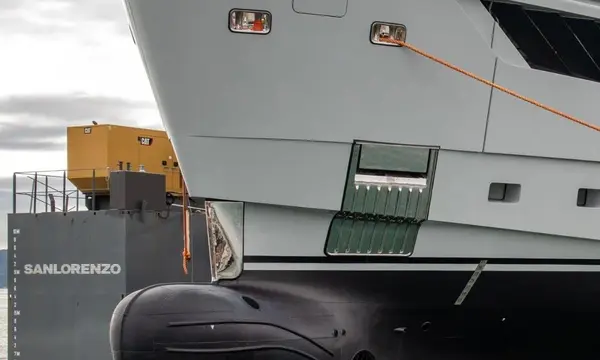
Sanlorenzo appoints former Wally sales executive Viola Borghi to lead its programme management office from 23 November 2026, reporting directly to CEO Vincenzi.
Superyacht Guide
Continue into the wider Superyacht Guide.
Business opportunities · Superyacht Guide
Companies serving the superyacht market can discuss clearly identified advertising, sponsorship and business-profile opportunities. Commercial activity remains separate from independent editorial coverage.